29 Oct 2026
29 Oct 2026
Meet the People of WISE Networking Days 2026: Advancing Sustainable Aerospace Through Materials Innovation
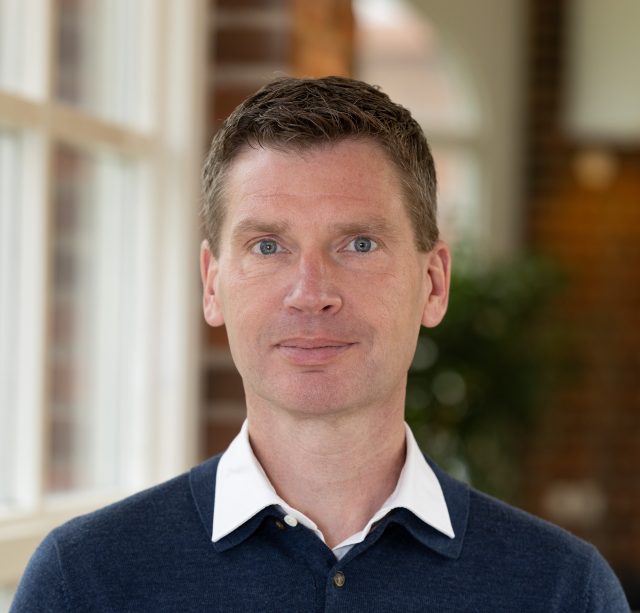
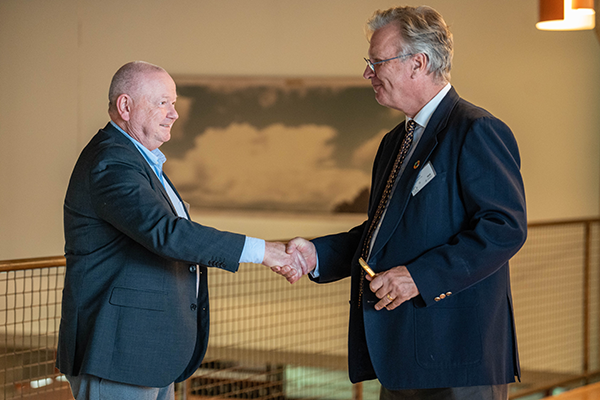
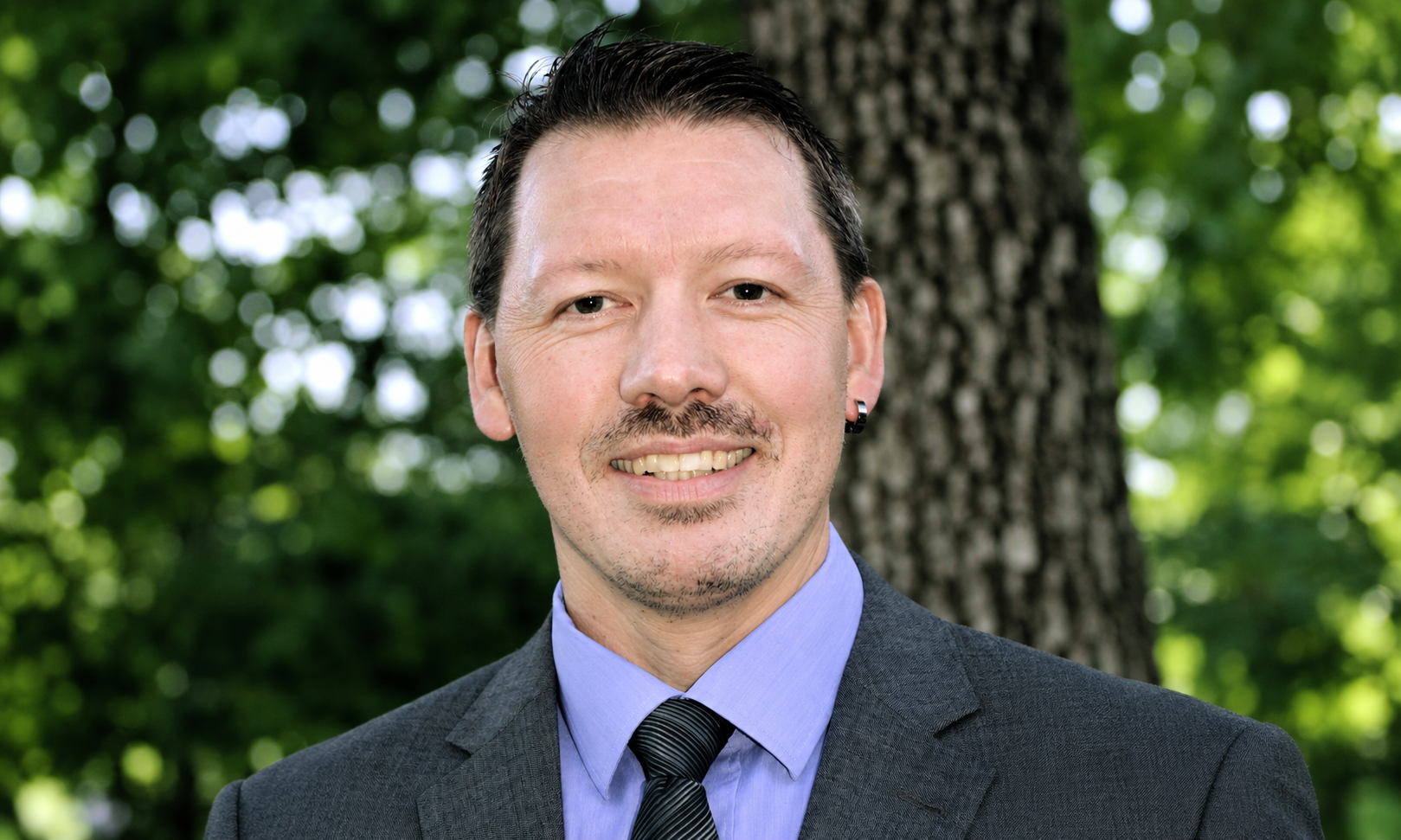
As part of our interview series leading up to WISE Networking Days 2026, we meet Robert Pederson, Manager of Manufacturing and Materials at GKN Aerospace’s Global Technology Center in Trollhättan, to discuss materials innovation, industry–academia collaboration and the future of sustainable aerospace.
Could you briefly introduce yourself and explain what brings you to WISE Networking Days 2026?
I’m the Manager of Manufacturing and Materials at GKN Aerospace’s Global Technology Center in Trollhättan. One of our main responsibilities is exploring new materials for future engine concepts.
This spring, GKN Aerospace joined the WIRA ICME project together with SAAB, Volvo Cars and Sandvik. The project aims to strengthen our use of Integrated Computational Materials Engineering (ICME) in materials and manufacturing development. Joining WISE Networking Days felt like a natural next step and an excellent opportunity to connect with researchers and industry professionals.
What are the main challenges and opportunities for industry in sustainable materials and materials technology?
The aerospace industry continuously works to reduce its environmental impact. Each new generation of jet engines is more efficient than the previous one, partly thanks to new materials that are lighter, stronger and more resistant to high temperatures. Advanced manufacturing methods, such as additive manufacturing, can also make production more sustainable.
The main challenge is ensuring that new materials and processes deliver the same or better quality than established alternatives. However, this also creates opportunities for companies that successfully develop and industrialize new technologies.
Why is collaboration between industry and academia valuable, and what makes it successful?
Industry rarely has the time to investigate every detail in depth, whereas academic research can explore fundamental phenomena and how they influence material properties. While industry relies on established processes to ensure consistent quality, academia can challenge conventional approaches and explore new possibilities.
Promising findings can then be developed further through collaboration, with industry helping to scale up solutions for practical applications. Although scaling up can be challenging, successful results can lead to significant improvements. Ultimately, people are the most important assets in this process, carrying knowledge and building the expertise needed to bridge academia and industry.
What research areas or expertise are you most interested in connecting with at WISE Networking Days?
We are particularly interested in metals, composites and manufacturing methods such as additive manufacturing and welding. Monitoring and process control, post-processing and mechanical properties are also important areas. In addition, we are keen to explore how AI can support materials development and improve manufacturing processes.
What should researchers and PhD students understand about industry’s needs and priorities today?
The aerospace industry must meet growing demand for air travel while reducing its environmental impact. This requires more efficient jet engines and increased use of sustainable aviation fuels (SAF), among other solutions.
These challenges create important opportunities for future researchers and engineers. Materials science and technology will play a key role in developing the solutions needed to make aerospace more sustainable.
What developments in materials science and sustainable technology excite you most over the next five to ten years?
I’m particularly excited about the WIRA ICME project and its potential to accelerate materials development through the use of Integrated Computational Materials Engineering across different scales. We hope this will also contribute to more sustainable manufacturing processes, including advanced additive manufacturing techniques.
AI offers further opportunities to speed up development and improve results. There is still a great deal to explore in combining these approaches, making this an exciting area for the coming years.
Interested in joining us? Find out more and register here