14 Oct 2026
24 Sep 2026
The WISE Alumni Spotlight: Arun Ramanathan
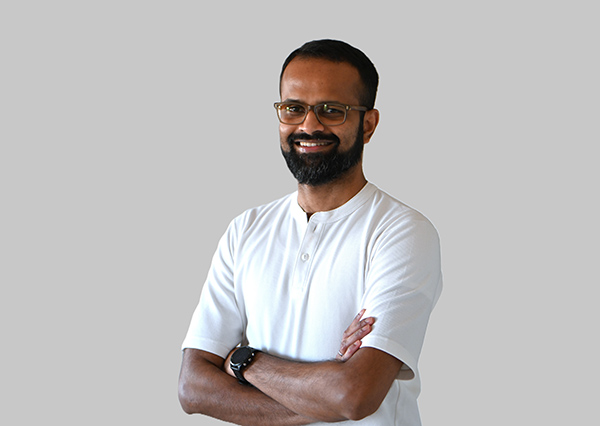
For Arun, the WISE program was an opportunity to combine scientific curiosity with real-world industrial challenges.
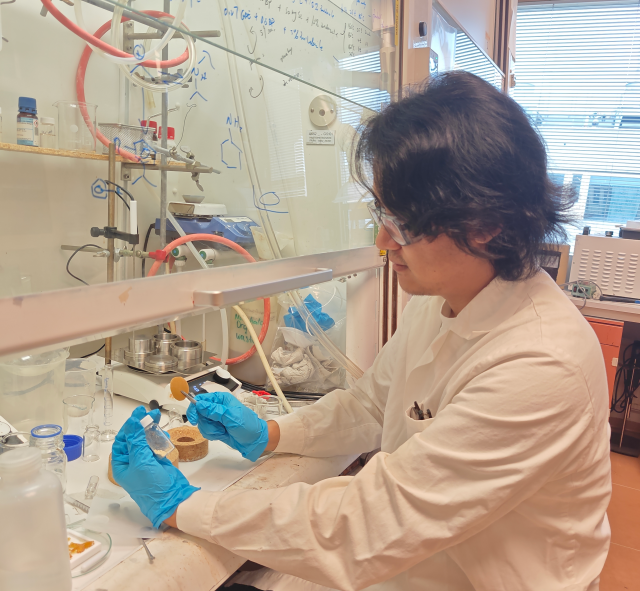
Originally from India and now based in Sweden, Arun joined Freemelt as a materials scientist in 2021. Between 2023 and 2026, he was part of the WISE program as an industrial postdoc, focusing on the additive manufacturing of pure tungsten for nuclear fusion applications.
With a PhD in additive manufacturing, Arun was already deeply involved in materials research when he joined WISE. The program provided an opportunity to take that research further through close collaboration between industry and academia.
“When the opportunity to apply for WISE came along, it was a very good fit for what we wanted to achieve,” he explains.
Freedom to Explore
One of the aspects Arun valued most about WISE was the research freedom. It allowed him to pursue challenging technical questions while keeping the work relevant to both science and industry.
The program also opened doors to collaborations with leading organizations in the fusion field, including UKAEA and Fusion for Energy, as well as providing access to university expertise and research facilities.
A particular highlight was a Fusion for Energy technology development project and the progress review meeting in Barcelona. Arun and his colleagues had the opportunity to present their achievements in additive manufacturing of tungsten for fusion applications.
“Fusion for Energy is one of the leading organizations in this field, and they were genuinely impressed by what we had managed to achieve as a relatively small company working in a very specialized area.”
For Arun, it was a proud moment and a strong confirmation of the value of their work.
From Research to Industrialization
Perhaps the most important lesson Arun took from the WISE experience was learning to look beyond the research result itself.
“Working as an industrial postdoc also forced me to think about what happens beyond the research result: how you scale a technology, how you make it relevant to industry, and eventually how you commercialize it.”
The experience gave him a deeper appreciation of the challenges involved in industrializing technology, from robustness and scalability to customer needs, qualification and creating industrial value.
This journey from research to industrial application is now becoming increasingly tangible. Freemelt has received an order from Fusion for Energy (F4E), the European organization responsible for Europe’s contribution to the International Thermonuclear Experimental Reactor (ITER) and the development of fusion energy, to manufacture and deliver 33,000 tungsten-based fusion components for the JT-60SA fusion program. The order has a base value of SEK 55 million, with additional options that may increase the total contract value to SEK 84 million. The order strengthens Freemelt’s position in fusion and marks an important step in its ambition to build Europe’s industrial platform for qualified advanced metal components.
For Arun, developments such as this demonstrate the potential for research in advanced materials and additive manufacturing to move beyond the laboratory and contribute to real-world fusion technology.
During the WISE period, Arun also had the opportunity to manage Freemelt’s Materials and Applications team, further developing his leadership skills. Ultimately, he chose to return his primary focus to science while taking on broader strategic responsibilities.
Today, he works as a Principal Materials Scientist at Freemelt, carrying the lessons from WISE into his work in research and technology development.
Building a Network and Looking Ahead
Working in the highly specialized field of fusion materials also helped Arun build relationships with leading researchers and organizations. The recognition he received through this work strengthened his confidence and reinforced his belief that the research had real value.
Looking ahead, Arun hopes to continue developing the technology established during the WISE period and take it further toward industrialization and commercialization. He also hopes to remain involved in future WISE projects, potentially contributing as an industrial participant or advisor to PhD students and postdocs.
His advice to future WISE researchers is simple:
“WISE is a very good opportunity for anyone who wants to push their curiosity and explore the boundaries of their field.”
For Arun, the experience ultimately brought together research, innovation, leadership and collaboration, while opening new possibilities for the future.
“Contributing to the development of additive manufacturing of pure tungsten for plasma-facing fusion applications has been an experience I will always cherish.”