
6 Oct 2026
18 Sep 2026
A New Way to Turn Plant Waste into Strong, Sustainable Packaging
Researchers at Stockholm University developed a method to transform discarded plant material into strong, sustainable packaging. This renewable approach could reduce reliance on fossil-based plastics while using agricultural and forest resources more responsibly.
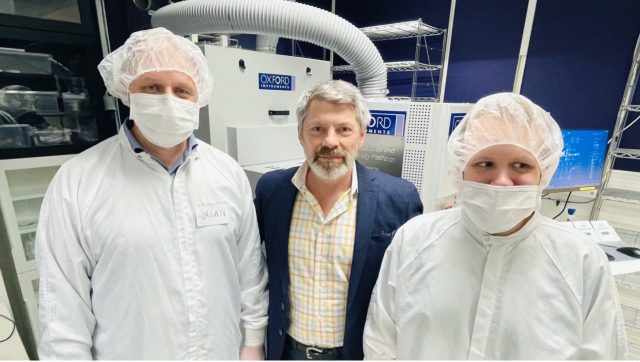
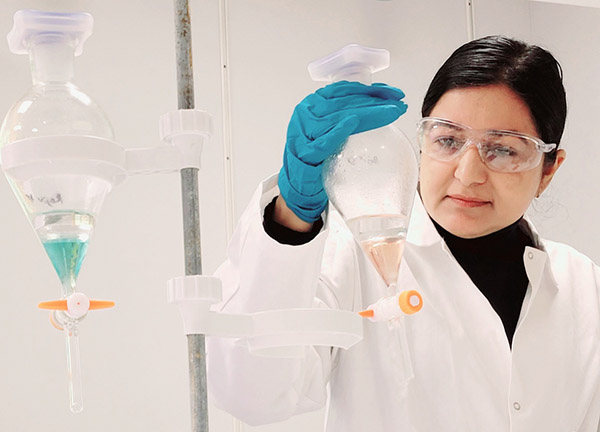
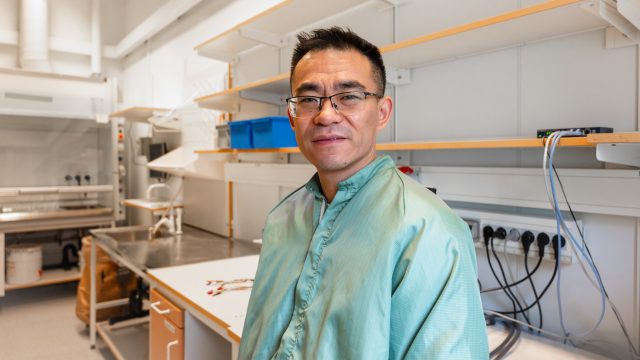
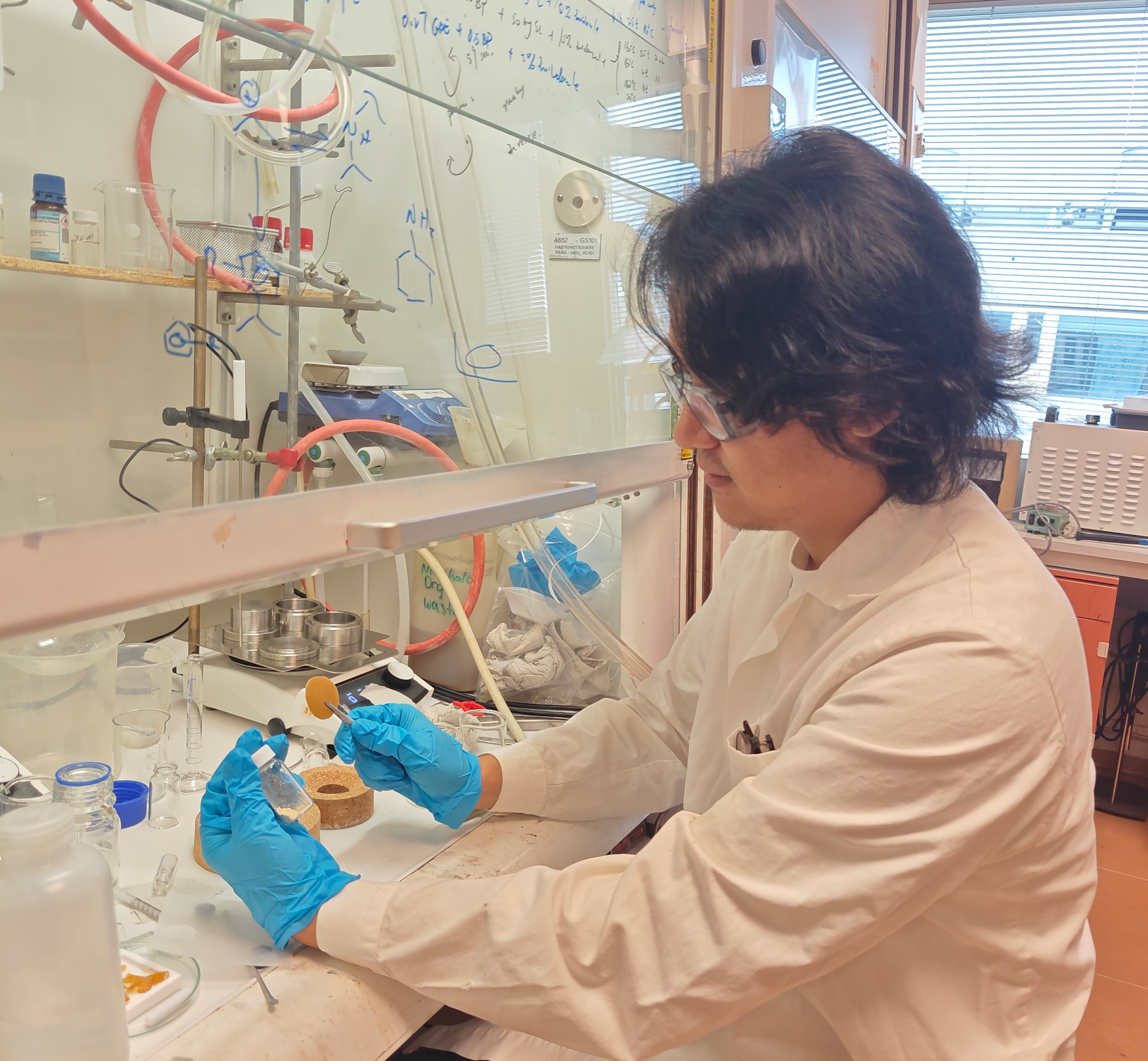
Photo: Shida Zuo, WISE PhD student at Stockholm University and first author of the Nature Communication article.
As the global population grows and living standards rise, so does the demand for packaging and other materials. Finding renewable alternatives to fossil-based plastics, while using forests and agricultural resources responsibly, is therefore becoming increasingly important. One promising solution is to make better use of plant material that is currently discarded, left behind, or burned for energy. In a recent study published in Nature Communications, researchers at Stockholm University demonstrated a new way to turn these leftovers into strong, sustainable packaging materials
Wood and agricultural residues are mainly made of two natural polymers: cellulose, which provides strength, and lignin, which helps bind the structure together. These leftovers are often difficult to process because they contain dirt, minerals and ash. In conventional processing, these two components are usually separated and used for very different purposes, and lignin is often treated as a low-value by-product.
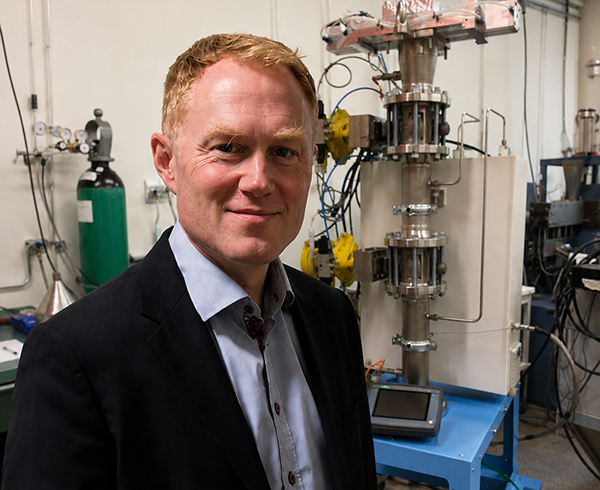
A researcher team at Stockholm University, led by Professor Joseph Samec took a different approach. They separated the main components of biomass, chemically modified the lignin to make it reactive, and then used it to reconnect cellulose fibers through strong covalent bonds. In this way, the original plant structure is taken apart and rebuilt into a new material with engineered interfaces.
—I began working on the project at the start of my PhD studies, building on the work of a researcher who had left before I arrived. It took considerable effort to understand and further develop the process, but after many attempts, we ultimately succeeded. That was incredibly gratifying, says Shida Zuo, a WISE PhD student at Stockholm University and first author of the study. He works under the supervision of Prof. Samec, who is the WISE Director for Sustainability.
The resulting composite is strong, remains mechanically stable even when exposed to water and humidity, and can still undergo degradation under composting conditions. More broadly, the work shows that lignin and cellulose do not need to be treated as separate products: they can be redesigned to work together again, providing a new route for turning forestry and agricultural residues into higher-value sustainable materials.
Unlike many existing methods, the process works at normal pressure, requires no metal catalysts and can handle biomass containing high levels of ash. This makes it potentially easier to scale up and suitable for waste streams that are currently difficult to use. The resulting material could offer a renewable alternative to packaging made from newly harvested wood or fossil-based plastics such as PET, helping make better use of plant resources while reducing waste.
The study highlighted in this article, “Composites of covalently linked lignin and cellulose from one feedstock” by Shida Zuo, Lars W. Schick, Suthawan Muangmeesri, Saranya Chitsomkhuan, Lenny Haddad, Joseph S. M. Samec [Nature Communications 17, 9145 (2026).] can be found at https://www.nature.com/articles/s41467-026-77206-8
To learn more about Joseph Salmec’s research at WISE please visit:
Recyclable composite materials from low value agricultural streams