
12 Oct 2026
23 Sep 2026
New unique instrument strengthens materials research at Luleå University of Technology
A new advanced instrument for three-dimensional imaging and analysis of materials has been inaugurated at Luleå University of Technology.
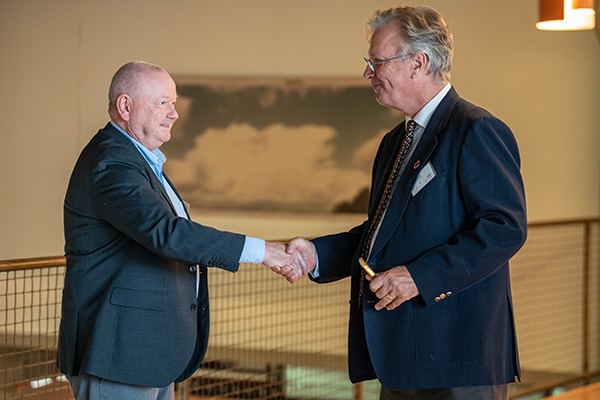
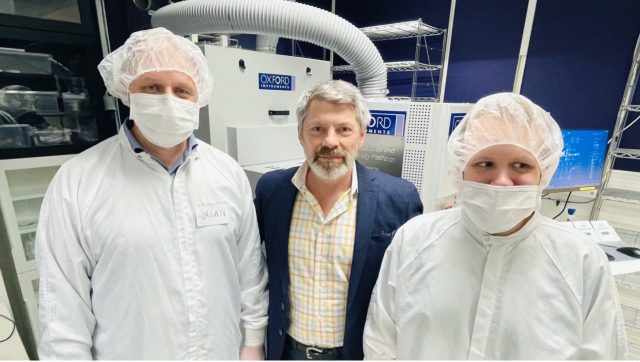
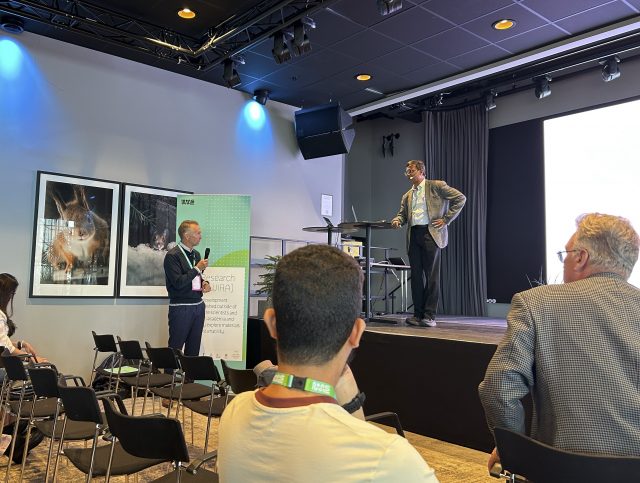
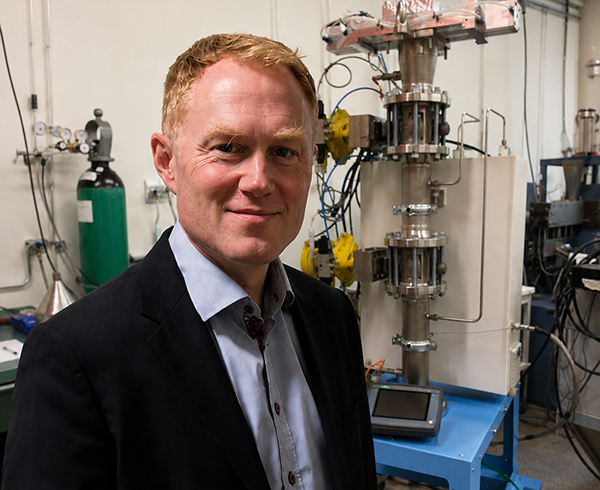
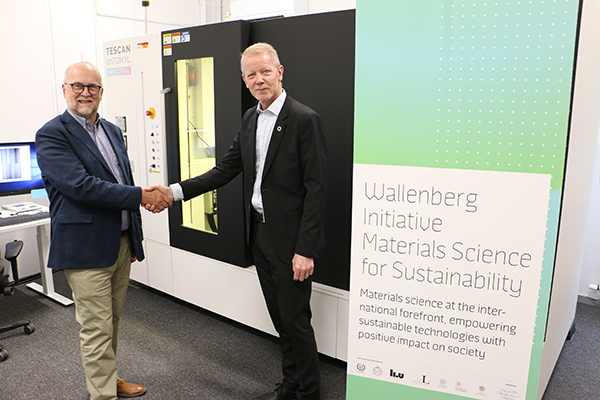
Bo Liedberg, WISE, and Glenn Bark, director of LUMIA, at the inauguration of the new laboratory at Luleå University of Technology. Photo by Henrik Örtenvik.
The instrument, a Dynamic-Spectral X-ray Computed Tomography (XCT) system, the “TESCAN UniTOM XL Spectral”, is unique in Sweden and makes it possible both to study the internal structure of materials and to monitor how they change during ongoing processes.
The XCT instrument is part of the Luleå Material Imaging and Analysis research infrastructure, LUMIA, and has been funded through WISE, the Wallenberg Initiative Materials Science for Sustainability. WISE is the largest investment in materials science ever made in Sweden, with approximately SEK 500 million allocated to areas including chemical analysis, electron microscopy, materials processing, powder production and non-destructive testing.
Research that benefits everyone
An important part of the initiative is to make the infrastructure available to a wider community than the research groups at the respective universities.
“Our philosophy is that the equipment should be accessible to the entire materials science community in Sweden to academia, research institutes and industry. The research should benefit society as a whole,” says Bo Liedberg, Professor and Research Coordinator for WISE.
At Luleå University of Technology, the new instrument will become part of LUMIA, which brings together advanced laboratories and expertise in materials analysis.
“We work strategically to connect our laboratories and the expertise available there. The more researchers we can bring into the labs, the more research we can get out of the infrastructure, and thereby create greater benefits for society,” says Glenn Bark, Head of LUMIA.
LUMIA also contributes expertise in areas including sample preparation, analysis and the development of research projects.
Can monitor changes as they happen
The TESCAN UniTOM XL Spectral uses X-ray tomography to create three-dimensional images of the internal structure of materials without destroying the samples.
The instrument combines dynamic, spectral and high-energy XCT. Its dynamic imaging capabilities make it possible to perform X-ray scans in less than five seconds, allowing researchers to monitor rapid changes in a material as they occur.
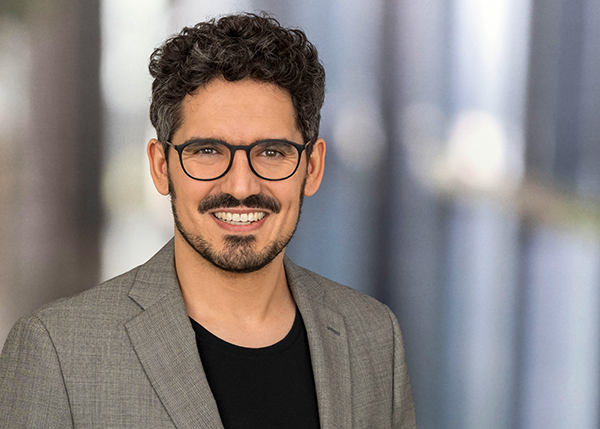
“We can expose materials to, for example, gases or high temperatures while simultaneously monitoring how the material changes over time. This is a highly versatile instrument that makes it possible to study processes while they are actually taking place,” says Fredrik Forsberg, Senior Lecturer in Experimental Mechanics at Luleå University of Technology.
Collaboration with LKAB
The spectral technology also makes it possible to analyse the composition of materials in three dimensions, while the high X-ray energy allows larger and more difficult-to-penetrate samples to be examined. One area where the technology can be applied is research carried out in collaboration with LKAB.
“We are working with LKAB, among others, looking at pellet beds and studying the processes that take place as they are dried and reduced. With this type of equipment, we can monitor what happens inside the material during the process itself,” says Fredrik Forsberg.
The instrument can handle everything from small samples requiring a high level of detail to significantly larger objects. The system is approximately 3.5 metres long, weighs around seven tonnes and can accommodate samples up to one metre in height.
The new instrument complements the high-resolution X-ray tomography already available at LUMIA and builds on the existing collaboration between LUMIA and MAX IV.
“This equipment gives us additional opportunities for advanced correlative imaging and strengthens our role as a gateway environment to MAX IV and similar facilities,” says Fredrik Forsberg. “Here, we can conduct preliminary studies using our equipment and learn more about the material and the different processes involved. This normally increases the chances of securing beamtime and means we are better prepared for the measurements at the facility in question.”