
14 Oct 2026
15 Oct 2026
Machine Learning Meets Materials Science: CVD Across scales
Join us for the 10th Machine Learning Meets Materials Science Seminar, part of the WASP–WISE initiative! Mark your calendars: October 28 at 10:00!
Autumn is here, and it is time for the next seminar in our Machine Learning Meets Materials Science series. We are pleased to announce the 10th seminar in the Machine Learning Meets Materials Science series, part of the WASP-WISE initiative aimed at fostering collaboration between these two rapidly advancing fields.
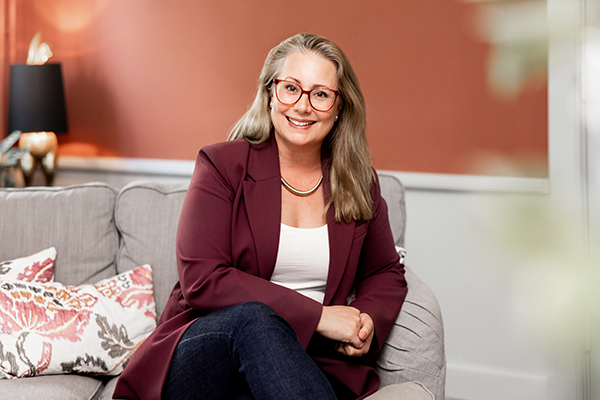
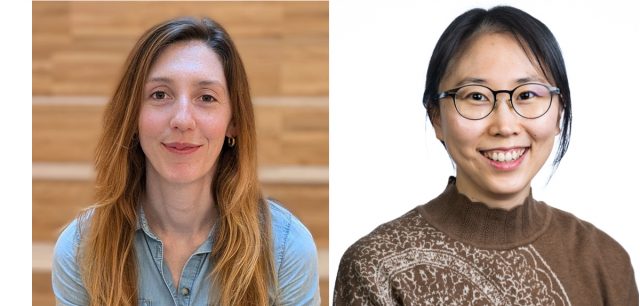
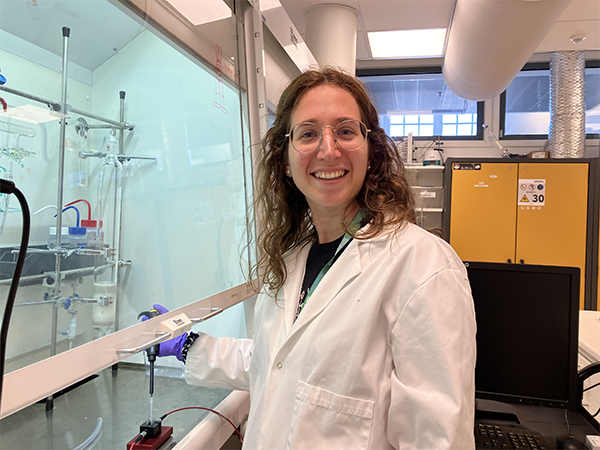
Hosted by WISE-affiliated researcher Maryna Pankratova (Uppsala University).
-
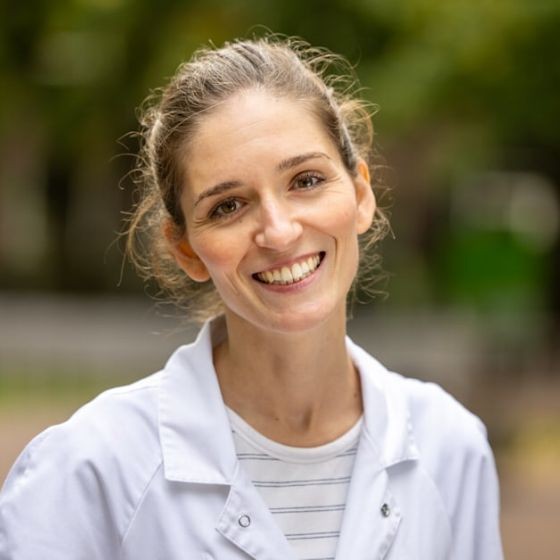
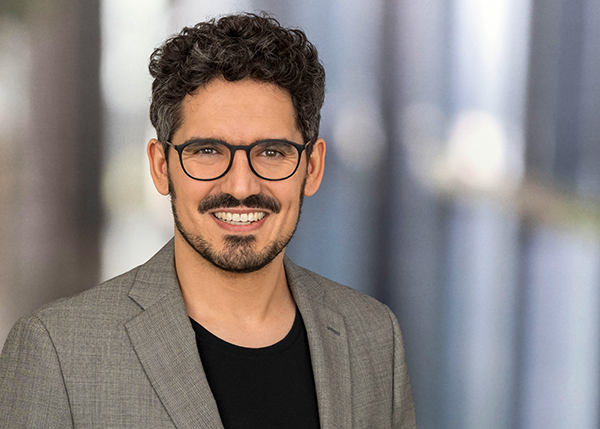
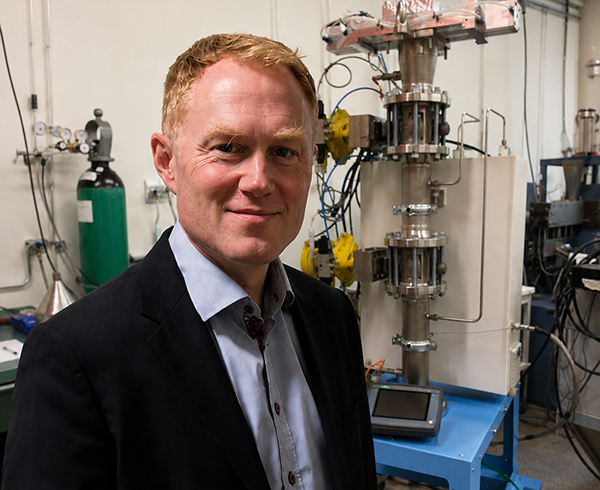
Materials Science: Henrik Pedersen, IFM, Linköping University
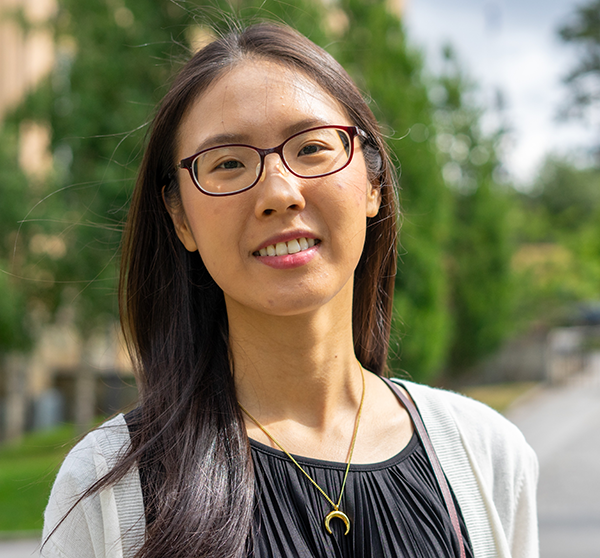
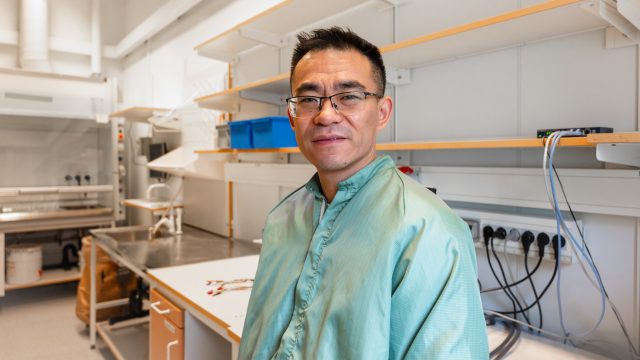
- Machine Learning: Zheng Zhao, STIMA, Linköping University
Each seminar in the series provides a unique platform for knowledge exchange, bridging machine learning and materials science to explore new possibilities at their intersection.
Join us to gain fresh perspectives, learn foundational concepts, and connect with leading researchers shaping the future of science and technology.
Date: October 28, 2026
Time: 10:00 AM – 11:00 AM (CET)
Location: Online via Zoom,
Join Zoom Meeting
https://uu-se.zoom.us/j/61371858182
Agenda
10:00 — Henrik Pedersen
IFM, Linköping University
Title: “Chemical Vapor Deposition: Process Understanding Spanning Ten Orders of Magnitude in Time and Space”
Abstract: Chemical vapor deposition is a collection of techniques for making thin layers of materials on a surface using chemical reactions between molecules above and on the surface. CVD plays an enormous role in our modern society in the production of all electronic chips, hard coatings on cutting tools, and optical coatings on window glass. Knowledge-based development of CVD processes requires understanding a plethora of chemical and physical processes taking place from the atomic scale (Ångströms and picoseconds) to the reactor scale (meters and seconds). CVD is thus a multiscale problem covering ten orders of magnitude in both time and space. I will describe these processes and how we are trying to understand and connect them using multiscale modeling and experiments.
10:30 — Zheng Zhao
STIMA, Linköping University
Title: “Particle-Guided Diffusion Models for Fluid Dynamics Simulation”
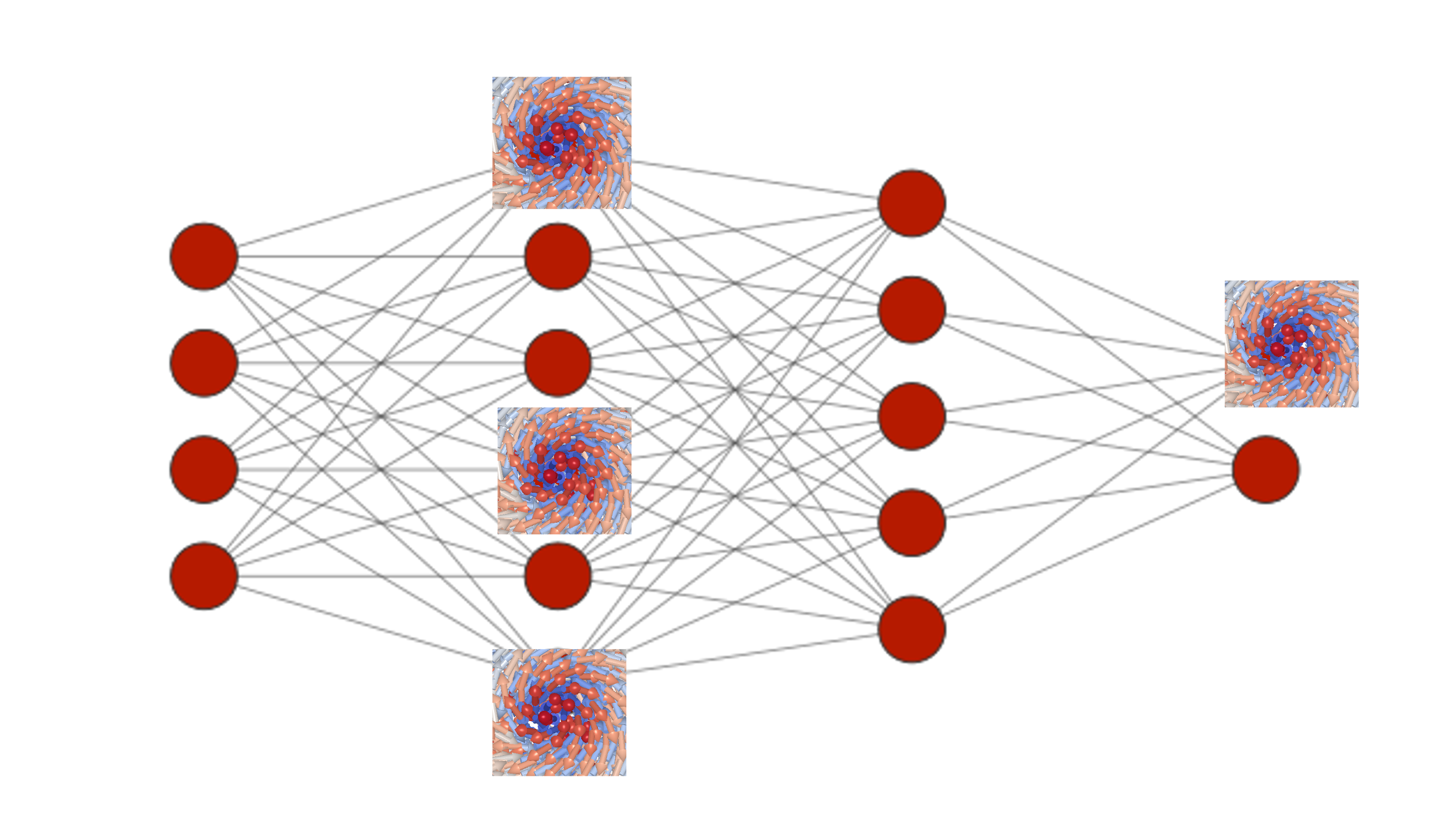
Abstract: Partial differential equations are central in understanding CVD processes, but solving them using classical numerical solvers is computationally demanding and typically lacks calibration. In this talk, we present our recent developments in using generative diffusion models as PDE solver surrogates. The method guides the diffusion sampling with PDE residuals and observation constraints under the hood of a sequential Monte Carlo framework, so that the generated solutions remain statistically and physically consistent. We demonstrate the method on benchmark PDEs and on gas-phase reaction kinetics, which are the first step in modelling real CVD processes.
The talks are based on the following published results:
Andrew Millard, Zheng Zhao, and Henrik Pedersen. Modelling gas-phase reaction kinetics with guided particle diffusion sampling. In ProbNum 2026.
Andrew Millard and Henrik Pedersen. Particle-Guided Diffusion for Gas-Phase Reaction Kinetics. In AI & PDE Workshop @ ICLR 2026.
Andrew Millard, Fredrik Lindsten, and Zheng Zhao. Particle-Guided Diffusion Models for Partial Differential Equations. In ICML 2026.
Welcome!