20 Oct 2026
22 Oct 2026
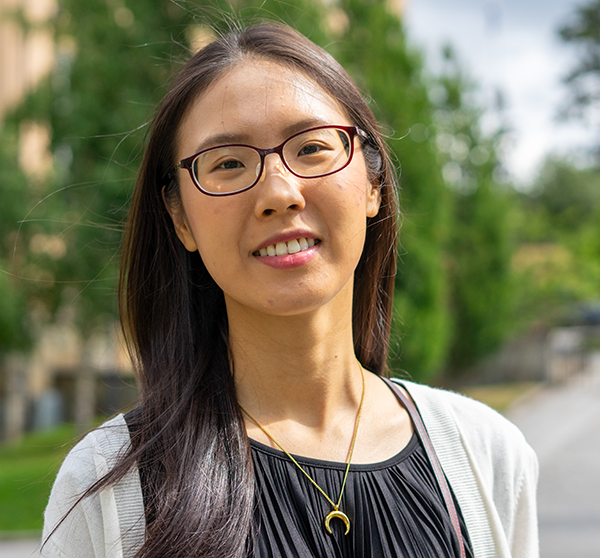
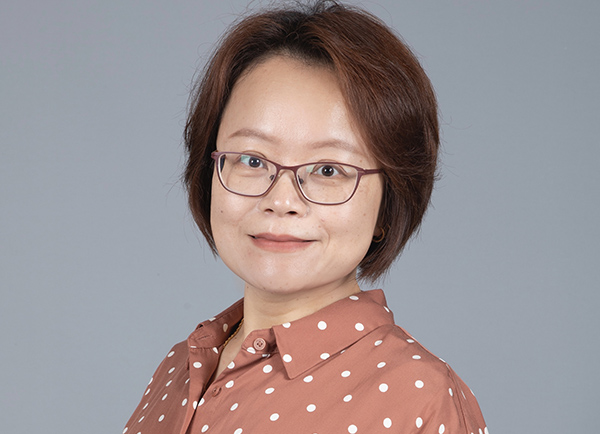
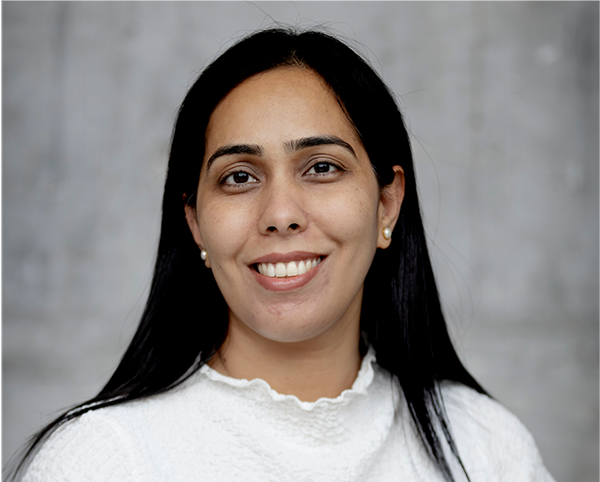
The WISE Alumni Spotlight: Richa Chaudhary – When Batteries Become Part of the Structure
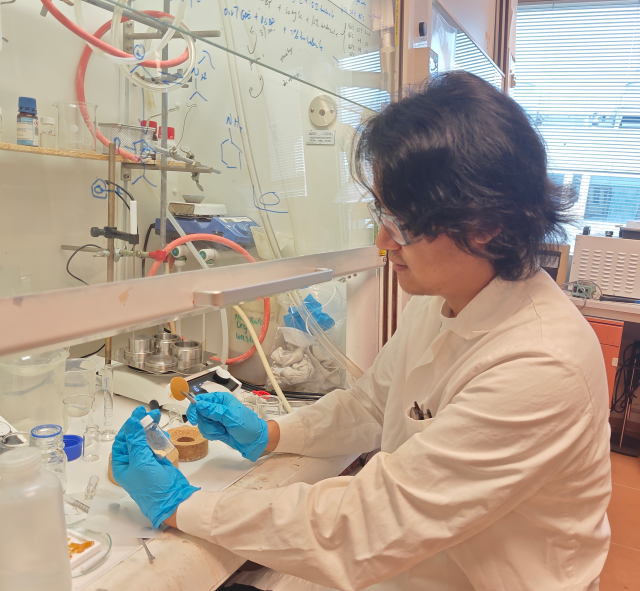
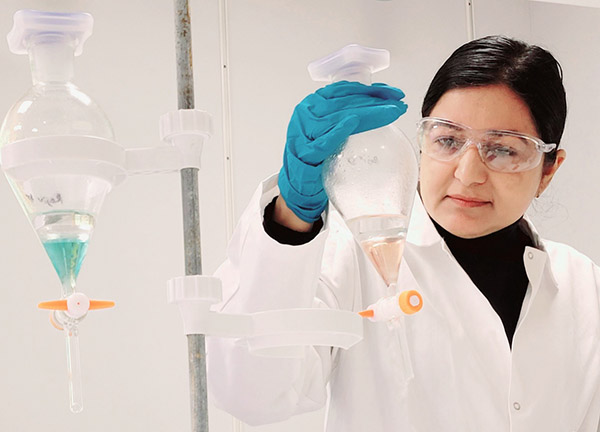
What if the battery in an electric vehicle could do more than store energy? What if it could also help carry the load? This question is at the heart of the research of WISE alumni Richa Chaudhary, whose work focuses on structural batteries and multifunctional materials.
Unlike conventional batteries, which store energy while a separate structure supports mechanical loads, structural batteries aim to combine both functions in the same material. The idea could have important implications for electric vehicles and other applications where reducing weight is key to improving energy efficiency.
After joining Chalmers University of Technology as a postdoctoral researcher in 2023, Richa became part of the WISE research environment. Today, she continues her work as a Staff Scientist at Chalmers and as co-Principal Investigator of a WISE-WALP project focused on scaling structural-battery technology and bringing it closer to practical applications.
From a new research environment to a research community
For Richa, joining WISE was about more than becoming part of a strong scientific environment. Having recently arrived in Sweden, it was also an opportunity to build a professional network and find her place within the Swedish research community.
The interdisciplinary nature of WISE was particularly important.
“Battery research cannot be confined to one discipline,” Richa explains. “It brings together materials science, chemistry, mechanics, manufacturing and engineering.”
Working across these fields also meant learning to communicate with researchers who approached the same problem from very different perspectives.
“The interdisciplinary environment was probably the most valuable aspect. It encouraged researchers to think beyond their own field.”
From an idea to something real
One of the most rewarding parts of Richa’s time in WISE was seeing structural-battery research develop from a scientific concept into increasingly functional materials and devices.
The principle is relatively simple to describe but challenging to achieve in practice: a structural battery must store and release electrical energy while also being strong and stiff enough to contribute to the structure of the product in which it is used.
For electric vehicles, this could open up new possibilities. Today, a vehicle’s battery is a major source of weight, while the body and chassis provide structural support. If some of these functions could be combined, less material might be needed overall.
Richa’s research contributed to the development of structural-battery materials combining mechanical performance with energy-storage capability, helping advance the field towards more functional and scalable solutions.
“Seeing a research concept develop into something with such broad scientific and societal interest was one of the most rewarding experiences of my career,” she says.
Looking beyond the laboratory
For Richa, one of the lasting lessons from WISE has been learning to consider the bigger picture from the very beginning.
Excellent technical performance is only one part of successful technology development. Questions about sustainability, scalability, manufacturability, resource use and potential applications also need to be considered.
That broader perspective is particularly important when moving a technology from the laboratory towards real-world applications.
The interdisciplinary nature of the work also brought challenges. Moving between fields meant learning different scientific languages, methods and ways of thinking. But for Richa, this became an important part of the experience.
“I learned that open communication and collaboration are just as important as technical expertise.”
Rethinking what a battery can be
Today, Richa’s research continues to explore advanced battery materials, structural batteries, multifunctional materials and advanced manufacturing. Her work is part of a broader effort to understand how materials can be designed to perform several functions at once.
For those considering joining WISE, her advice is simple:
“Be curious and be open to learning beyond your own research area.”
Looking back, Richa says the wider WISE community has been just as valuable as the research itself providing connections, conversations and opportunities that can continue to shape a career long after a project ends.
And perhaps that is also what makes structural batteries so interesting: they challenge us to rethink not only how we make batteries, but what a battery can be.