6 Oct 2026
12 Oct 2026
Meet the People of WISE Networking Days 2026: Emma Mattsson on Sustainable Materials and Collaboration
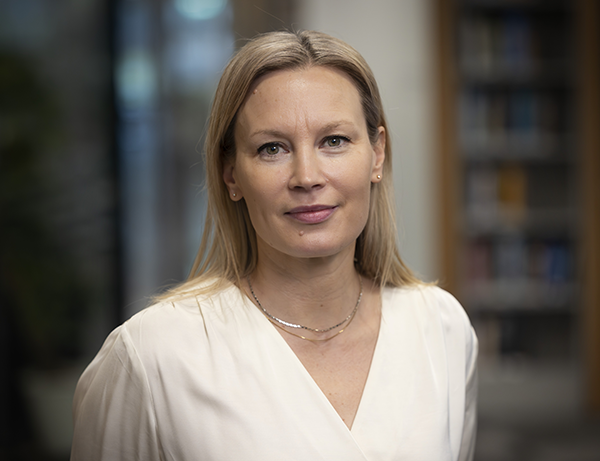
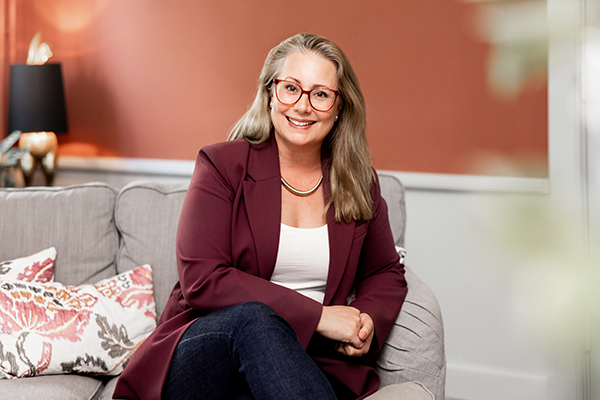
As part of our interview series leading up to WISE Networking Days 2026, we meet Emma Mattsson, Head of Strategy & Governance at Volvo Group, to discuss sustainable materials, industry-academia collaboration, and the innovations shaping a more sustainable future.
Could you briefly introduce yourself and tell us what brings you to WISE Networking Days 2026?
My name is Emma Mattsson, and I lead a team focused on future technology needs at Volvo Group, with a main focus on trucks. We support strategic decision-making, technology development, innovation partnerships, and long-term transformation.
What motivates me most is connecting emerging technologies and new knowledge with the real-world challenges facing our industry. I’m attending WISE Networking Days because I believe closer collaboration between industry, academia, and research communities is essential to solving tomorrow’s sustainability challenges.
What are the biggest challenges and opportunities for industry in sustainable materials and materials technology?
The biggest challenge is scaling promising research into industrial solutions that are sustainable, competitive, reliable, and available at scale. In my experience, this is often where the gap between exciting discoveries and real-world impact becomes most visible.
Low-carbon materials, circular material flows, and new technologies offer exciting opportunities to reduce environmental impact throughout a product’s lifecycle, supporting Volvo Group’s ambitions for decarbonization and circularity.
What makes collaboration between industry and academia valuable and successful?
Industry and academia bring complementary strengths: researchers generate new knowledge, while industry contributes real-world challenges and pathways to implementation.
Over the years, I have seen that some of the most successful collaborations begin with curiosity and openness from both sides, rather than having all the answers from day one.
Successful collaborations rely on shared goals, trust, and a genuine willingness to learn from each other.
What research and expertise are you particularly interested in connecting with at WISE Networking Days?
I’m interested in research that bridges scientific discovery and industrial impact, particularly low-carbon materials, circularity, recycling technologies, advanced materials characterization, and sustainable manufacturing.
What I find especially exciting is research that combines scientific excellence with a clear pathway towards practical implementation and real-world impact.
What should researchers and PhD students understand about industry’s needs and priorities today?
Industry is navigating several transformations at once, from decarbonization and digitalization to circularity and resilient supply chains. Scientific excellence is essential, but solutions must also be scalable, manufacturable, economically viable, and sustainable throughout their lifecycle.
One thing I would encourage researchers to remember is that even small advances can have a significant impact when they can be applied at industrial scale.
Researchers can increase the relevance and impact of their work by understanding industrial realities, considering the broader context, and engaging with end-users early on.
Looking five to ten years ahead, what developments are you most excited about?
I’m excited to see progress in low-carbon and fossil-free materials, as well as how digital technologies and AI can accelerate materials development and innovation.
Above all, I hope to see even stronger collaboration across industries and research communities. In my experience, the most meaningful breakthroughs often happen when people with different perspectives come together around a shared challenge. If we can continue building those connections, I believe we can accelerate the transition towards a more sustainable future.