4 Nov 2026
9 Nov 2026
Inside WIRA-SET: Bridging Science and Smart Engineering
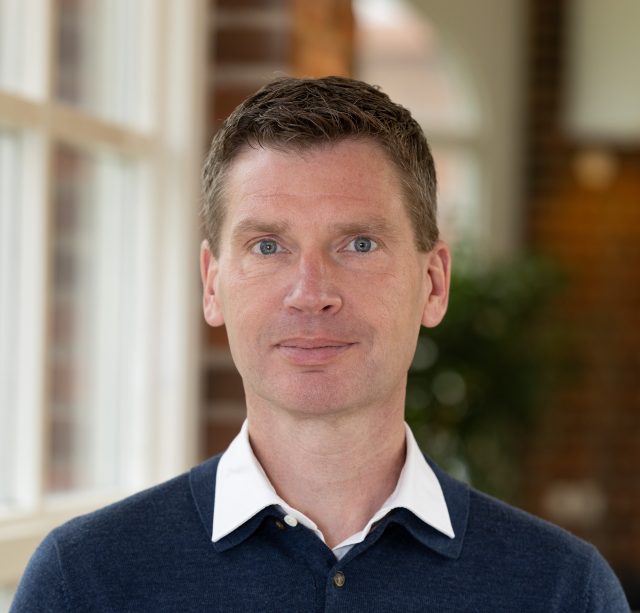
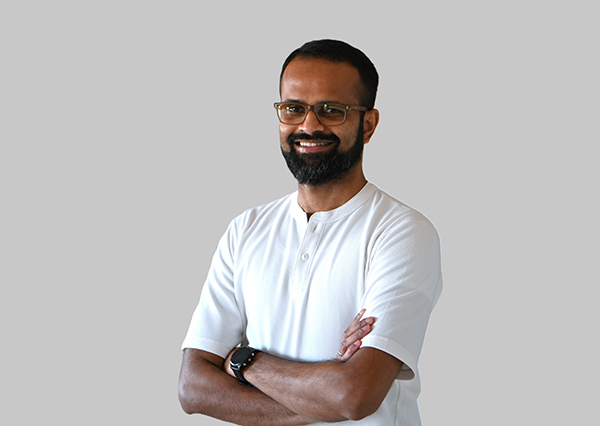
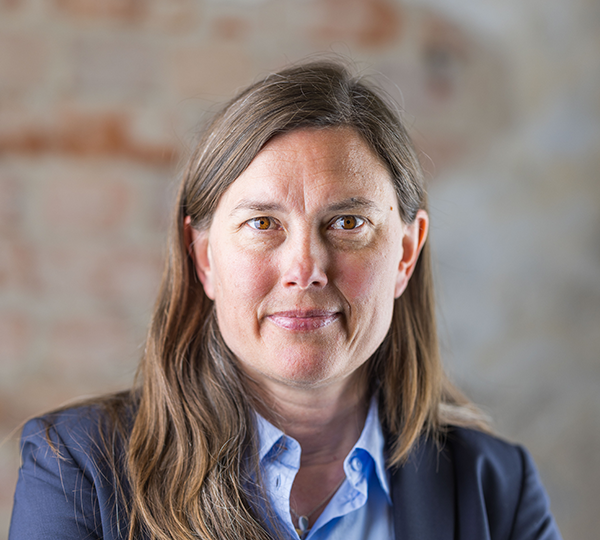
“One of our most important sustainability goals is to remove PFAS from electrochemical technologies. Finding alternatives is an important challenge, and one where WIRA-SET can make a real contribution”, says Pawel Jerzy Wojcik, Managing Director and Chief Engineer at redox.me and coordinator of WIRA-SET.
The WISE Research Arenas, WIRAs, are a key part of WISE. They bring together materials scientists and engineers from academia and industry to explore how materials science can contribute to a more sustainable society, bridging fundamental research with industrial and societal needs. WIRA Sustainable Electrochemical Technologies, WIRA-SET, was the first WIRA to get started. Its mission is to reduce the environmental and societal impact of electrochemical technologies. In practice, this means creating industry-relevant settings where researchers can work on eliminating PFAS, often called “forever chemicals”, and significantly reducing the use of critical raw materials in electrochemical technologies.
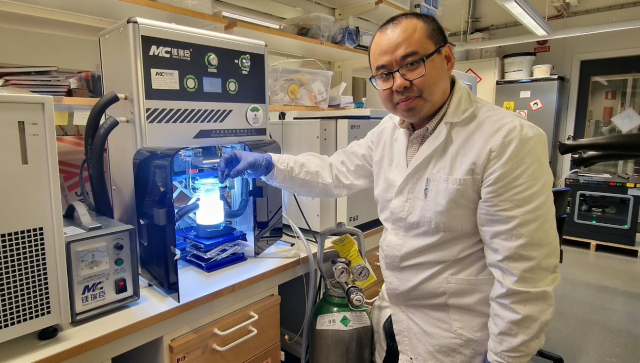
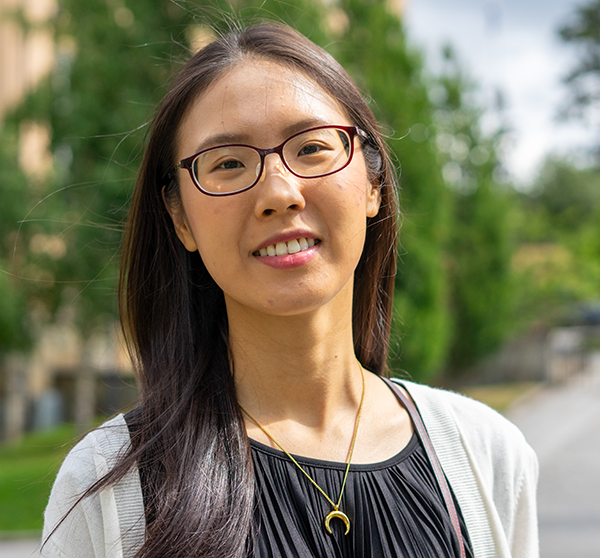
We spoke with Dr. Pawel Jerzy Wojcik, Managing Director and Chief Engineer at redox.me. Redox.me is one of the companies that initiated WIRA-SET, and Pawel now coordinates the arena.
Which organisations are part of WIRA-SET?
Our industrial partners are redox.me, Alleima and IPCO. From academia, we work with Chalmers University of Technology, Karlstad University and Linköping University.
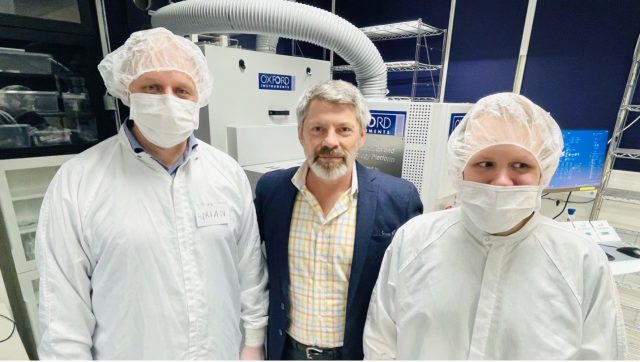
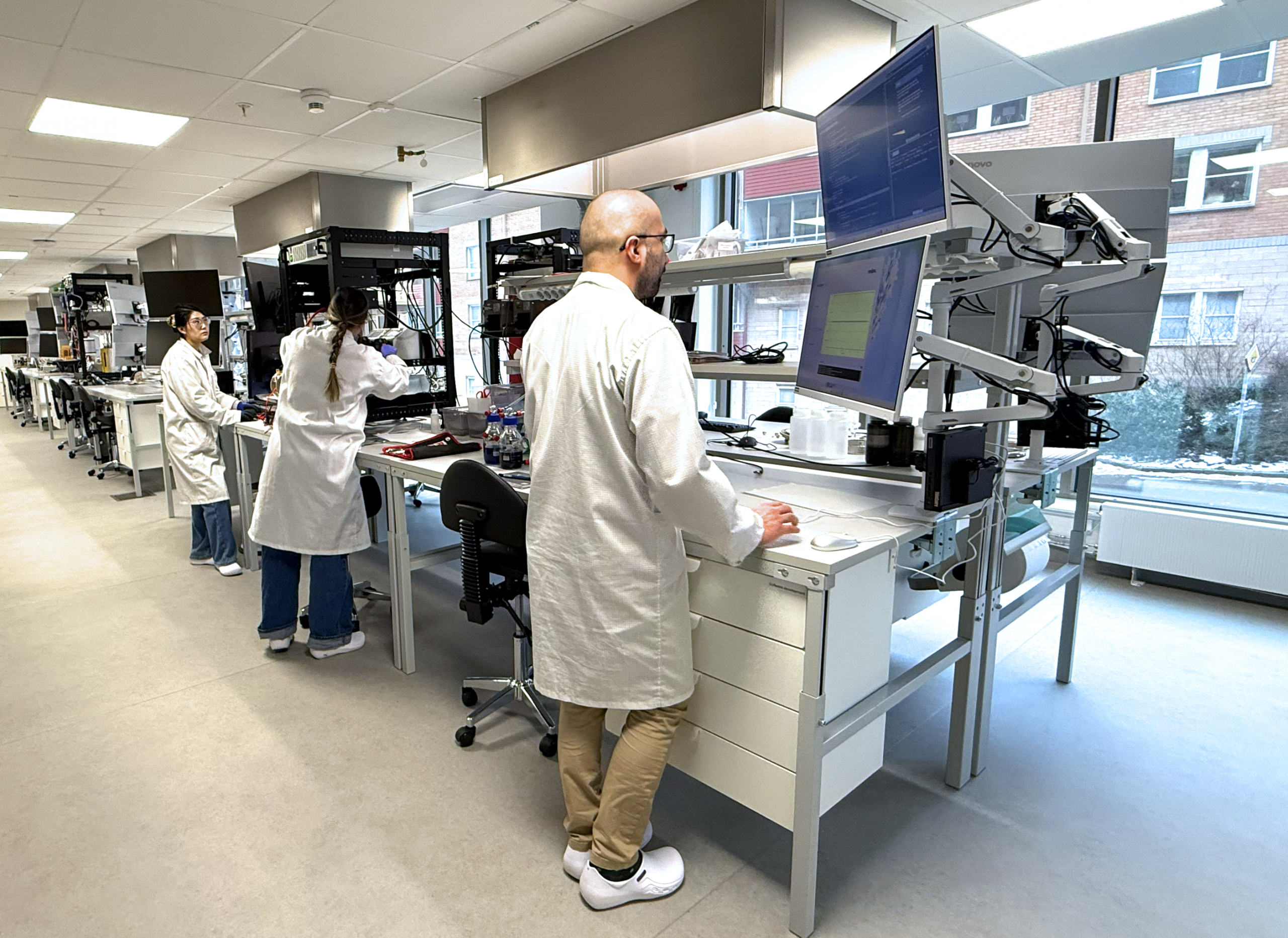
Redox.me designs and manufactures equipment for both fundamental and applied research in electrochemistry. Alleima specializes in advanced alloys and develops components for industrial-scale fuel cells and electrolysers. IPCO focuses on process solutions and has unique capabilities for developing continuous manufacturing processes for a wide range of materials, especially films.
What is WIRA-SET, and what does it offer to researchers?
WIRA-SET is a WISE Research Arena with testbeds open for university researchers and industry who have a material concept or a method idea they want to test. We help turn promising materials inventions into innovations by bridging the gap between discovery and practical application. Our work is especially relevant for finding alternatives to PFAS and reducing the use of critical raw materials in electrochemical technologies. We aim for excellence, and we want to be a bridge between science and smart engineering. We are happy to support start-ups, too.
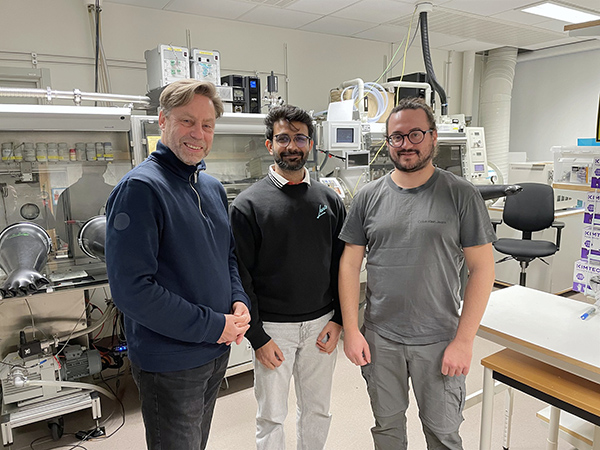
We currently have three testbeds; one at each of our industrial partner companies.
What kinds of activities do you organize?
We are continuously looking for new ways to create synergies between the testbeds and strengthen collaboration. We organize seminars and visits to our facilities, for example. My personal favorite is when school classes visit us. The students are often a little shy at first, but after a few minutes they become really enthusiastic. It is a great way to show them what we do, and what they could work with in the future if they are interested in energy applications.
What are the sustainability aspects of your work?
One of our most important sustainability goals is to remove PFAS from electrochemical technologies. Unfortunately, PFAS can be found in many everyday products, including water-resistant textiles, fast-food packaging, and personal-care products. In electrochemistry, PFAS are commonly used in membranes and binders. Finding alternatives is therefore an important challenge, and one where WIRA-SET can make a real contribution.
Redox.me will be exhibiting at the WISE Networking Days in Göteborg on 23–24 November. What can visitors expect to see?
Redox.me develops electrochemistry equipment and tools for batteries, hydrogen production and CO₂ reduction. At our stand, visitors can explore our solutions through digital presentations and talk with us about how they support electrochemical research. We look forward to meeting people, discussing ideas, and showing what electrochemistry can do.
For more information about WIRA-SET visit: https://wira-set.se/