3 Nov 2026
4 Nov 2026
Meet the People of WISE Networking Days 2026: Accelerating the Energy Transition Through Research and Innovation
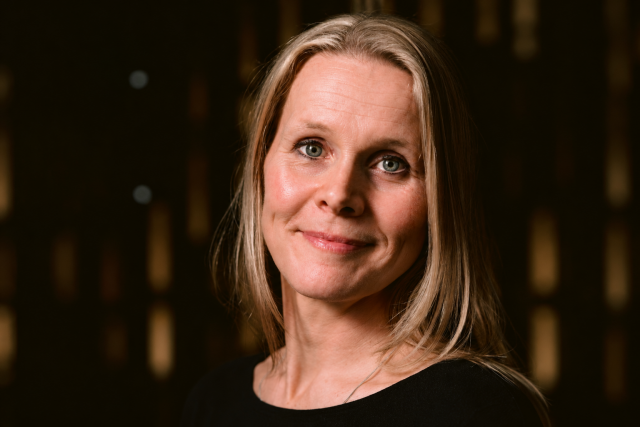
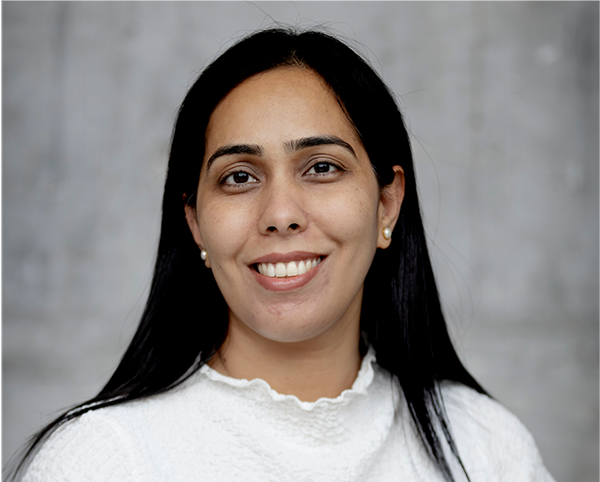
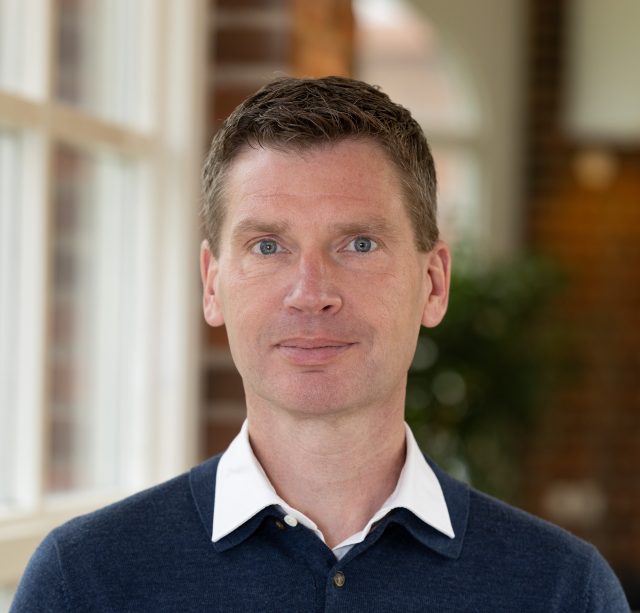
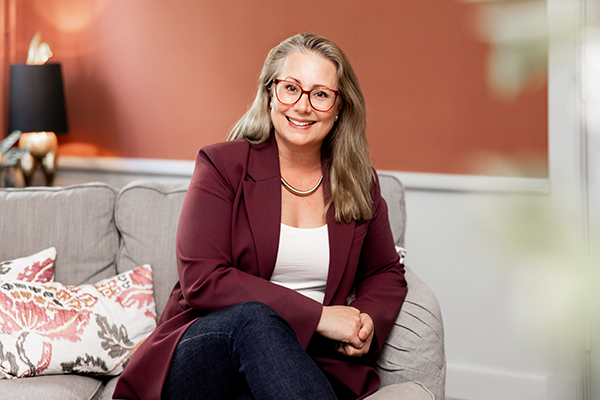
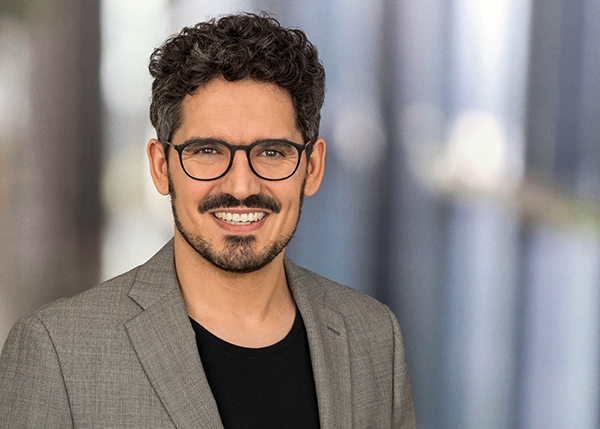
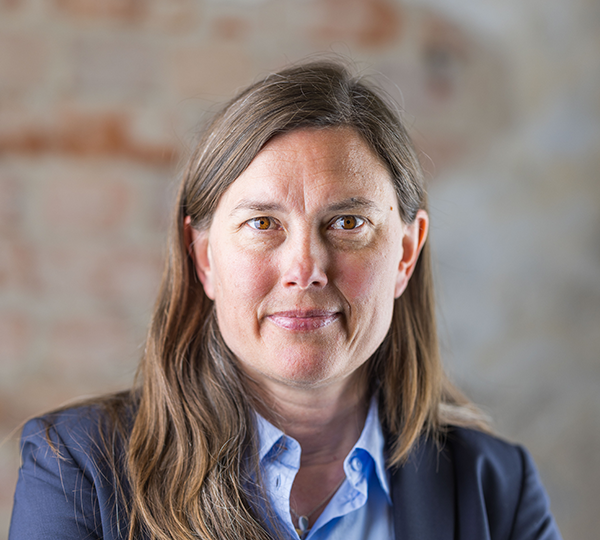
As part of our interview series leading up to WISE Networking Days 2026, we meet Klara Helstad, who works with research and innovation funding for the energy and climate transition.
Interested in joining us at WISE Networking Days 2026? Register here and be part of the conversation!
At WISE Networkings Days Klara will talk about the role of materials research, cross-sector collaboration and long-term investment in building a sustainable and competitive future.
Could you briefly introduce yourself and explain your role?
My work focuses primarily on funding research and innovation related to the energy and climate transition. The goal is to accelerate development while ensuring a secure energy supply and strengthening Sweden’s competitiveness. I mainly work with strategic issues and collaborate with a range of stakeholders across society. My background is in the forest industry, where I worked extensively on sustainable forest management.
What are the main challenges in Sweden’s transition to a sustainable energy system, and where can materials research make a difference?
The energy transition is taking place amid rapid technological development, geopolitical tensions and growing demands for competitiveness and energy security. Achieving Sweden’s energy and climate policy objectives requires a range of efforts, with the electrification of industry and transport playing a crucial role.
This places new demands on research and innovation. Materials research has an important role to play, contributing to the development of technologies and solutions across many key applications within the energy system.
What does it take to successfully bring promising research and innovations from the lab to practical application?
Many factors are involved, but one that stands out is the importance of organisations and stakeholders working together towards shared goals. Collaboration between companies, academia and research institutes can help accelerate the development of research findings, improve methods and scale up solutions for commercial use.
Close collaboration and continuous learning are essential throughout this process, allowing partners to deepen their understanding of different challenges along the way.
Scaling up is often the most costly phase, making it important to have funding mechanisms suited to this stage of development. Small and medium-sized enterprises, in particular, need support to validate innovations with customers and prepare for commercialisation, for example through large-scale pilot and demonstration projects.
How important is collaboration between researchers, industry and the public sector in accelerating the transition to a more sustainable society?
Collaboration is essential for understanding different needs, building expertise, developing methods and advancing both technological solutions and policy. Regulations at EU and national levels have a significant influence on the energy and climate transition, as well as on companies’ competitiveness.
Research and innovation can contribute to this development in many different ways, making collaboration across sectors particularly important.
Looking ahead, what developments in energy, materials and sustainability are you most excited about?
New technologies are being developed and commercialised rapidly across several areas of the energy sector. At the same time, the geopolitical situation and climate change have increased the importance of security of supply and resilience.
Long-term commitment is particularly important for solutions that require substantial, sustained investment and extensive infrastructure. Their development often depends on clear political objectives and policy instruments that provide the stability needed to make these investments