22 Oct 2026
26 Aug 2026
How to know if my fish is fresh?
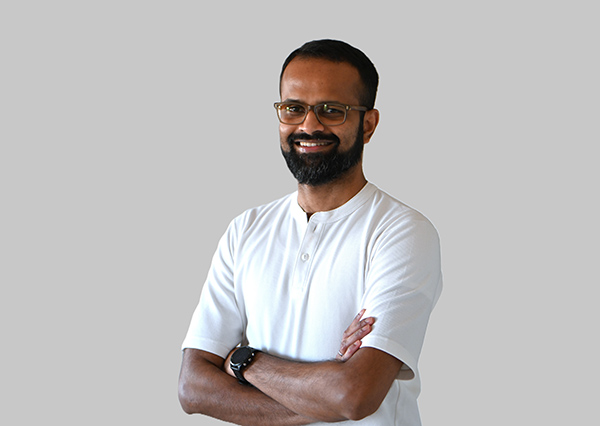
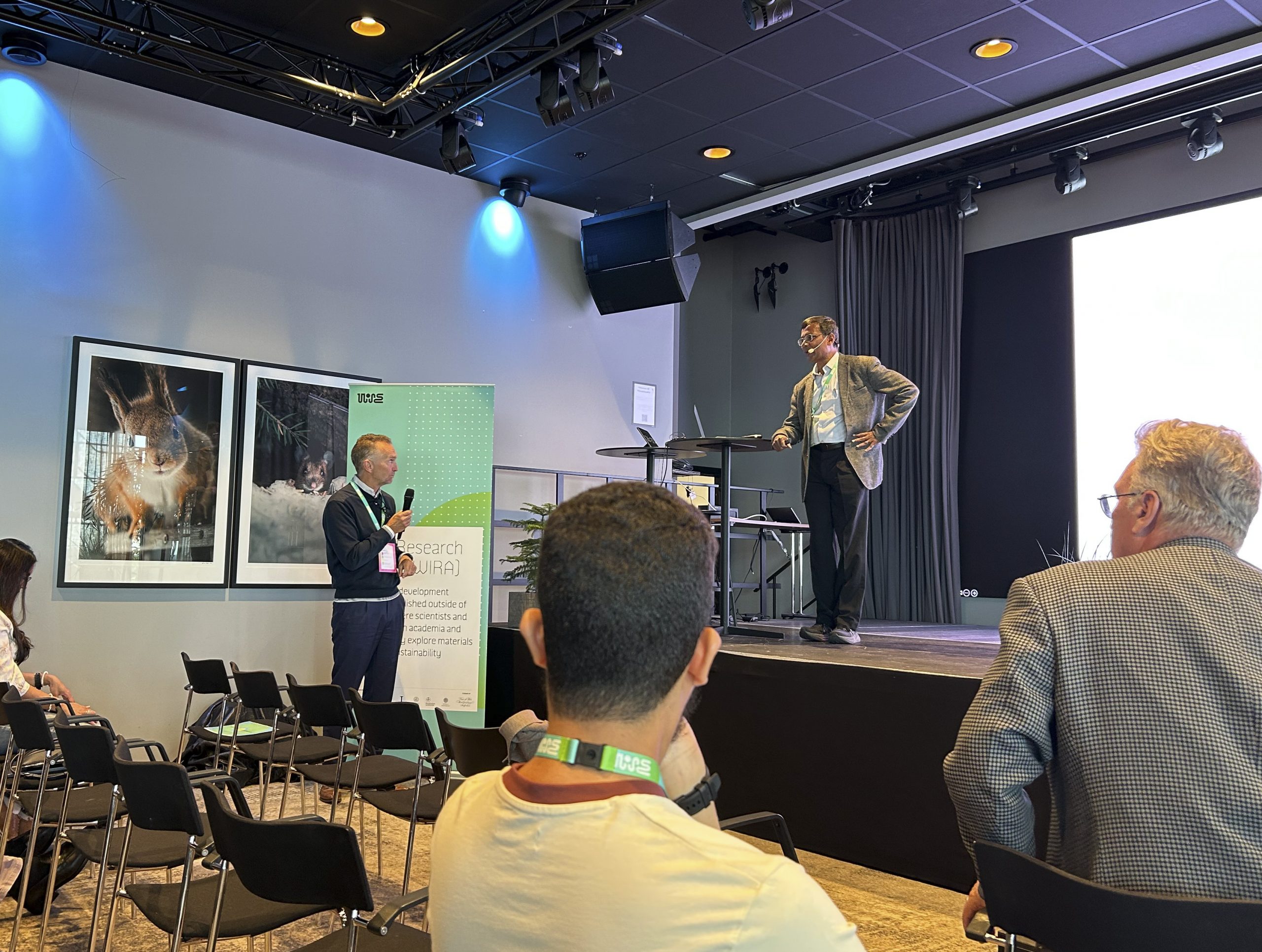
The second day of the WISE Welcome Meeting opened with an inspiring keynote lecture by distinguished Professor Dipankar Das Sarma, who introduced new PhD students and postdocs joining WISE to a fascinating class of materials: halide perovskites.
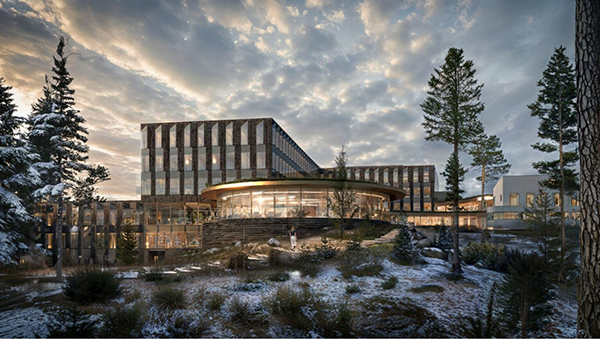
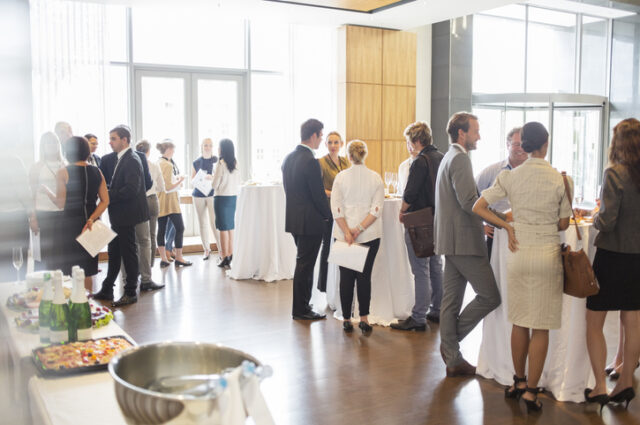
The WISE Welcome Meeting was held this year in Kolmården on 24–25 August. The second day of the meeting opened with an inspiring keynote lecture by distinguished Professor Dipankar Das Sarma, who introduced new PhD students and postdocs joining WISE to a fascinating class of materials: halide perovskites. According to Professor Sarma, halide perovskites are a “new playground for material discovery.” These remarkably versatile materials can exhibit a wide range of electronic, optical, and energy-related properties, making them an exciting and rapidly evolving field of research.
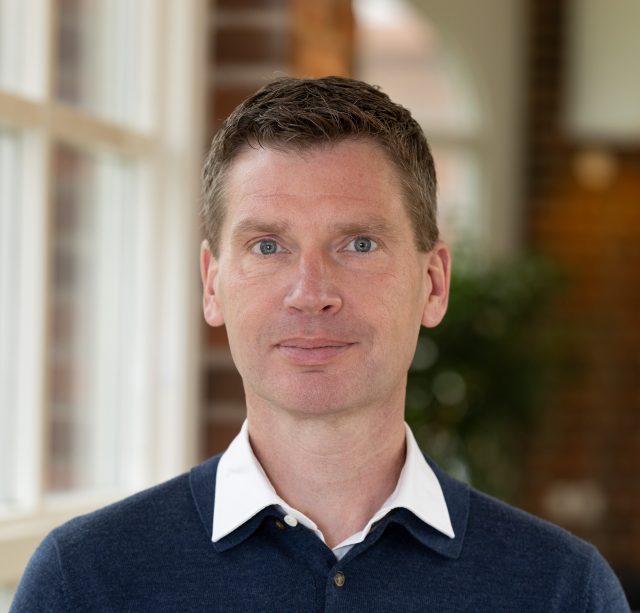
During the coffee break, we sat down with Professor Sarma to talk more about his presentation and his research. Professor Sarma is an ANRF National Science Chair and Emeritus Professor at the Indian Institute of Science in Bangalore, India. His research combines theoretical insights with experimental validation, often offering new perspectives on long-standing scientific questions or introducing entirely new concepts. A particular focus of his work is the electronic structure of materials: how electrons behave and interact within a material, ultimately determining many of its physical properties.
Discovering the unexpected
During his keynote, Professor Sarma presented some of his extensive research on halide perovskites and reflected on his long-standing fascination with these materials.
—I have studied these fantastic materials for the last 10–12 years, and I have mentored three generations of outstanding scientists in this field only, said Professor Sarma.
When we asked him what he finds most exciting about his research, his answer was immediate: the unexpected.
“For example, we started our research on these perovskites a bit away from optoelectronics (technology that connects electricity and light, like solar cells, light-emitting devices, detectors), which was, at the time, the main focus for these kinds of materials. Instead, we started looking at perovskites’ thermal conductivity. Then we realised how surprisingly low their thermal conductivities are and how by tuning the structure of these materials, we could modify their thermal properties.”
This insight opened a whole new range of possibilities. Professor Sarma and his research team modify the structure of perovskites by introducing organic and inorganic components between the layers of the material. This increases the distance between the atomic layers and can give the material a more pronounced two-dimensional character that differs from its usual three-dimensional structure.
The approach may sound highly complex, but Professor Sarma has a simple analogy:
“It is really like playing with Lego bits. You turn the pieces (the inorganic/organic molecules) until you see that they fit, and then you have constructed something new and exciting”.
A material with a memory
During his talk, Professor Sarma asked us to imagine transporting fish from one location to another. How can you be sure that the fish was kept at the right temperature throughout the journey? In other words, “How do I know if my fish is fresh?”
The analogy was used to understand the material’s ability to “remember” its temperature history: a key to answer the question. Thanks to the combination of organic and inorganic components, even a tiny temperature change of just 1 K can leave a detectable mark in the material. Additionally, if you use hydrophobic molecules, you can even make the material water resistant.
Bringing new ideas to WISE
Professor Sarma is a WISE Invited Professor at Uppsala University, where he is hosted by Professor Håkan Rensmo. He will be in Uppsala until the end of August. Please check our website to find out when Professor Sarma will be visiting Sweden again.
To learn more about our WISE Invited Professor visit: