
14 Oct 2026
4 Jun 2026
Meet people at WISE: Niclas Svensson
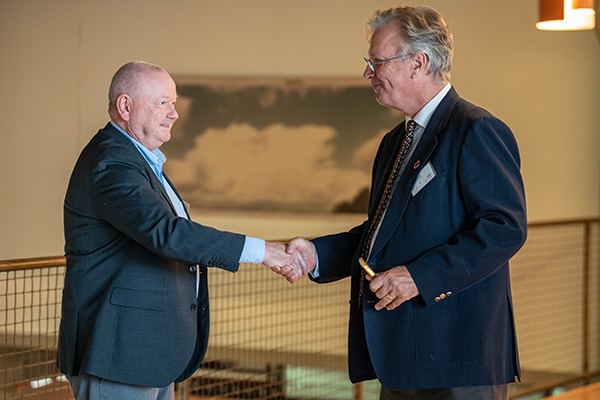
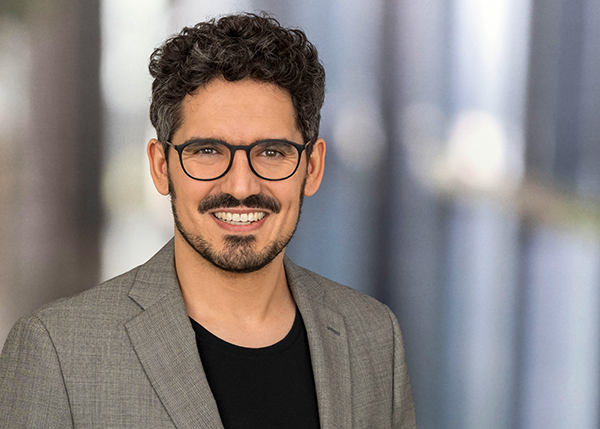
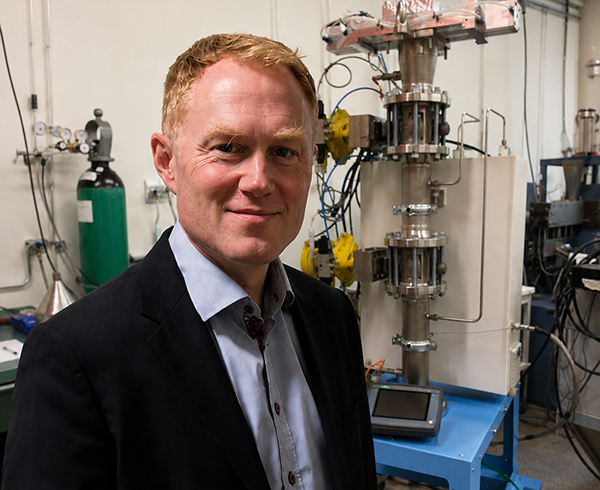
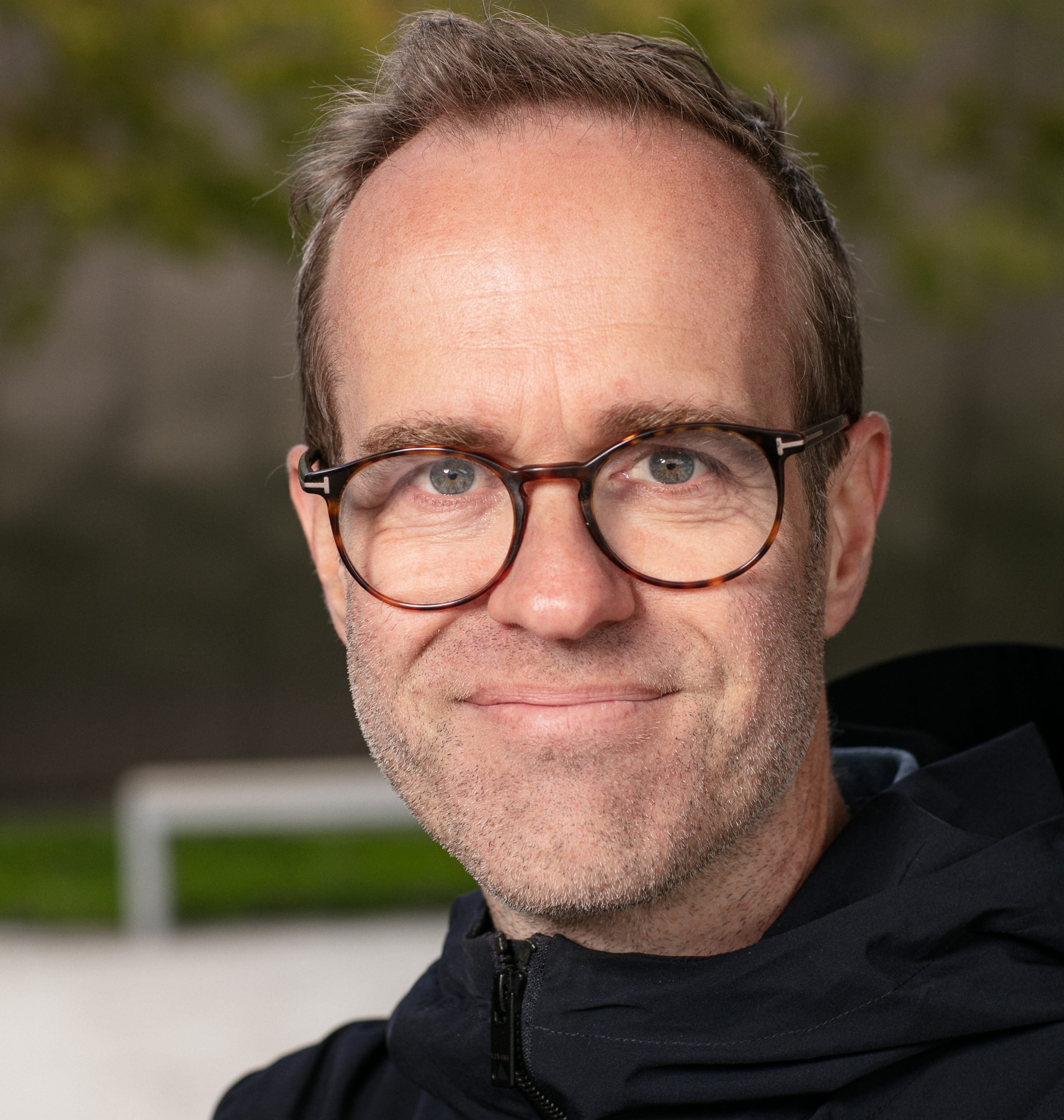
“My best advice is simple: think before you buy. Many of the products we purchase today ultimately end up very quickly in our waste streams”, says WISE co-Director for Sustainability, Niclas Svensson.
Credit: Pontus Johansson.
WISE has appointed Niclas Svensson as its new co-Director for Sustainability, reinforcing its commitment to advancing sustainability across its activities. Svensson, associate professor at Linköping University, is an experienced researcher in environmental systems analysis. His recent work has focused on resource-efficient biogas systems and the recovery of untapped material resources from urban environments and landfills, with the aim of returning these valuable materials to productive use within a circular economy. Niclas brings to WISE a distinguished track record of research spanning sustainability, and resource efficiency.
We sat down with Niclas to discuss his new appointment and explore how he plans to support WISE in fulfilling its mission.
What is your research about?
I am a sustainability specialist, and my career began at Linköping University, where I earned a master’s degree in applied physics and electrical engineering. Even then, I was drawn to environmental issues, which led me toward the intricacies of life cycle assessments (LCAs).
Over the past two decades, I have helped develop new approaches to assess the sustainability of emerging concepts for resource recovery from landfills and urban environments, such as landfill mining and urban mining. My research explores how materials that have accumulated underground, whether in landfills or within our cities as a result of everyday human activities, can be recovered and brought back into use. For each case we try to understand when the environmental and societal benefits of recovering and reusing these “hibernating” materials outweigh the economic advantages of relying on virgin raw materials. I have also held the role of research area leader for sustainability assessments of biogas solutions at the Swedish competence center Biogas Solutions Research Center.
Why did you get interested in joining WISE?
What intrigued me about WISE was its ambition to integrate sustainability considerations into materials science research from the very beginning. In the past, I have been involved in several materials science projects, but often only at a later stage, when researchers were evaluating the potential for scaling up a new technology or pursuing patent applications. By that point, it is often clear that more resource-efficient solutions or more informed decisions could have been achieved if sustainability questions had been considered earlier in the process. Key questions such as which direction to follow and which parameters are most relevant, need to be raised at a much earlier stage of research and development. I saw an opportunity to contribute to embed these considerations from the outset. That is what makes WISE so compelling to me.
What is your role in WISE?
WISE Sustainability Director Joseph Samec and I began our appointments at the same time. One of our first assignments was to contribute to the final stages of developing the WISE tool ASSIST, which is designed to help researchers assess the sustainability impact of their projects. It was a very intense period to join the initiative, but also an exciting one. ASSIST was initially developed with PhD students in mind, but it has since been expanded to also support principal investigators (PIs) in preparing research proposals. My role is also to help educate and support PIs. Looking ahead, we are exploring how artificial intelligence could be responsibly integrated into ASSIST. However, this requires careful consideration, including the development of our own knowledge data base and addressing important legal and ethical aspects before moving forward.
What can people at home do to contribute to a more sustainable world?
My best advice is simple: think before you buy. Many of the products we purchase today ultimately end up very quickly in our waste streams. Even when items are returned, there is no guarantee they will re-enter the supply chain; in some cases, they may be discarded instead. Raising public awareness about sustainability is therefore essential.