
14 Oct 2026
19 May 2026
Shaping the Future of Sustainable Composites
A successful partnership between CelluXtreme, KTH, and WISE is redefining what sustainable materials can achieve and deliver.
Together, the teams are developing high performance composite materials that could dramatically reduce environmental impact across multiple industries. Their work blends excellence in materials science with real world innovation, bringing new bio-based fibre technology closer to commercial reality.
CelluXtreme initiated the collaboration after seeking deeper insight into how their newly developed fibre would behave as a reinforcement material in lightweight composites. KTH carried out two master’s theses to investigate the fibre’s performance, which helped pinpoint the key scientific challenges.
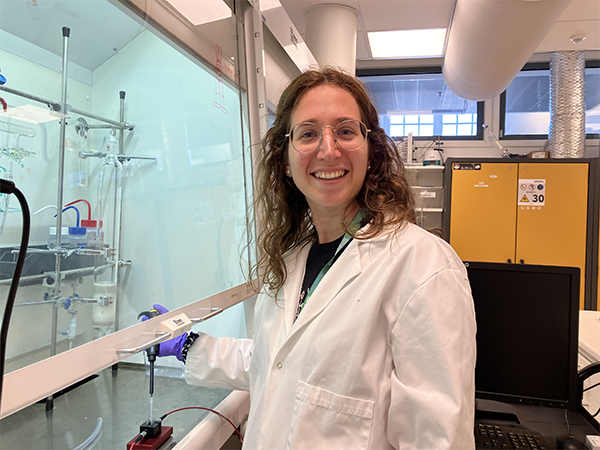
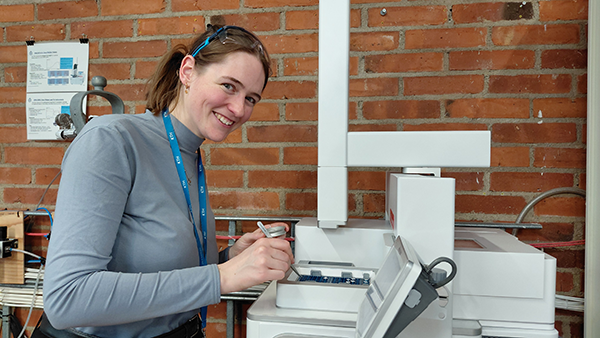
One of the students, Sabrina Assenheimer, emerged as a strong candidate for further research. CelluXtreme hired her immediately after graduation before the WISE application was submitted, which reflects both her talent and the strategic importance of the work. This formed the foundation of the now ongoing WISE-funded collaboration.
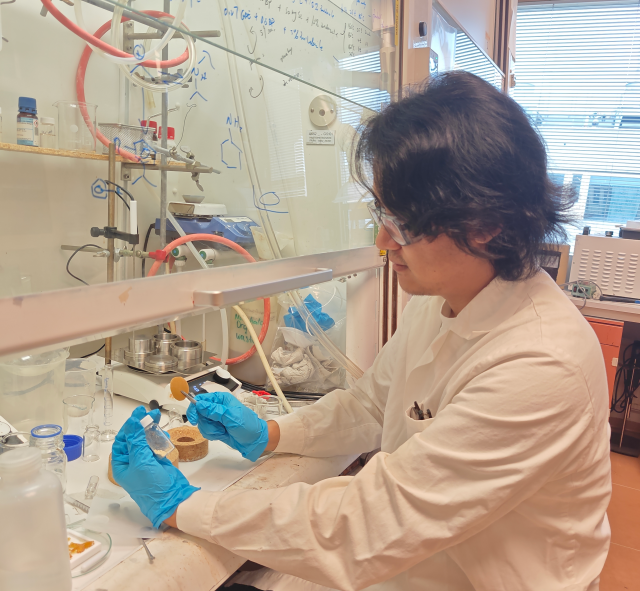
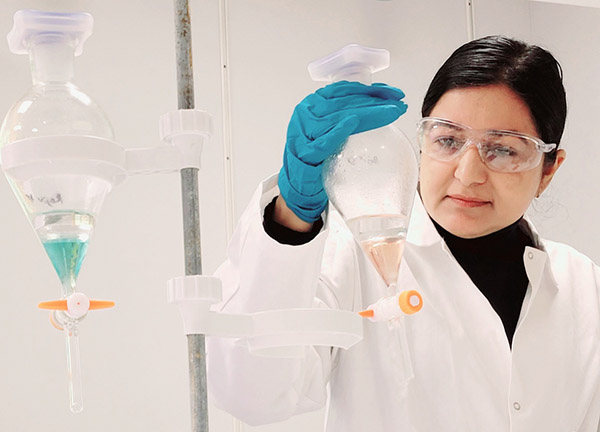
-This PhD position is a great opportunity for me. It allows me to pursue academic research with a direct connection to real-world applications. The strong network across KTH, industry through CelluXtreme, and WISE represents a unique combination that offers exceptional opportunities. It enables me to contribute to real-world applications and to accelerate the transition to high‑performance bio‑based composites for a more sustainable future, says Sabrina Assenheimer, PhD student at KTH Royal Institute of Technology.
The research team is exploring fundamental questions about material performance:
- What does the interaction between CelluXtreme’s reinforcement fibre and a resin look like?
- How does this interaction influence composite strength and durability?
- And because natural fibres are hygroscopic, how does moisture affect the fibre–resin interface?
These insights are crucial for designing next‑generation sustainable composites.
Reducing environmental impact
The project brings together material, chemical, and process innovations to build a more sustainable composite ecosystem. CelluXtreme’s fibres originate from natural resources and require considerably less energy to produce than conventional reinforcement fibres.
A major insight from the project is that a strong fibre–matrix interface can be achieved without hazardous fibre sizing, potentially eliminating an entire category of chemicals used in composite manufacturing.
Multifunctionality that reduces waste
Later phases will explore how CelluXtreme fibres can replace multiple functionalities offered by a composite component, simplifying production and cutting material waste.
Together, these advancements support UN sustainability goals 8 (decent work and economic growth), 9 (industry innovation and infrastructure), 12 (responsible consumption and production), and 13 (climate action).
Which industries or products could benefit most
The technology shows strong promise in sectors with growing demand for lightweight and sustainable materials:
- Electrification
- Cleantech
- Aerospace
These industries rely on high‑performance composites and are under pressure to reduce waste and their carbon footprints, making them ideal beneficiaries of this research.
Collaborations between universities and deep‑tech startups will be critical in accelerating sustainable innovation. Academic institutions bring scientific expertise, while startups can rapidly commercialize new ideas. For the public, the benefits will come in two ways:
- Better products: multifunctional biobased composites, recyclable materials, and low‑carbon manufacturing.
- More participation opportunities: through citizen science, open innovation platforms, and sustainability‑focused education.
These elements together help society transition toward more responsible material use.
The team is now exploring multifunctional and self‑healing composites, with CelluXtreme fibres enabling these advanced capabilities. These innovations could open the door to entirely new design possibilities in future materials.
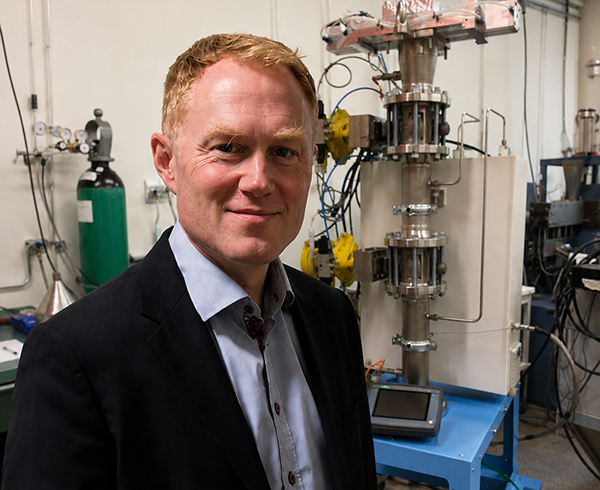
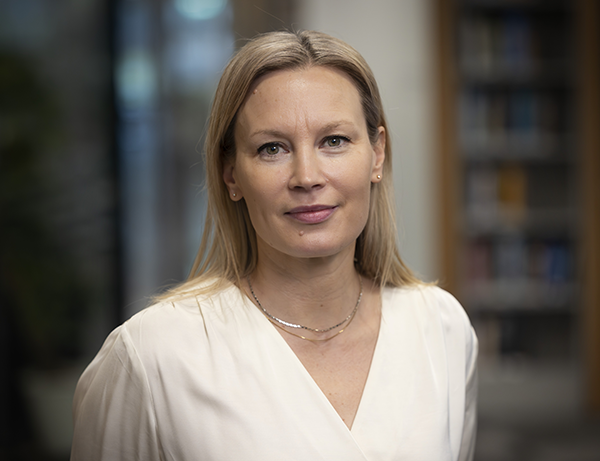
-I’m motivated by the chance to contribute to sustainability at a much larger scale than personal behavior alone can achieve. Through science, I can help shape solutions that influence industries and make a lasting environmental impact, says Karl Håkansson,
Global sustainability challenges such as fossil fuel dependence and low rates of material recycling are deeply connected to the materials we rely on every day. While better design can improve efficiency, it cannot fully address the problem if the materials themselves remain fossil-based or difficult to recover and reuse.
This project addresses that challenge directly. By focusing on renewable fibres and non-toxic processing, the team is creating solutions with the potential to transform industries and enable more circular material flows.