22 Oct 2026
23 Jun 2026
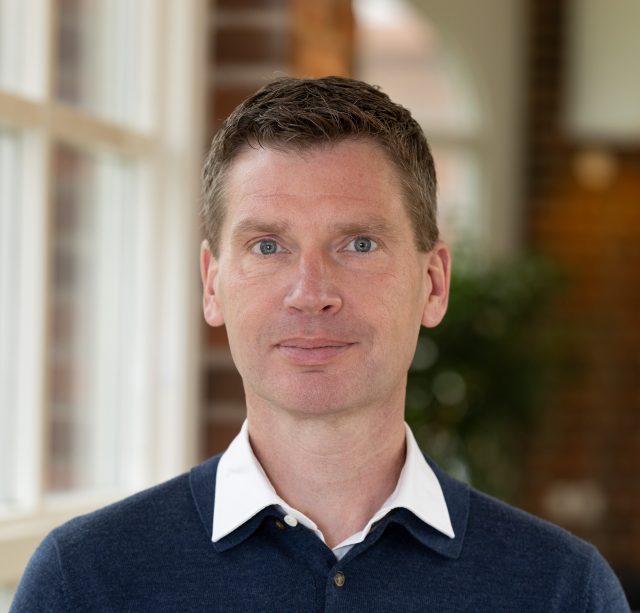
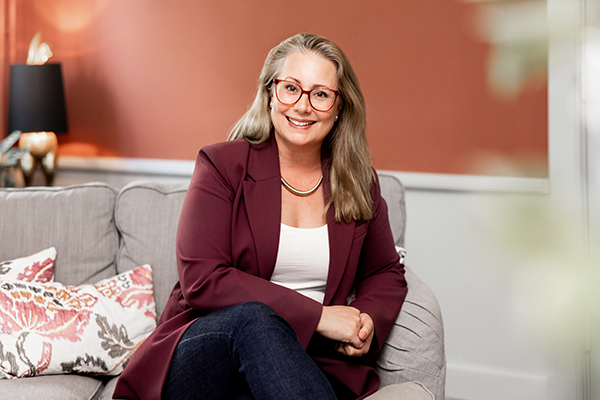
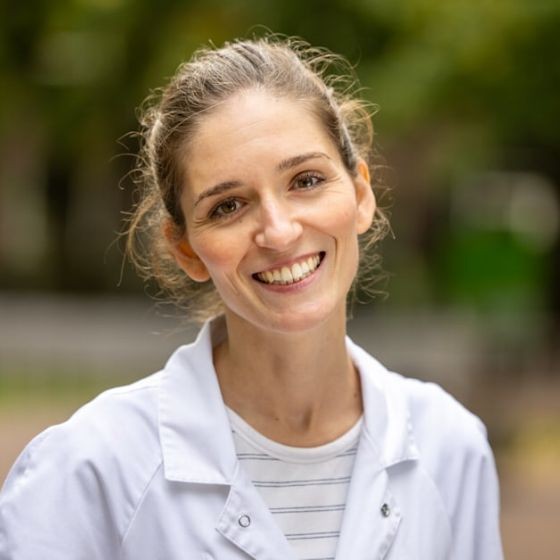
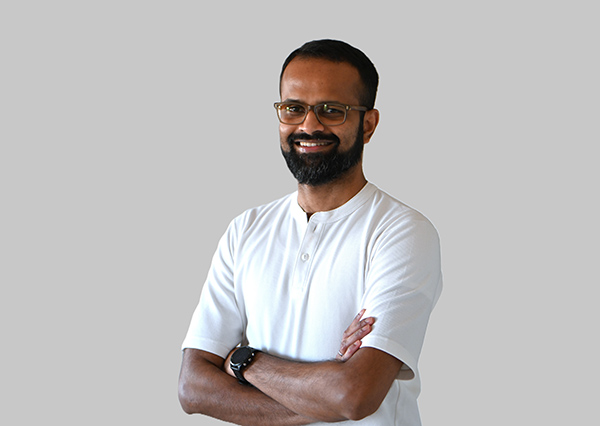
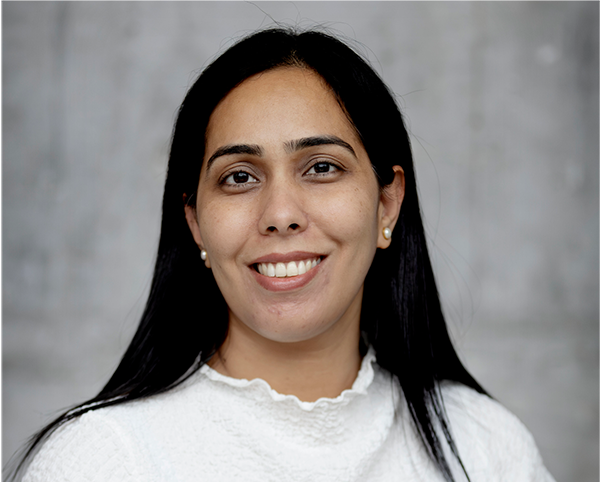
Meet our WISE Invited Professor Magdalena Titirici
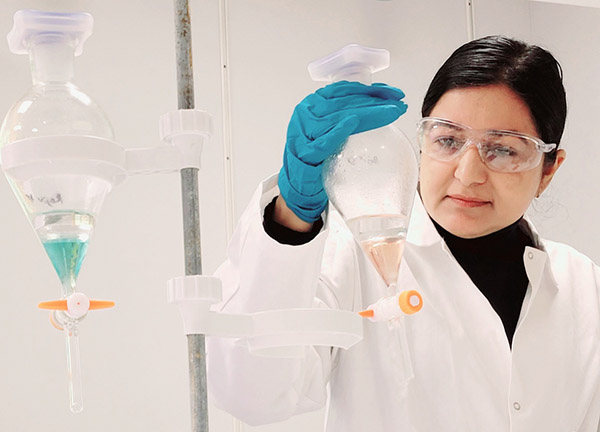
“Sustainability is the central theme of my research. Rather than focusing only on performance, we aim to develop technologies that are sustainable from the materials level all the way to manufacturing and end-of-life”, says Magdalena Titirici, Professor at the Imperial College London and WISE Invited Professor.
Through its Invited Professor Program, WISE strengthens global research partnerships by welcoming distinguished scientists from around the world to collaborate and share their expertise with the WISE community. On this occasion, WISE is pleased to welcome Professor Magdalena Titirici from Imperial College London. She leads a large and highly diverse research team that develops next-generation energy-storage technologies beyond lithium-ion batteries. Her group also advances electrocatalytic technologies for the production of fuels and chemicals using renewable electricity.
What are your current research field and main research activities?
My research focuses on developing sustainable materials and electrochemical technologies that can accelerate the transition to a net-zero society. At the heart of my work is a simple question: how can we store renewable electricity and produce sustainable chemicals using abundant resources, while minimizing environmental impact throughout the entire lifecycle?
My group develops next-generation batteries beyond lithium-ion, including sodium-ion, sodium-metal and multivalent battery systems, as well as electrocatalytic technologies for producing fuels and chemicals from renewable electricity. A particular focus is on designing materials from sustainable sources such as biomass, waste plastics and earth-abundant elements. We combine materials synthesis, advanced characterization, electrochemistry, automation and artificial intelligence to understand how materials function and to accelerate the discovery of more sustainable technologies.
What are the sustainability aspects of your research?
Sustainability is the central theme of my research. Rather than focusing only on performance, we aim to develop technologies that are sustainable from the materials level all the way to manufacturing and end-of-life.
Our work seeks to reduce dependence on critical raw materials, replace scarce elements with abundant alternatives such as sodium, develop carbon materials derived from biomass and waste streams, and create circular approaches that transform waste into valuable products. We also investigate recycling pathways and new routes for converting plastic waste into battery materials and chemicals. By integrating life-cycle thinking into materials design, we aim to ensure that future energy technologies are not only efficient but also environmentally and socially responsible.
What benefits might your research bring to society in the future?
Affordable and sustainable energy storage will be essential for the widespread deployment of renewable energy and the decarbonization of transportation, industry and the built environment. My research aims to contribute to this transition by developing battery technologies based on abundant materials and by creating new routes to produce sustainable fuels and chemicals.
Beyond enabling cleaner energy systems, our work could help establish circular manufacturing models in which waste becomes a valuable resource rather than an environmental burden. In the future, I hope our research will contribute to technologies that are not only high-performing but also affordable, scalable and accessible globally, supporting both climate goals and resource security.
What inspired you to become a researcher?
I often joke that becoming a chemist was my first act of rebellion. My father was a nuclear physicist, so I grew up surrounded by scientists, researchers and endless discussions about science. While I inherited his curiosity about how the world works, when the time came to choose my own path, I deliberately picked chemistry over physics simply to be different. What started as a youthful attempt at independence quickly turned into a lifelong passion.
My scientific journey has been guided as much by serendipity as by planning. As an chemistry undergraduate, I was initially drawn to organic chemistry. I loved designing molecules on paper and imagining elegant synthetic routes. In the laboratory, however, I discovered a small problem: I was far too impatient. Spending months making milligrams of a compound and running endless columns and distillations taught me that while I admired organic chemists greatly, I was probably not destined to become one.
During my master’s studies, I discovered materials science through projects in condensed matter physics and ferroelectric materials. I was fascinated by the idea that when atoms and molecules come together, they can create entirely new properties that are far greater than the sum of their parts. This led me to pursue a PhD on molecularly imprinted polymers—often described as artificial enzymes—which perfectly combined chemistry, materials science and separation.
The next turning point came almost by accident during my postdoctoral research. While working on biomass conversion and sustainable chemistry using separation materials developed in my PhD, I discovered that biomass could be transformed into carbon materials in water under relatively mild temperatures and pressures. What started as an unexpected observation became a major research direction and the foundation of much of my career. I often tell my students that some of the most exciting discoveries happen when you are looking for something else entirely. Carbon materials naturally led me into electrochemistry, batteries and electrocatalysis.
Today, my motivation remains the same: combining scientific curiosity with societal impact. My research focuses on sustainable materials for batteries, energy storage and chemical production, with the goal of helping accelerate the transition to a net-zero society. Looking ahead, I am particularly excited by the next frontier of scientific discovery—bringing together robotics, automation and artificial intelligence to create autonomous laboratories. Having spent my career following unexpected discoveries, the prospect of building systems that can help us discover the next generation of sustainable materials even faster is incredibly exciting. After all, if serendipity has served me so well so far, perhaps AI can help us find even more of it.
Biography
Magdalena Titirici studied Chemistry at the University of Bucharest before undertaking doctoral research jointly at Johannes Gutenberg University Mainz and TU Dortmund University, where she completed her PhD. She then joined the Max Planck Institute of Colloids and Interfaces as a postdoctoral researcher and subsequently established her own independent research group. During this period, she also completed her Habilitation.
In 2013, she moved to the United Kingdom to join Queen Mary University of London, where she was appointed Professor of Sustainable Materials Chemistry. Since 2019, she has held the position of Chair in Sustainable Energy Materials at Imperial College London. Throughout her career, she has worked at the intersection of chemistry, materials science, and chemical engineering, driven by a commitment to developing sustainable solutions for the world’s energy and environmental challenges.