12 Nov 2026
17 Nov 2026
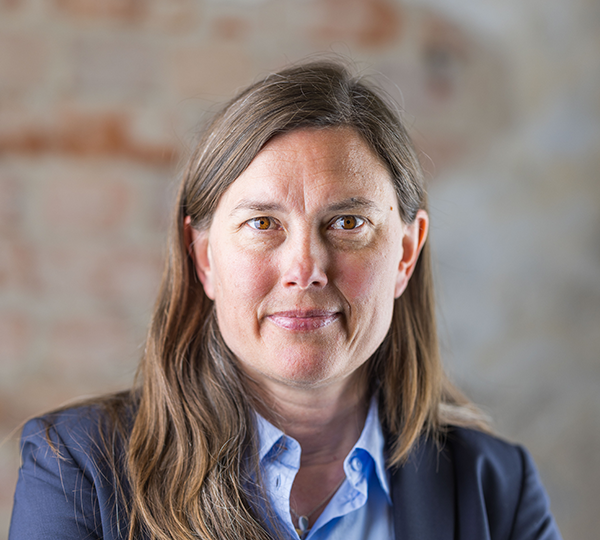
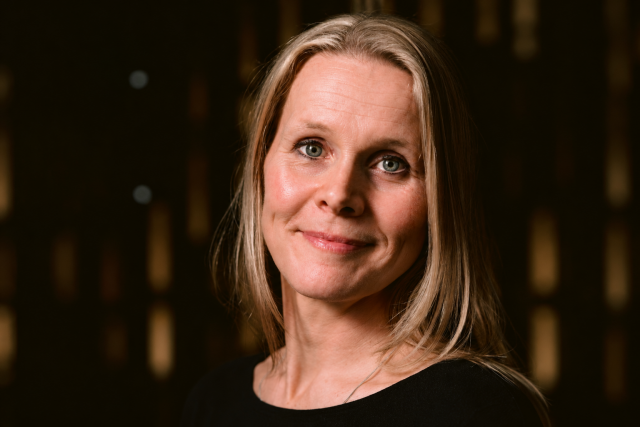
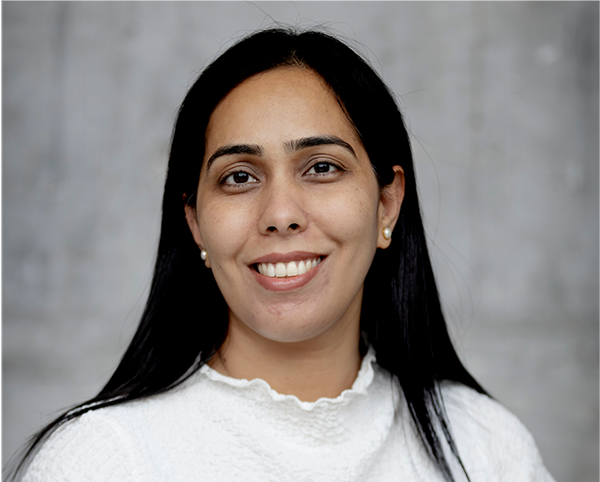
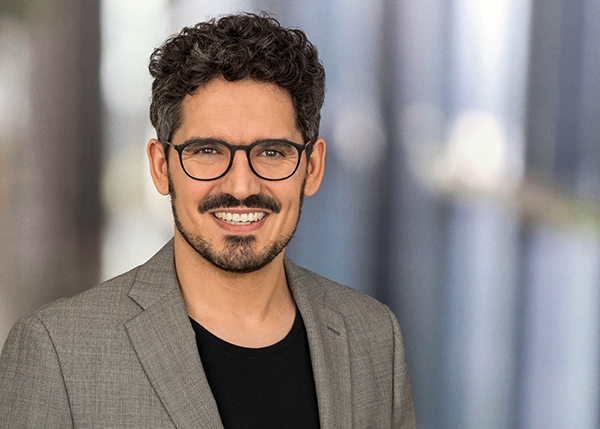
Meet the people of WISE Networking Days 2026: Kamellia Dalaei
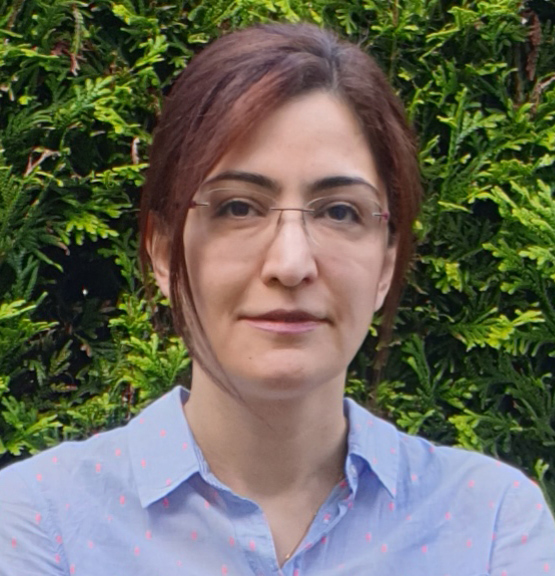
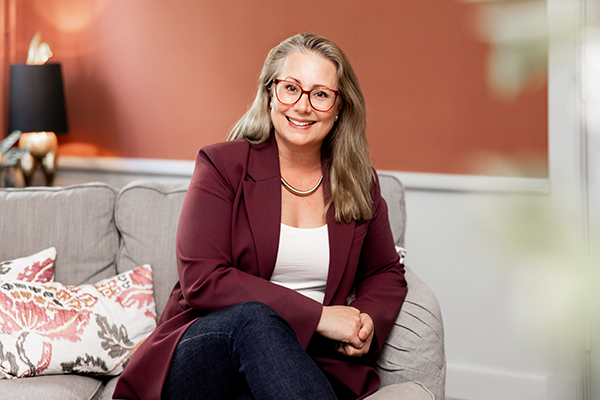
What does industry need from materials research, and where can academia make the greatest difference? Ahead of WISE Networking Days 2026, we talk to Kamellia Dalaei, Manager of Sustainability & Strategic Research at SKF’s Research & Technology Development (RTD) in Gothenburg, about circular materials, fossil-free lubrication, AI and the value of long-term collaboration.
What are the most important challenges or opportunities you currently see for the industry?
The big opportunity is to cut CO₂ emissions without compromising performance or reliability. For us, a few challenges stand out:
- Understanding hydrogen embrittlement as machines become hydrogen-ready
- Developing fossil-free lubricants that still deliver the required lifetime and performance
- Using coatings and surface repair to enable components to be remanufactured instead of scrapped
- Developing ceramics for lighter, electrified machines
Underlying all of these is the need for predictive models that allow us to design components for longer lifetimes and reduce the need for physical testing.
Collaboration between industry and academedia
From an industry perspective, what makes collaboration with academic researchers valuable?
Academia brings depth that we can’t build in-house, fundamental understanding, new methods and fresh ways of thinking. We bring real application conditions, test data and a route to impact. Successful collaborations have three things in common, a clearly shared question, long-term commitment on both sides, and close, regular contact between researchers and our engineers.
Our University Technology Centres at Imperial College London, INSA Lyon and the University of Twente show what long-term partnerships can deliver.
What kinds of research or expertise are you particularly interested in connecting with at WISE Networking Days?
I’m particularly interested in meeting materials scientists, metallurgists and chemists working on circular and low-CO₂ steel, hydrogen-material interactions, bio-based lubricants, coatings and additive repair, and ceramics.
I’m also keen to meet researchers working with materials modelling, data and AI who can connect microstructure to the remaining lifetime of a component.
The needs of the industry
What do you think researchers and PhD students should understand about the needs and priorities of industry today?
Industry needs answers it can act on. That means connecting new science to a real use case, being clear about what is still uncertain, and thinking about scale-up and cost early.
Sustainability is now a design requirement, not an add-on. A result that delivers both performance and a lower footprint is extremely valuable. And talk to us early. The best projects are shaped together from the start.
Looking ahead five to ten years, what developments in materials science are you most excited about?
I’m most excited about three developments:
- Truly circular materials: steel and ceramics that maintain their performance through many cycles
- Fossil-free lubrication
- Combining physics-based models with AI: models that predict how a material will behave over a component’s entire lifetime could change how we design, test and maintain machines, helping us get much more from far fewer resources