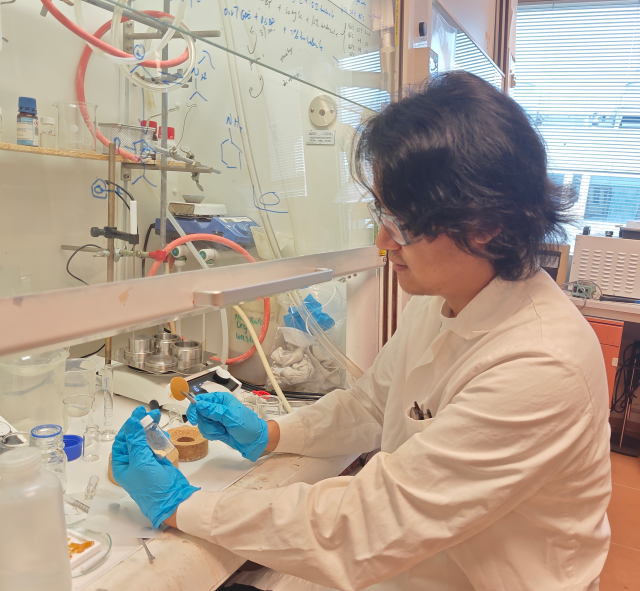
2 Nov 2026
2 Nov 2026
Hidden and forgotten 2D materials are discovered with AI
With the help of artificial intelligence, researchers at Linköping University have found previously overlooked occurrences of the 2D materials MXenes in older databases.
Text by Anders Törneholm
The findings have inspired the researchers to create new materials with more sustainable synthesis methods than before. The results, published in the journal Science, open up new applications for MXenes.
“We need to look both backwards and forwards to accelerate materials science. There’s so much information in the literature that we’re not aware of. We as researchers sometimes reinvent the wheel and claim to have made great discoveries – but then it turns out they were already made in Germany, for example, in the 1970s,” says WISE-affiliated researcher Johanna Rosén, Professor of Materials Physics at Linköping University, LiU.
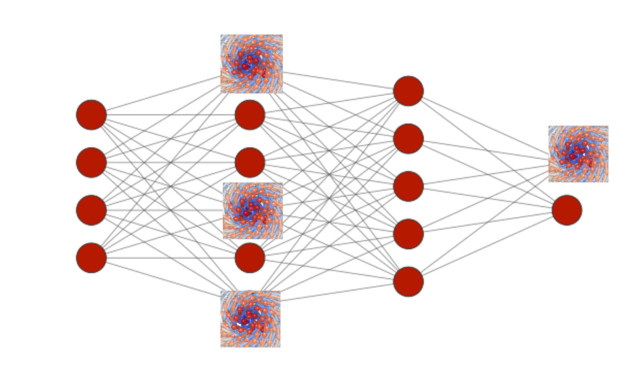
Her research group, together with colleagues in Estonia and Finland, has used AI to search materials databases and identify already created MXenes that the research field has not been aware of.
Thin materials
MXenes is a family of materials that was discovered as recently as in 2011. Basic MXenes consist of a metal in combination with either carbon or nitrogen atoms. However, the most important thing is their structure – MXenes consist of only a few atomic layers, which gives an extremely large surface area in relation to weight.
In total, the researchers were able to identify 33 already existing MXenes. Inspired by their findings, they also created 11 new ones. Johanna Rosén explains that the project has been unofficially called the Treasure Chest Project by the researchers involved.
“The literature and databases are treasure troves – you just have to open the lid and see what’s there.”
Applications in sustainability
MXenes can be layered on top of each other, and a film only a few millimetres thick may contain several million layers of the material. Between the layers, a lot of different chemical reactions may take place that depend on the composition of the MXenes. This gives the materials properties that may be suitable for e.g. water purification, energy storage, telecommunications, biomedicine and other things that the researchers have not yet investigated.
“MXenes can have a wide range of useful properties, many with potential applications in sustainability. Discovering new compositions gives us the opportunity to explore even more possibilities for how these materials can be used,” says Ali Saffar Shamshirgar, researcher at LiU and first author of the article published in Science.
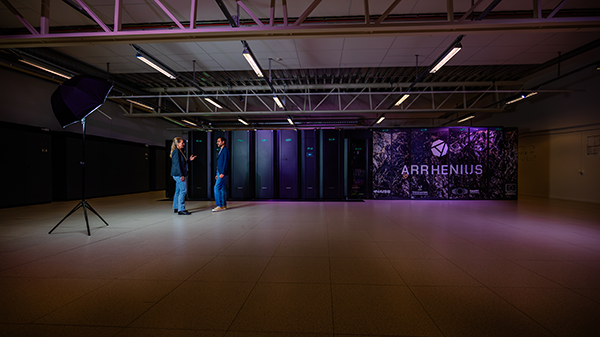
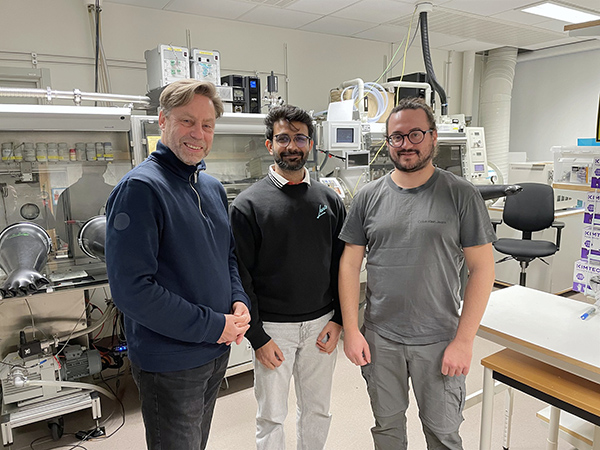
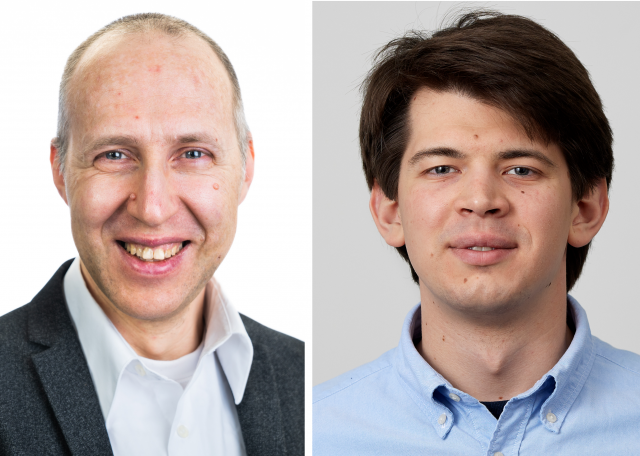
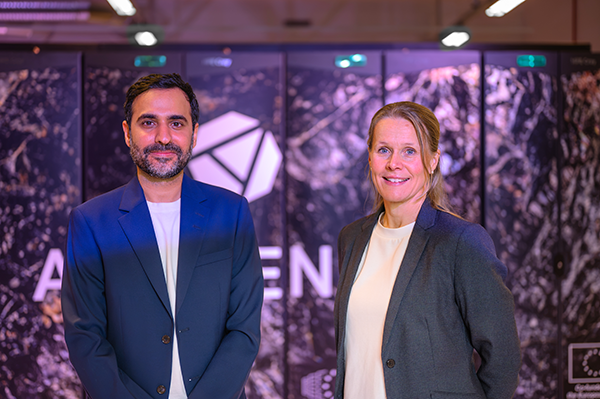
Together with colleagues researchers Johanna Rosén and Ali Saffar Shamshirgar have used AI and supercomputers to discover new and forgotten MXenes. Photo by: Olov Planthaber
Easier to make
One of the most important findings in the current study, in addition to the new materials, concerns the manufacturing methods. The research team has managed to create the MXenes in a completely new way without external heating in just a few seconds. The new method requires significantly fewer hazardous chemicals and less water compared to previously. According to Johanna Rosén, there is a lot happening on the research front when it comes to the synthesis of MXenes, which means that manufacturing can be scaled up.
“I think it’s the scaling up that will push MXenes over the edge to actually being significantly more used in different applications.”
In addition, the research team has shown that rare earth metals can replace metals in the MXenes, which means that they can also become magnetic and thus broaden applications further.
The study was funded mainly by the European Research Council, the Swedish Research Council, the Knut and Alice Wallenberg Foundation, the Wallenberg Initiative Materials Science for Sustainability (WISE) and the Estonian Research Council. The calculations were made possible via the National Academic Infrastructure for Supercomputers in Sweden (NAISS) and analysis via the Swedish national research infrastructure for advanced electron microscopy (ARTEMI).
Article: Data-driven discovery and rapid, direct synthesis of MXenes, Ali Saffar Shamshirgar, Guilherme Ribeiro Portugal, Soheil Ershadrad, Roman Ivanov, Martin Dahlqvist, Florian Chabanais, Sanjay Chakraborty, Rainer Traksmaa, Topias Jussila, Maarit Karppinen, Irina Hussainova, Fredrik Heintz, Per O.Å. Persson, Johanna Rosen, Science 2026. Published online on 29 October 2026. DOI: 10.1126/science.aeh5957