18 Nov 2026
19 Nov 2026
Meet the WISE Fellows – Marshet Getaye Sendeku
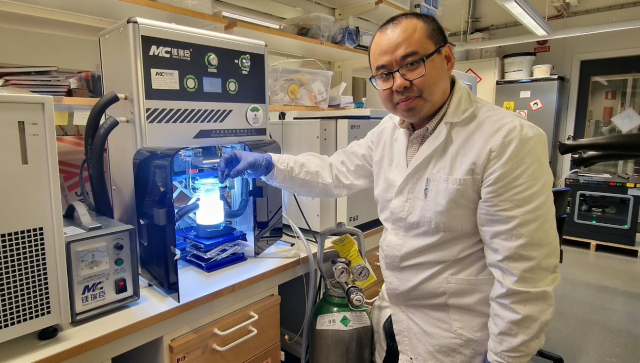
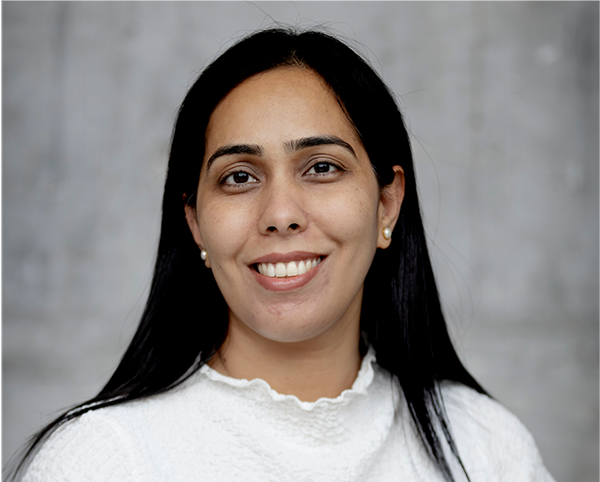
In this series of interviews, you will meet the WISE Fellows. This time, we introduce Marshet Getaye Sendeku, who joined Luleå University of Technology (LTU) as a WISE Fellow and Senior Lecturer in Experimental Physics. Marshet Sendeku holds an MSc in Physical Chemistry from Haramaya University, Ethiopia, where he researched photocatalytic wastewater treatment, and a PhD in the same field completed in 2022.
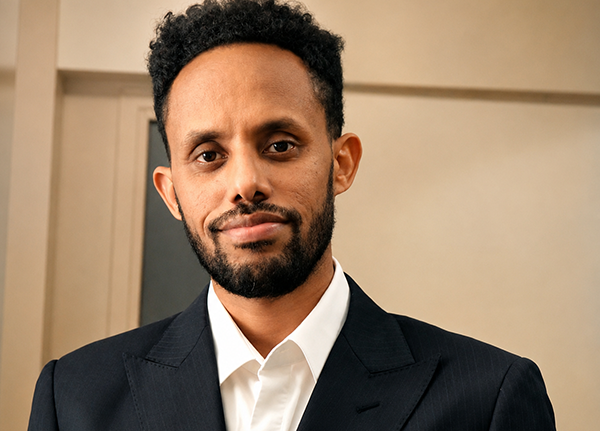
Marshet subsequently held postdoctoral positions at Tsinghua University in China and LTU in Sweden. His research focuses on advanced materials for energy conversion and storage.
What attracted you to WISE, and what made you decide to join the programme?
WISE has an ambitious vision of creating a more sustainable future through advances in materials science. This aligns closely with my interest in combining fundamental research with practical solutions to societal challenges. I was particularly attracted by its interdisciplinary network, which connects researchers, universities, research infrastructures such as LUMIA and MAX IV, and industrial partners across Sweden. I see WISE as an excellent opportunity to establish an independent research programme and develop collaborations that can contribute to sustainable materials and technologies.
Can you tell us about your research and what you find most exciting about it?
My research focuses on transforming waste materials and abundant resources, such as water, biomass, oxygen, and urea, into valuable chemicals and fuels using photocatalytic and electrochemical processes. I work on designing functional nanomaterials and understanding their behaviour under real operating conditions using advanced operando characterization techniques.
What excites me most is the connection between fundamental science and real-world applications. Understanding how small changes in material structure influence catalytic performance can help us develop more efficient energy conversion and chemical production technologies.
Real-world impact
How do you think your research could benefit society in the future?
Many chemicals used in everyday life are produced through energy-intensive processes that rely on fossil resources and contribute to greenhouse gas emissions. My research aims to develop more sustainable alternatives by using renewable energy and abundant resources for chemical production. In the long term, these efforts could contribute to lower emissions, improved resource efficiency, and a more circular economy.
Are there any specific industries, technologies, or applications where you see your research making an impact?
I see significant potential for my research in green hydrogen production, particularly through the development of efficient catalysts based on abundant and non-critical materials. This could support the transition towards low-emission steel production in northern Sweden, including industrial initiatives such as Stegra.
Other potential applications include carbon dioxide conversion, nitrate removal and valorization, biomass upgrading, and electrochemical recycling of waste plastics. Collaboration with industry will be essential to translate these research developments into practical technologies.
Becoming a scientist
When did you first become interested in research, and what inspired you to pursue a research career?
I first became interested in research during my undergraduate studies when I undertook a bachelor’s degree research project in my final year. This experience sparked my curiosity, which continued to grow during my master’s studies and later through my work as a lecturer and laboratory director at Jigjiga University in Ethiopia. These experiences inspired me to pursue doctoral and postdoctoral research and build a career combining scientific discovery, teaching, and societal impact.
What motivated you to specialize in your particular research area?
I was motivated by the opportunity to connect fundamental physical chemistry with major challenges in energy and sustainability. I find electrocatalysis particularly fascinating because small changes in a material’s structure and surface properties can significantly influence its catalytic performance. This motivated me to investigate structure–activity relationships and reaction mechanisms under real operating conditions to help develop more efficient materials and technologies.
What do you hope to achieve through your research in the coming years?
In the coming years, I aim to contribute to sustainable materials and energy technologies, particularly green hydrogen production through direct seawater splitting. I am interested in developing efficient electrode materials based on abundant and non-critical elements that could support the green industrial transition in Norrbotten.
I also hope to develop durable catalysts and electrolyzers for converting renewable resources and waste streams into valuable chemicals. Through interdisciplinary research and industrial collaboration, my ambition is to translate fundamental scientific discoveries into practical solutions that contribute to a more sustainable society.