20 Nov 2026
22 Nov 2026
The new microscope, Iliad Ultra (S)TEM inaugurated at Linköping University
A new scanning transmission electron microscope has been inaugurated at Linköping University. The instrument is currently the only one of its kind in the world and gives researchers new opportunities to study materials down to the atomic level. For materials research at LiU, it represents a major technological leap forward.
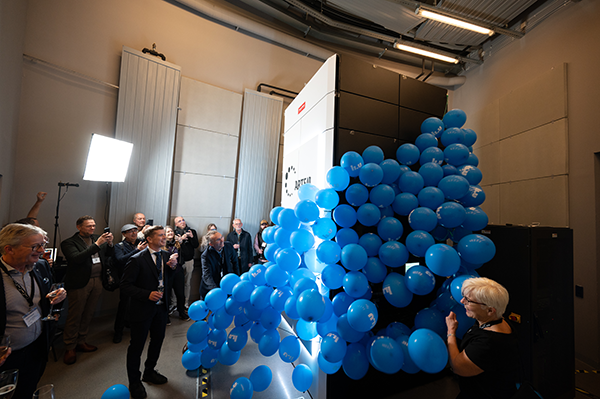
The new microscope replaces an older instrument and provides researchers with entirely new, and perhaps even as yet undiscovered, possibilities. Using the microscope, researchers can not only image individual atoms and atomic structures, but also identify the elements present in a material and study chemical bonds. This information is crucial for understanding the relationship between a material’s structure and its properties.
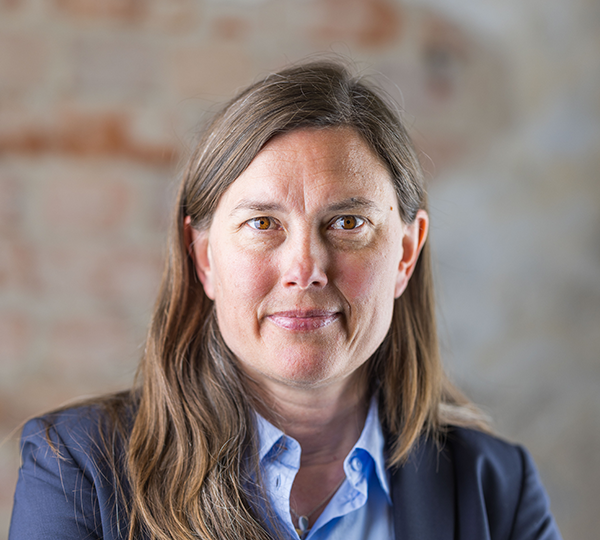
“We materials researchers use the microscope to study the structure of materials at the atomic level. It helps us understand why materials behave in a certain way and use our observations to design new materials with tailored properties,” says Per Persson, professor at LiU and director of ARTEMI, Sweden’s national research infrastructure for advanced electron microscopy.
The new microscope, known as the Iliad Ultra (S)TEM, is located in the Ångström Building at Campus Valla in Linköping and is part of the ARTEMI research infrastructure. Funding for the new microscope and ARTEMI comes not only from LiU but also from the Swedish Research Council (VR), Wallenberg Initiative Materials Science for Sustainability (WISE), and the Swedish Foundation for Strategic Research (SSF).
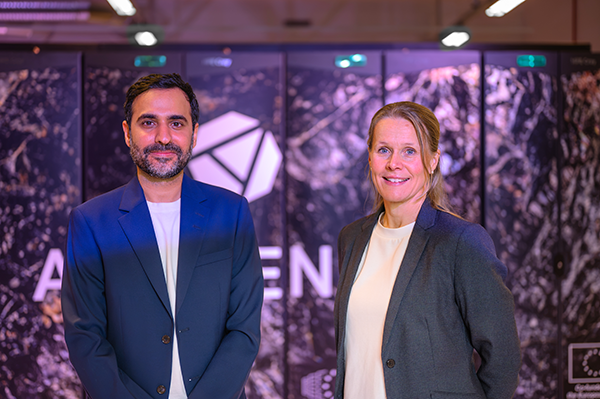
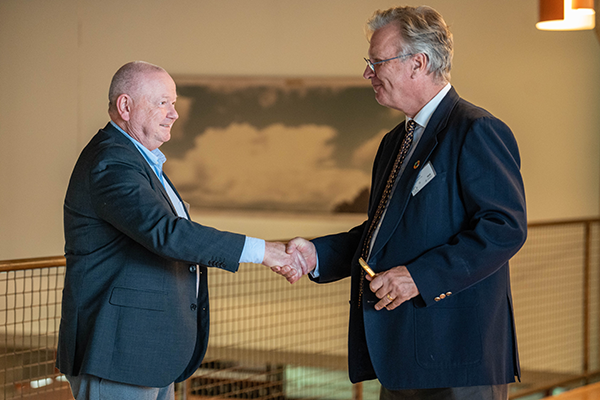
“This is extremely important, and it is a platform for collaboration rather than simply an instrument. It provides a way for researchers to meet, develop new methods and collaborate across university boundaries,” says Louise Ödlund, Deputy Vice-Chancellor for Research at LiU.
Strengthening Swedish materials research
ARTEMI is a national collaboration between Linköping University, Lund University, Stockholm University, Uppsala University, Chalmers University of Technology and KTH Royal Institute of Technology. The universities form nodes in a research infrastructure network. Through the network, researchers gain access to advanced instruments, methods and expertise in electron microscopy. For LiU, the new instrument also offers an opportunity to strengthen its already prominent position in materials research.
“The Swedish Research Council now expects them to lead the way in showing how infrastructure can serve as a platform for research. All the nodes within ARTEMI are important, and if they succeed in this, that will be a very positive development,” says Karin Markides, Chair of the Swedish Research Council’s Council for Research Infrastructures.
The new microscope is available to anyone who can scientifically justify its use. Many researchers already use this type of microscopy, but the hope is that their number will grow.
“This microscope gives our materials researchers a tool that will enable them to remain international leaders,” says Per Persson.
A major technological leap
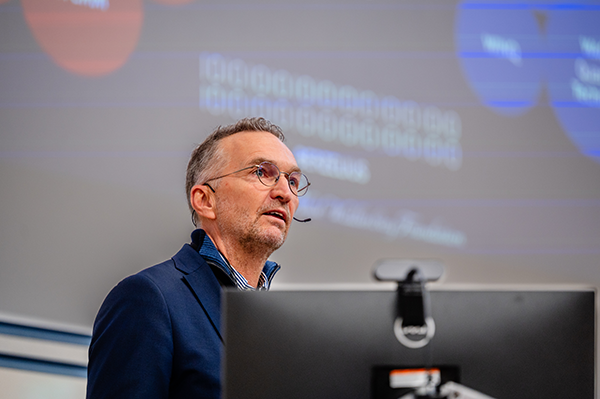
Magnus Berggren, Director of WISE. Photo by: Olov Planthaber, Linköping University.
The instrument can be used for research on everything from metal alloys, ceramics and semiconductors to polymers and composites. Its potential benefits to society are therefore considerable, says Magnus Berggren, director of WISE and professor of organic electronics. He explains that new materials are essential, particularly for advancing sustainability, but also for progress in climate research, energy, communications and the life sciences. “There is no doubt that advanced equipment and large-scale infrastructures are absolutely essential if we are to answer the questions facing materials science,” he says. “The ambition of WISE and this research programme is to be world-leading. To achieve that, researchers also need world-leading infrastructure, and this microscope certainly is that.”
Text by: Olov Planthaber