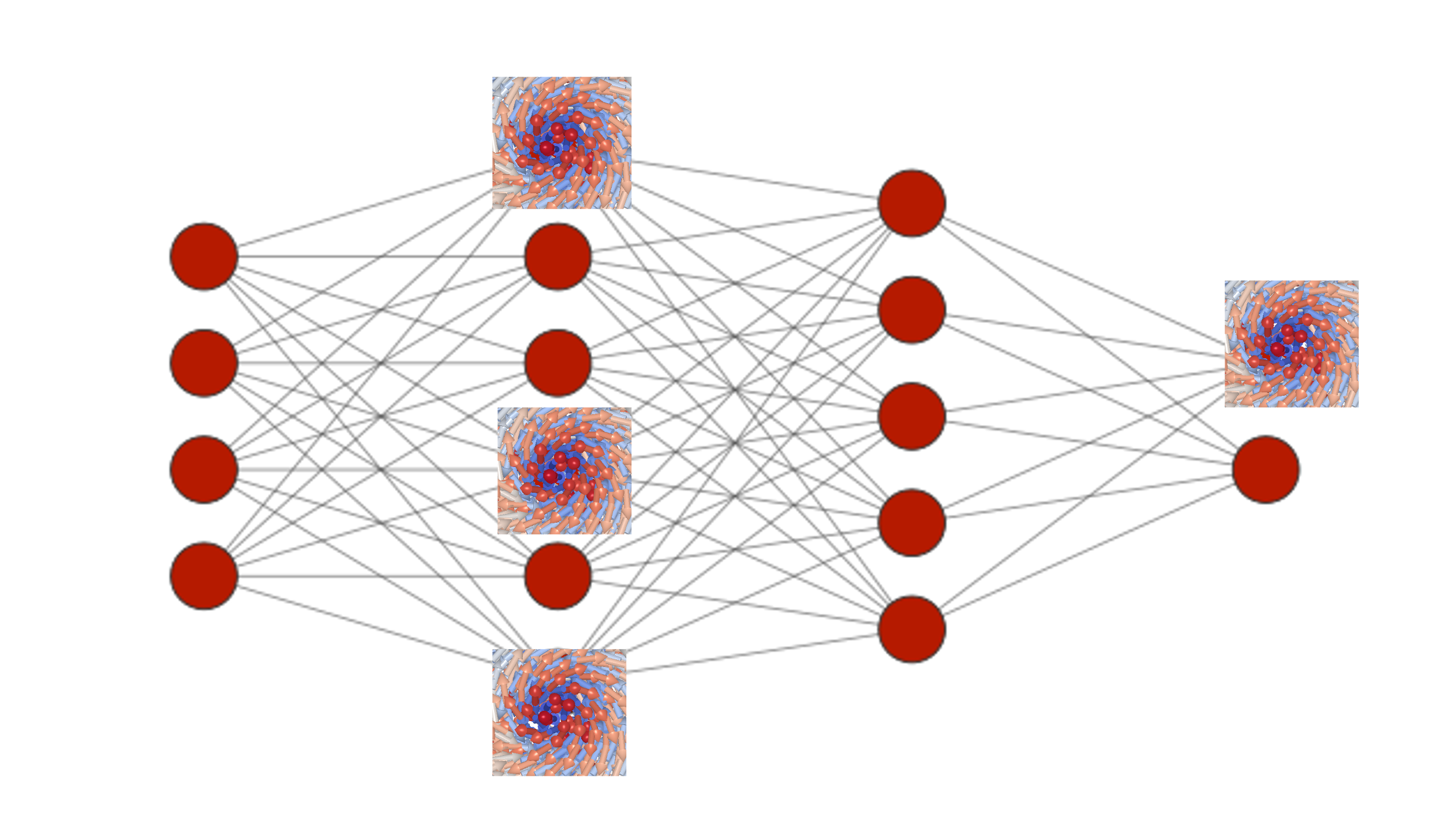
We are pleased to announce the 9th seminar in the Machine Learning Meets Materials Science series, part of the WASP-WISE initiative aimed at fostering collaboration between these two rapidly advancing fields.
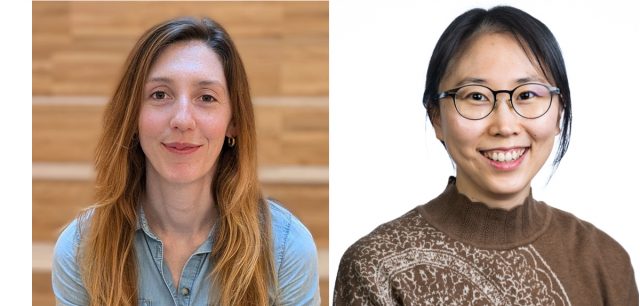
Hosted by WISE-affiliated researcher Maryna Pankratova (Uppsala University), this seminar will feature two speakers from Uppsala University contributing to the WASP-WISE project “Computer Design of a New Class of Green Magnets for Energy Applications and Next-Generation Computing.”
Each seminar in the series provides a unique platform for knowledge exchange, bridging machine learning and materials science to explore new possibilities at their intersection.
Don’t miss this chance to gain fresh perspectives, learn foundational concepts, and connect with leading researchers shaping the future of science and technology.
Date: May 20, 2026
Time: 10:00 AM – 11:00 AM (CET)
Location: Online via Zoom,
Join Zoom Meeting
https://uu-se.zoom.us/j/62376180977
Agenda
10:00 Vladislav Borisov, Uppsala University “Scale-bridging approach to first-principles modelling of magnets.”
10.30 Niklas Wahlström, Uppsala University, “Graph Neural Networks for Predicting Magnetic Properties in Materials.”
Abstract: In these talks, we discuss 2 different theory approaches to modelling and predicting the functional properties of materials: a) a scale-bridging approach based on quantum mechanics and effective models, and b) graph neural networks with crystal structure as input and material properties as output. They will be discussed specifically for magnetic materials that find numerous critical applications, e.g. energy conversion and information technologies. After a general discussion of theory methods, we highlight how they are used in our common project funded by WASP and WISE, where we aim to discover and understand organic magnets as viable alternatives to conventional inorganic magnets.
Welcome!