
28 Sep 2026
Meet the WISE Fellows – Nathalia Cristine Vieceli
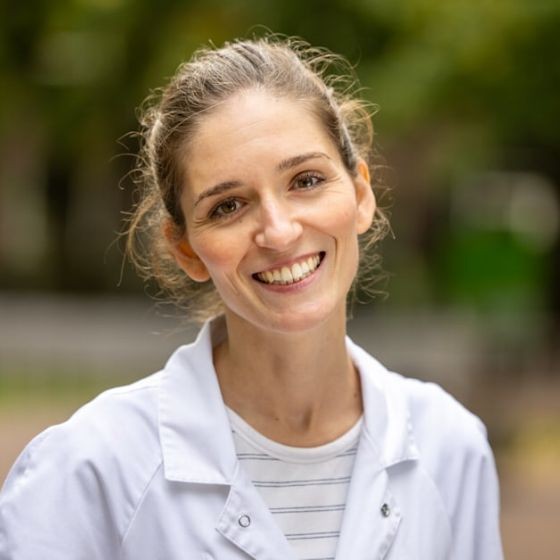
In this series of interviews, you will meet the WISE Fellows. This time you will meet Professor Nathalia Cristine Vieceli , who has joined Uppsala University as a WISE Fellow.
31 Mar 2026
When the WISE research and technology platform (WISE RTP) CII at Chalmers University of Technology was launched a year ago, the team expected a gradual development after inauguration.
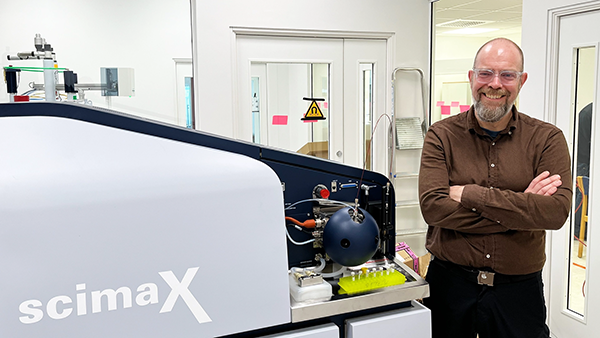
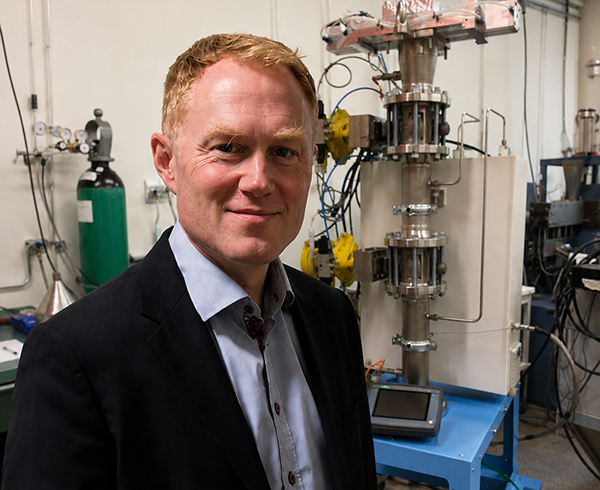
Picture: Per Malmberg, scientist in charge for CII at Chalmers University of Technology. Picture credit: Chalmers University of Technology.
Instead, everything accelerated. “From day one, everything moved faster than we dared to hope”, says Per Malmberg, Associate Professor at Chalmers University and scientist in charge of the WISE RTP. A smooth tendering process meant they could secure more advanced instruments than planned, and the manufacturer’s support allowed the lab to start operation almost immediately after commissioning. We have talked to the scientist in charge for the WISE RTP CII at Chalmers University
“I thought it would take time to attract users, but the opposite happened”, continues Per Malmberg. Today, more than 50 licensed users run the instruments independently, and the team has supported a wide range of research groups across the WISE community. Several companies have already approached the platform for contract work, expanding its real‑world relevance with respect to materials for a sustainable future.
The CII WISE RTP now supports projects from chemical reaction verification to polymer analysis and high‑resolution surface imaging. One unexpected highlight was a collaboration with researchers in Oslo studying tire and road‑wear particles. “Our chemical profiling helped identify emission sources, a perfect example of how far‑reaching the platform can be and at the same time relevant for sustainability”, he explains.
Collaboration with other WISE RTPs is increasing, with shared samples and complementary analyses becoming more common. Meanwhile, constant technical development is expanding the capabilities of the platform. A recent breakthrough was a unique sample holder enabling MALDI analysis directly on silicon wafers, allowing new molecular‑level insights.
However, powerful equipment brings challenges. The MALDI FT‑ICR, cooled with liquid helium, is extremely sensitive to power loss. “Last summer’s outages came uncomfortably close to quenching the magnet”, he says. New backup power solutions are being installed to protect this critical infrastructure.
With its unique mix of instruments, the platform is quickly becoming a go‑to resource across materials science, health research, and environmental studies. “The insights we’re gaining here are directly helping us improve the stability and performance of next‑generation organic solar cells”, says Jessica Bair, Doctoral Student in Applied Chemistry at Chalmers University of Technology.
One moment stands out: securing a far more advanced FT‑ICR instrument than originally expected. “That upgrade dramatically expanded our analytical capabilities,” he reflects. The launch event also made a strong impression. “It set exactly the tone we hoped for”.
Would they change anything?
“Honestly, not much. The early momentum shaped what the platform has become.”
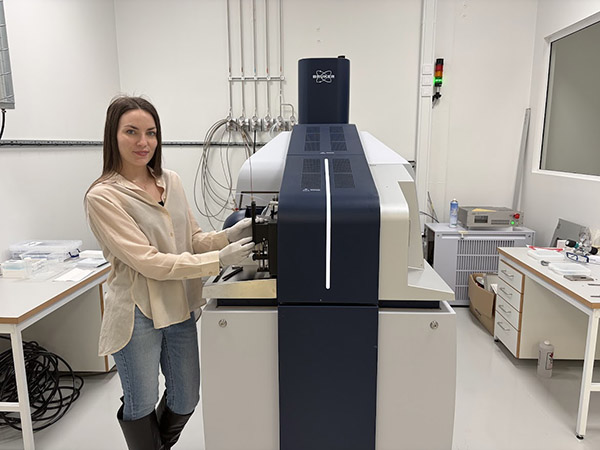
Jessica Bair, Doctoral Student, Applied Chemistry, Chemistry and Chemical Engineering, Chalmers University of Technology
28 Sep 2026
In this series of interviews, you will meet the WISE Fellows. This time you will meet Professor Nathalia Cristine Vieceli , who has joined Uppsala University as a WISE Fellow.
25 Sep 2026
What if birch leaves could help power tomorrow’s electronics or improve medical technologies?
25 Sep 2026
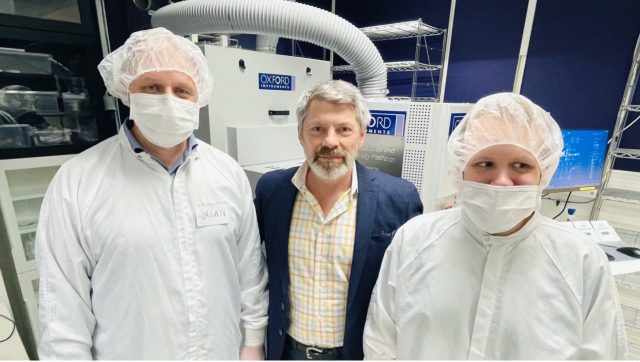
Materials built up layer by layer, with a thickness of just a few atomic layers. It may sound impossible, but researchers at KTH now have new capabilities for this kind of materials research.

24 Sep 2026
The application portal for the AP3 call at WISE will open on 1 December.
24 Sep 2026
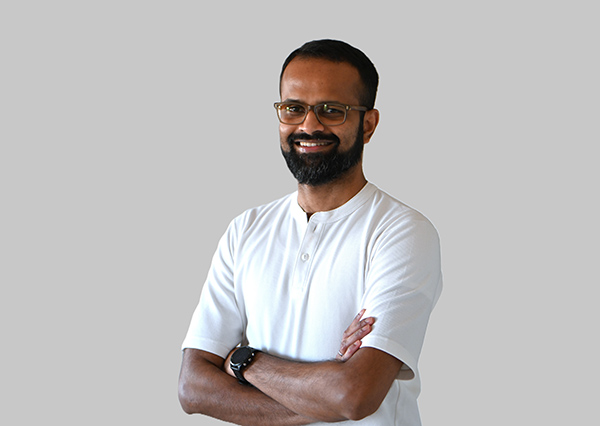
For Arun, the WISE program was an opportunity to combine scientific curiosity with real-world industrial challenges.
23 Sep 2026
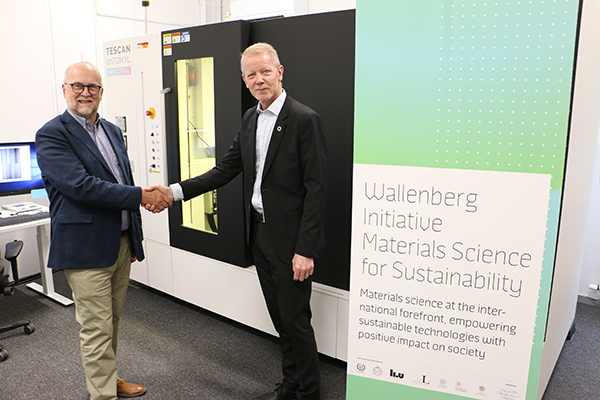
A new advanced instrument for three-dimensional imaging and analysis of materials has been inaugurated at Luleå University of Technology.
21 Sep 2026
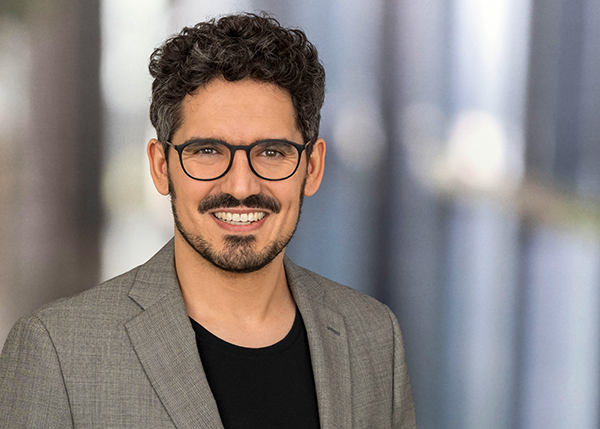
A new research project led by Daniel Weber has received a KAW Proof of Concept (PoC) grant to explore how advanced materials research can be translated into a practical solution for sustainable energy technologies.
18 Sep 2026
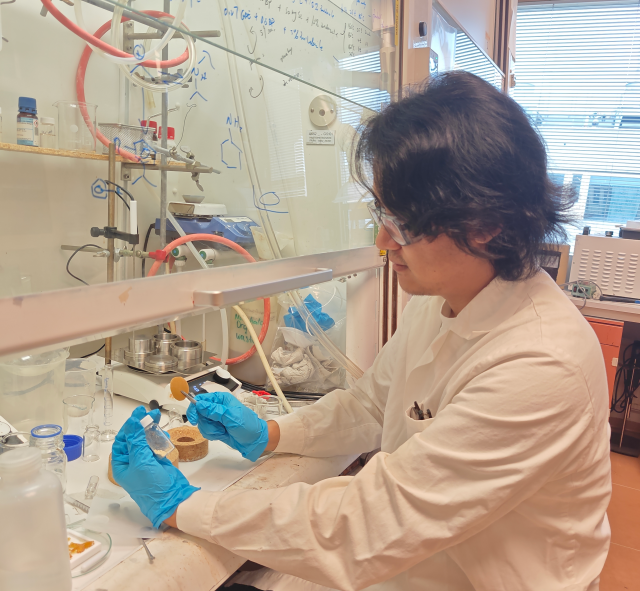
Researchers at Stockholm University developed a method to transform discarded plant material into strong, sustainable packaging. This renewable approach could reduce reliance on fossil-based plastics while using agricultural and forest resources more responsibly.
17 Sep 2026
Don’t miss this lecture on October 1. What will the materials and scientific instruments of the future look like and how can we ensure they contribute to a more sustainable world?
15 Sep 2026
Are you preparing a proposal for WISE-ap3? Make sure you’re fully equipped to meet its strong sustainability ambitions.
15 Sep 2026
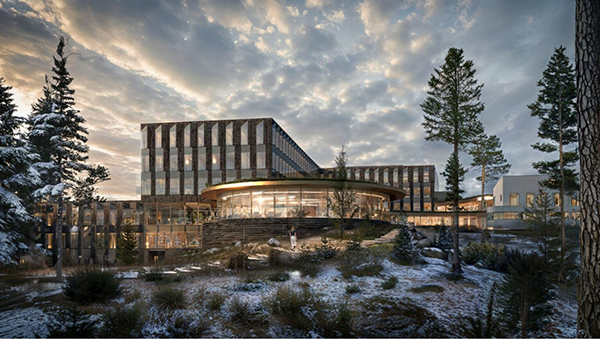
Join us at WISE Networking Days 2026 on November 23-24 in Göteborg!
14 Sep 2026
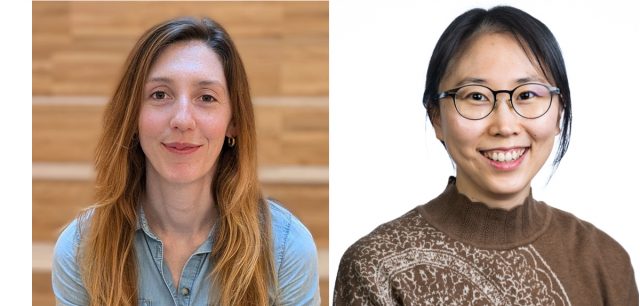
“The WISE Academic Postdoc project gave me my first opportunity to work with a postdoctoral researcher and was an important step in growing my research as an independent PI. The ERC Starting Grant now allows me to build my own research team and pursue a long-term research vision, says Professor Kim from Linköping University.
8 Sep 2026
The call for the Knut and Alice Wallenberg Foundation’s (KAW) Proof of Concept Grants in Materials Science for Sustainability 2026 is now open.
3 Sep 2026
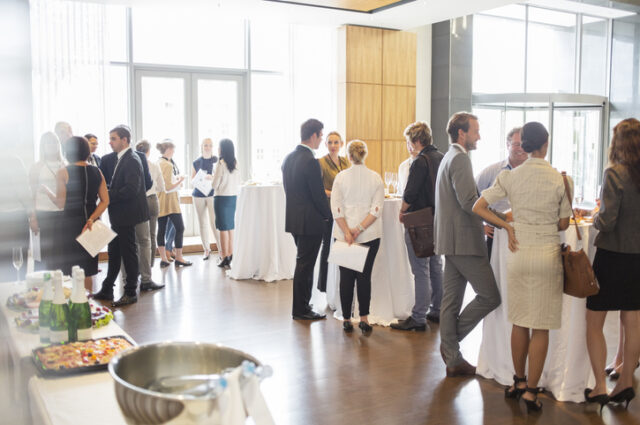
On 18 September 2026, the new WISE ATOMFAB materials fabrication platform at KTH-Albanova Nanolab will be officially inaugurated.
1 Sep 2026
The call for the Knut and Alice Wallenberg Foundation’s (KAW) Proof of Concept Grants in Materials Science for Sustainability 2026 is now open.
26 Aug 2026
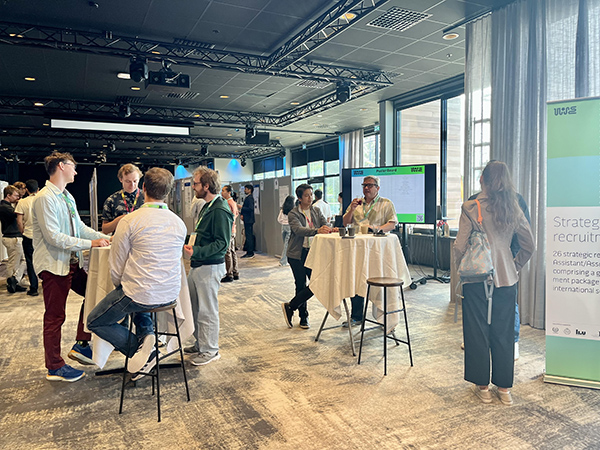
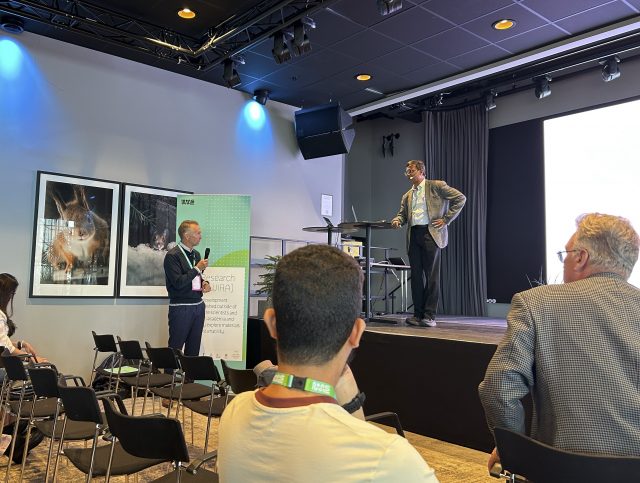
That’s a wrap on Welcome Meeting 2026 – what an amazing event! The Welcome Meeting was a great success, bringing together around 90 participants for an inspiring and engaging day.
26 Aug 2026
The second day of the WISE Welcome Meeting opened with an inspiring keynote lecture by distinguished Professor Dipankar Das Sarma, who introduced new PhD students and postdocs joining WISE to a fascinating class of materials: halide perovskites.
21 Aug 2026
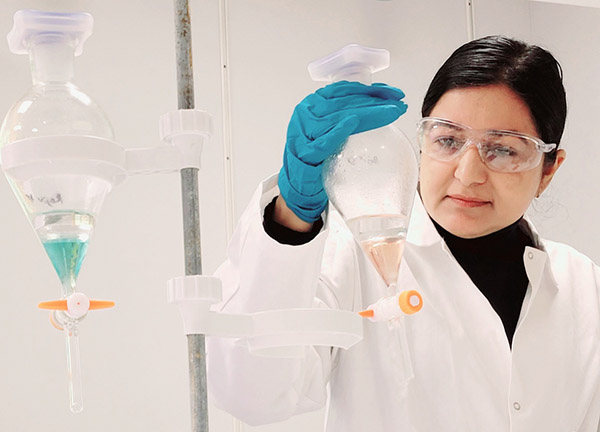
What if yesterday’s waste could power tomorrow’s technologies?
21 Aug 2026
The call for the Knut and Alice Wallenberg Foundation (KAW) Proof of Concept Grants in Materials Science for Sustainability 2026 opens on September 1, 2026.
20 Aug 2026
WIRA-SuPRA is a collaborative platform where academia and industry work together to develop the next generation of sustainable plastics and coatings.
19 Aug 2026
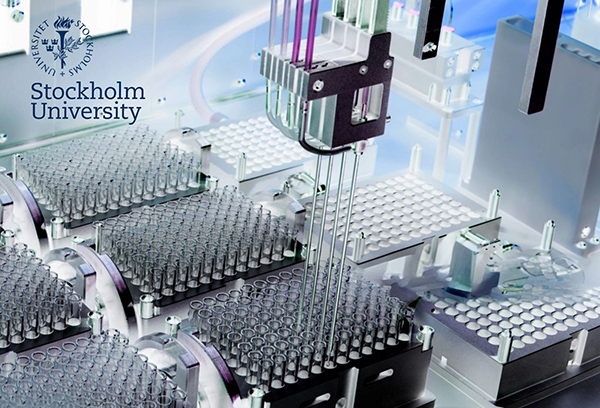
CircuLab is a research infrastructure (Research Technology Platform, RTP) funded by WISE and Stockholm University for the synthesis, processing and application of sustainable materials through integrated AI-driven workflows.
18 Aug 2026
Looking for fresh research perspectives and the opportunity to connect with leading experts? Join us online for the upcoming WISE Invited Professor Lecture on 10 September 2026, from 3:00–4:00 pm […]
18 Aug 2026
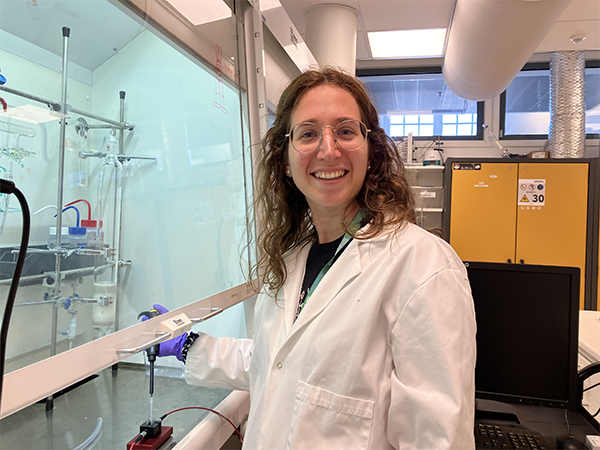
From Italy to Germany and now Sweden, Cecilia Bruschi’s academic journey has been driven by a passion for chemistry and materials research.
17 Aug 2026
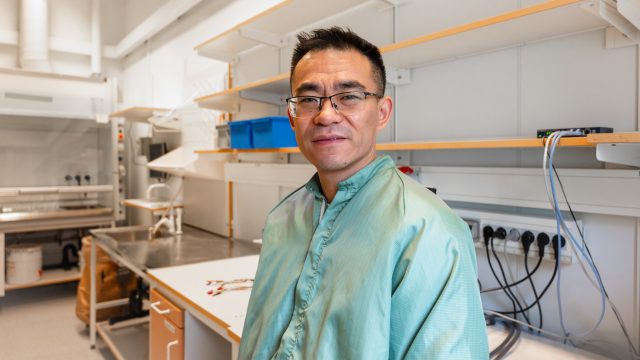
“We ask ourselves not only what is scientifically possible today, but also what advances are needed to bring these technologies closer to commercialization”, says WISE Fellow and Assistant Professor Lizhou Fan from Linköping University.
10 Aug 2026
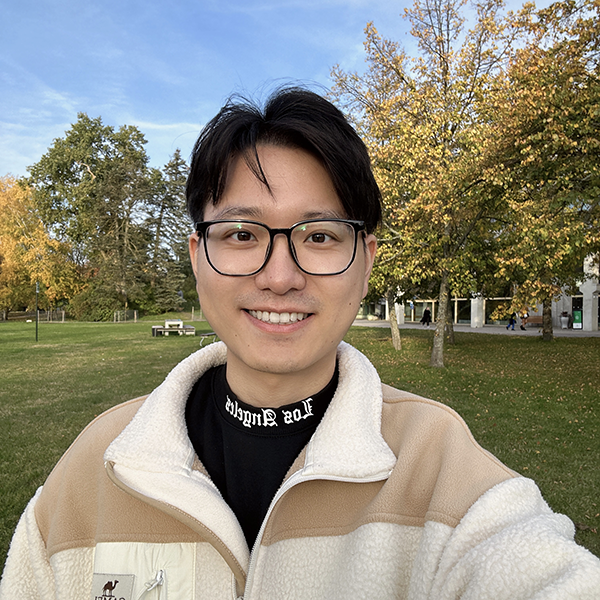
Jiayao Duan is currently a postdoctoral researcher at Stockholm University, working with Prof. Erica Zeglio. His research is about developing organic electronic materials for bioelectronics, with a growing focus on sustainability and degradability.
7 Aug 2026
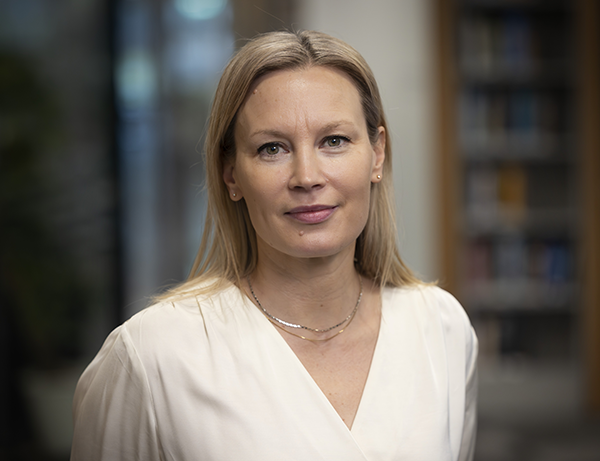
What if the next generation of medical implants could safely dissolve in the body once they’ve done their job and be produced with minimal environmental impact?
3 Aug 2026
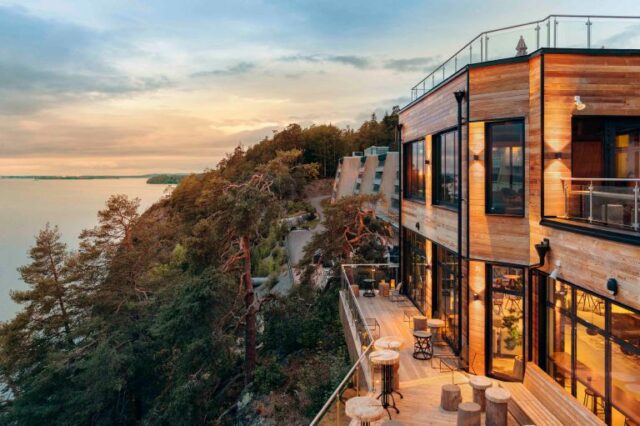
On 24 – 25 August, the WISE Community will welcome its newest members to the WISE Welcome Meeting 2026 at Vildmarkshotellet in Kolmården.
25 Jun 2026
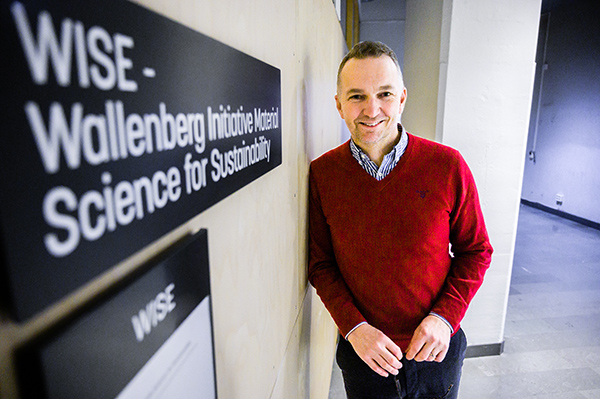
Magnus Berggren, Director of WISE, will assume the role as the Executive Director of Knut and Alice Wallenberg Foundation from 1 January 2027. As a result, he will step down as Program Director of the WISE program and remain at Linköping University on a part-time basis.
23 Jun 2026
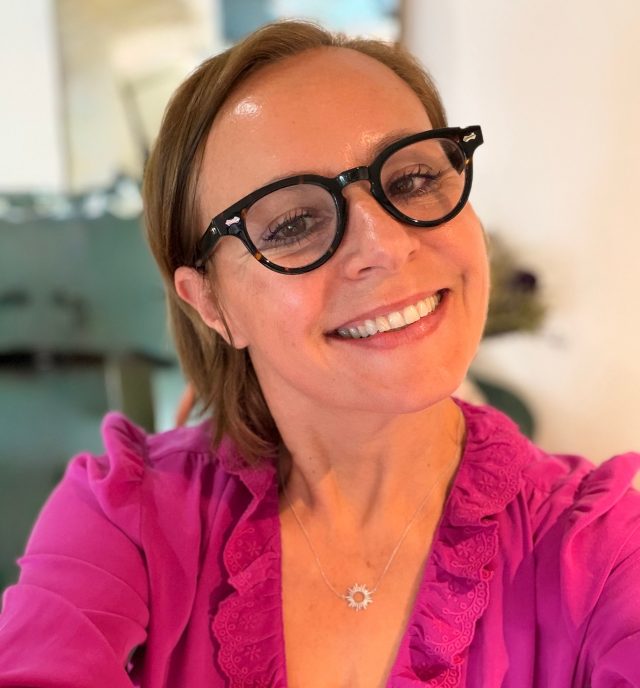
“Sustainability is the central theme of my research. Rather than focusing only on performance, we aim to develop technologies that are sustainable from the materials level all the way to manufacturing and end-of-life”, says Magdalena Titirici, Professor at the Imperial College London and WISE Invited Professor.
23 Jun 2026
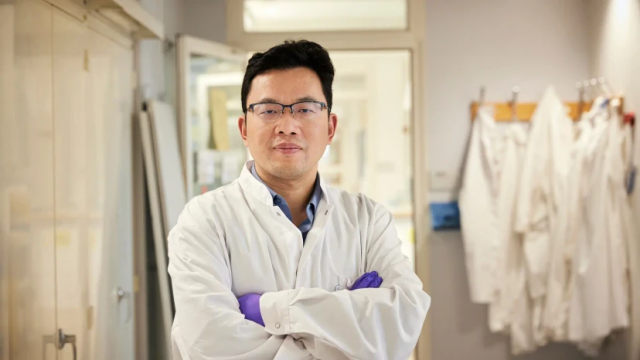
WISE-affiliated researcher, Professor Ergang Wang at Chalmers University of Technology in Sweden, is coordinating a new EU-funded project, SPECTRA, to develop groundbreaking technologies that use solar energy to transform plastic waste into valuable resources. The project also involves Professor Moyses Araujo at Karlstad University, another WISE-affiliated researcher, as a partner.