
14 Oct 2026
15 Apr 2026
Turning waste into water: a regenerable and compostable membrane for cleaning oily water
An international team of researchers has developed a high-performance, biodegradable membrane made from jute agricultural waste to filter oily water. The material is produced using a simple and scalable process and it can be removed using ultrasound and easily re-casted, restoring its performance again and again. Even after repeated use, the membrane maintains over 99% separation efficiency.
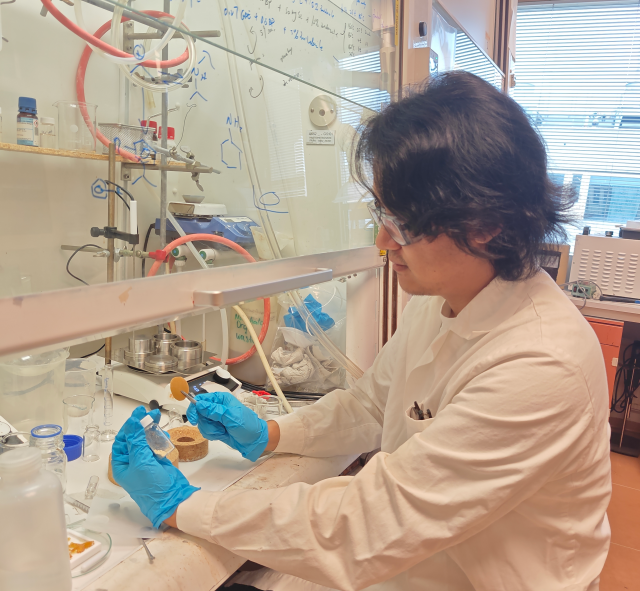
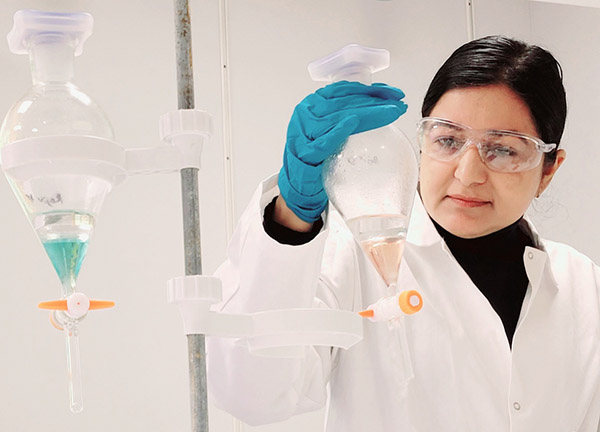
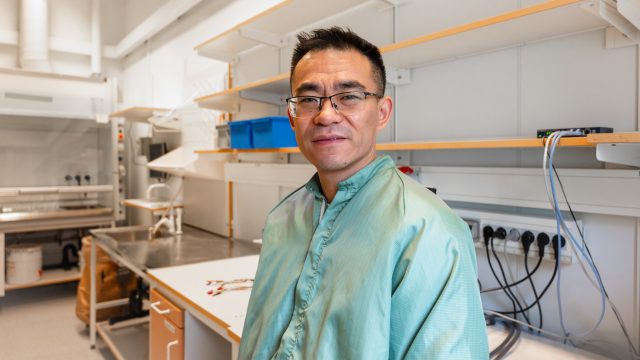
Picture Credit: Nadeem Baig, first author of the publication.
Every day, industries such as textiles and food processing produce enormous volumes of oily wastewater. Cleaning these streams is a persistent challenge: they contain microscopic oil droplets, along with heavy metals and other pollutants that resist conventional treatment. Although advanced purification technologies exist, they are often expensive or generate secondary environmental problems. Now, an international team of researchers from Saudi Arabia, Sweden, the United Kingdom, Bangladesh, and Japan has developed a more sustainable alternative: a high-performance, biodegradable membrane made from jute agricultural waste. The material is produced using a simple and scalable process and it can be removed using ultrasound and easily re-casted, restoring its performance again and again. Even after repeated use, the membrane maintains over 99% separation efficiency. The work, published in npj Clean Water, points to a durable, renewable filtration system that could offer a cleaner, more circular approach to tackling one of industry’s dirtiest problems.
Jute, the raw material behind the membrane, is a natural plant fiber widely grown in warm, humid regions such as South Asia. Best known for its use in ropes, sacks, and textiles, it is also one of the world’s most abundant and affordable fibers. Its main component, cellulose, naturally attracts water while repelling oil, making cellulose an ideal candidate for developing bio-inspired membranes. However, transforming cellulose into membranes remains a significant challenge.
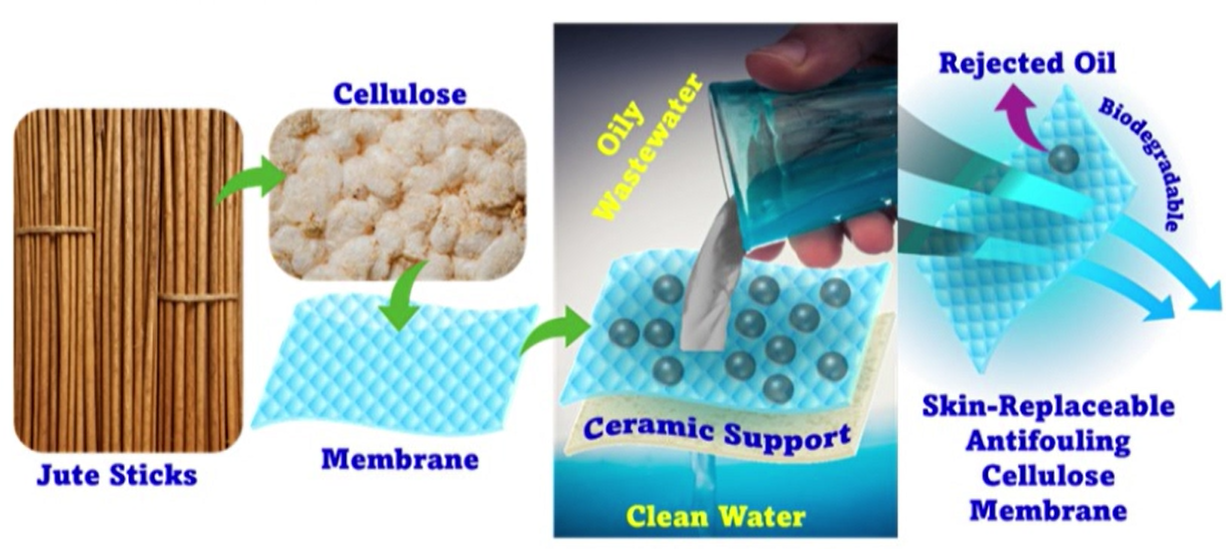
To address this, the researchers used a sodium hydroxide (NaOH) and urea-based process to transform jute, an agricultural byproduct often discarded after fiber extraction, into a high-quality membrane with remarkable properties.
—Conventional treatments often rely on PFAS-based materials that are discarded after use, says Andreas Larsson, Professor at Luleå University of Technology and co-director of the WISE Research School. “We are very proud of this work, where we developed an atomistic theory to understand the cellulose dissolution mechanisms and regeneration behavior, supporting the experimental results.”
Antifouling cellulose ceramic membranes
The resulting membranes are super-hydrophilic (strongly water-attracting) and underwater oleophobic (oil-repelling), allowing water to pass through while blocking oil droplets. Inspired by biological systems, the team also introduced a “skin-replaceable” design: when the membrane surface becomes fouled, it can be renewed without replacing the entire structure. This enables multiple cycles of use with consistently high performance.
Together, these advances suggest a promising route toward cleaner industrial water treatment, one that transforms agricultural waste into a reusable, high-efficiency filtration system.
Original article can be found:
“Skin-replaceable antifouling cellulose ceramic membranes from jute agro-waste for sustainable and efficient oily wastewater treatment,’’ Nadeem Baig, Tauqir Ahmad, Ali Sufyan, Muhammad Bilal Asif, Kawthar Alqudaihi, Balqees Alrwaily, Md. Sabbir Ahmed, Md. Maniruzzaman, Arshad Hussain, Syed Shaheen Shah, J. Andreas Larsson & Md. Abdul Aziz. npj Clean Water 9, 8 (2026) [https://www.nature.com/articles/s41545-025-00538-3]