12 Mar 2026
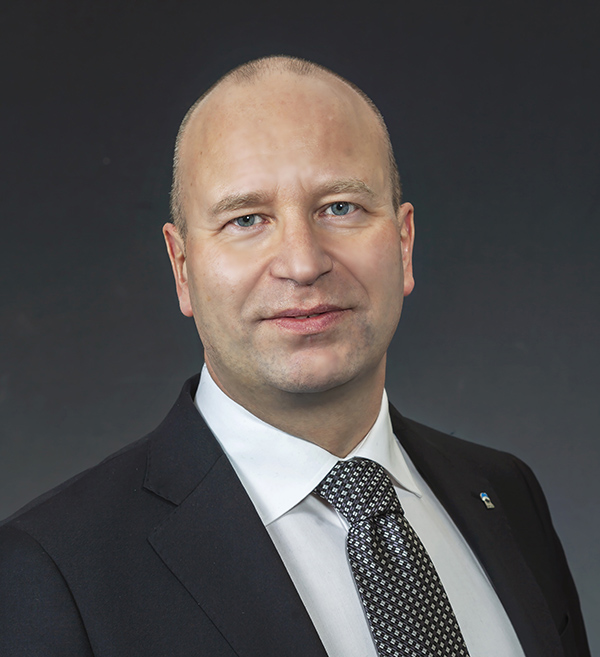
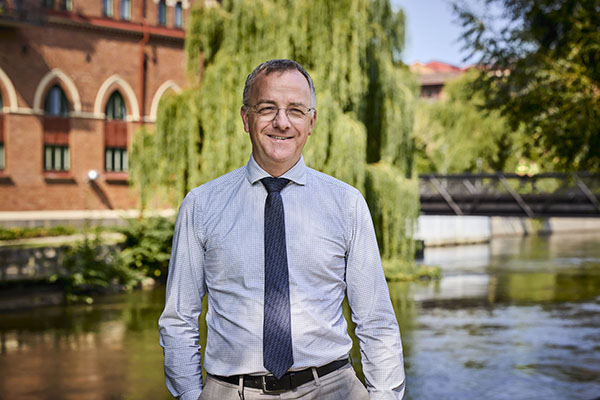
Pär Jonsén, Chief Technology Officer at LKAB, speaks at WISE Dialogue 2026
We are pleased to introduce Pär Jonsén as one of the speakers at the WISE Dialogue conference on March 17–18.

19 Apr 2024
In a scientific breakthrough, researchers have successfully produced a sheet of gold that is only one atomic layer thick: goldene.
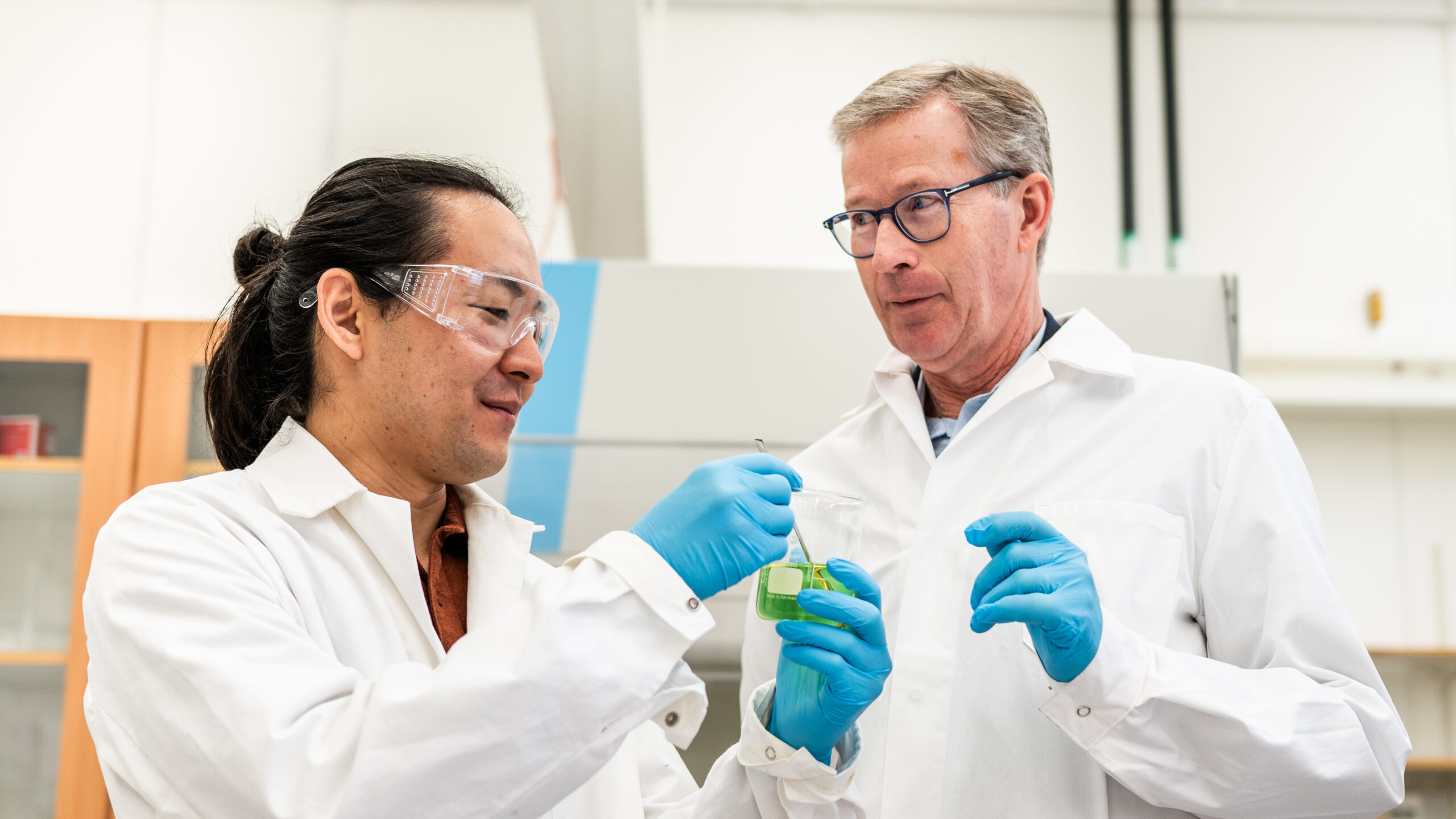
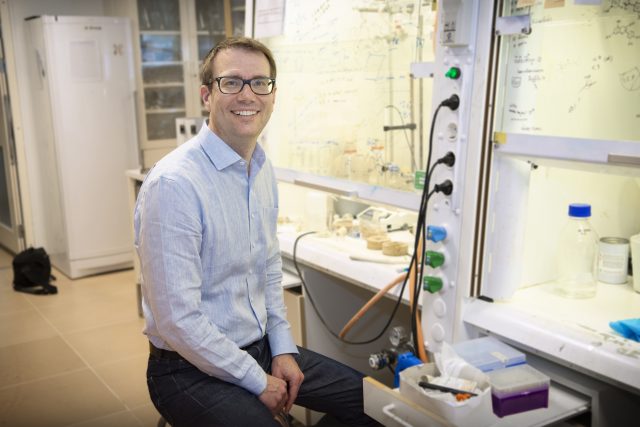
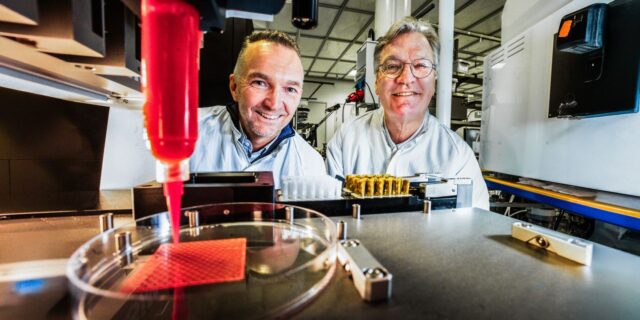
[The photo in the excerpt was taken by Olov Planthaber at Linköping University. Dr. Shun Kashiwaya (left) and Prof. Lars Hultman (right), communicating authors on the goldene report, discuss etching schemes for goldene extraction.]
Goldene belongs to the class of two-dimensional (2D) materials, crystalline solids with a thickness of just a few nanometers or less. In comparison to their bulk or three-dimensional counterparts, 2D materials often exhibit distinct properties. One of the most famous examples of 2D materials is graphene, a single layer of carbon atoms arranged in a honeycomb lattice. Much like graphene, goldene shows promising potential by offering unique properties that are different to those of gold. Its two-dimensional structure provides a high surface-area-to-volume ratio, along with an abundance of unsaturated atoms exposed on the surface, holding promise for enhanced catalytic properties. Moreover, the remarkable electronic properties of goldene offer potential benefits in diverse applications such as solar energy harvesting, carbon dioxide conversion, chemical production, hydrogen catalysis, water purification, and cancer treatment through plasmonic photothermal therapies.
The journey to create 2D metal materials, particularly gold monolayers, has not been easy. Gold atoms tend to form islands rather than continuous layers. Prof. Hultman found an old method employed by Japanese blacksmiths, known as Murakami’s reagent, which etches away carbon residues and changes the color of steel in, for example, knife manufacturing. However, it was not possible to use the exact same recipe and researchers had to fine-tune the procedure by a trial-and-error approach.
– We had created the basic material with completely different applications in mind. We started with electrically conductive ceramics called titanium silicon carbide, where silicon is interleaved as atomic layers. Then the idea was to coat the ceramics with gold to create a contact. Totally unexpectedly though, the silicon layer was replaced by gold inside the base material when the material was exposed to high temperatures, explains Prof. Lars Hultman at Linköping University and WISE researcher.
The researchers used computational modeling to demonstrate that two-dimensional goldene is inherently stable. Experiments however, revealed minor issues such as curling and agglomeration, which could be addressed by using surfactants.
– To the best of our knowledge, this is the first discovery of a free-standing two-dimensional one-atom-thick metal. The future is golden, enthuses Prof. Hultman.
The original publication in the journal Nature Synthesis entitled Synthesis of goldene comprising single-atom layer gold, can be found at: https://www.nature.com/articles/s44160-024-00518-4 (open access).
To learn more about Prof. Lars Hultman’s WISE project concerning two-dimensional tungsten layers used to make hard coatings, visit:
Eco-Deposition to Create Novel Multifunctional Coating Materials
12 Mar 2026
We are pleased to introduce Pär Jonsén as one of the speakers at the WISE Dialogue conference on March 17–18.
11 Mar 2026
WISE Invited Professor Advances Sustainable Nanomaterials for Next Generation Electronics and Energy Technologies.
10 Mar 2026
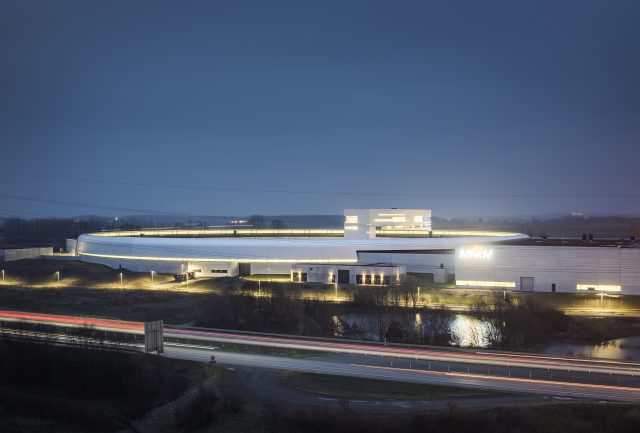
“The WISE initiative is presently the most important initiative in materials science in Sweden. It is both exciting and imperative that MAX IV supports the programme by actively engaging in its activities. The WISE Dialogue is a great opportunity to learn about the latest developments and explore opportunities for deeper collaboration”, says Olof Karis, Director of MAX IV.
6 Mar 2026
“I’m very honored to receive the Göran Gustafsson Prize. For me, it recognizes the work my research group has carried out over many years to understand and control doping in organic semiconductors. I hope it will help us push this research further and develop new types of soft, flexible electronics” says Simone Fabiano.
6 Mar 2026
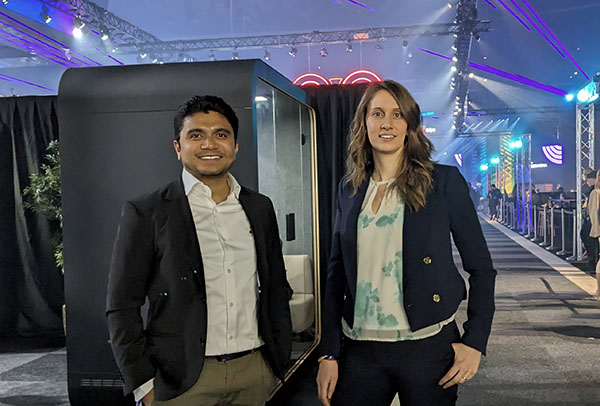
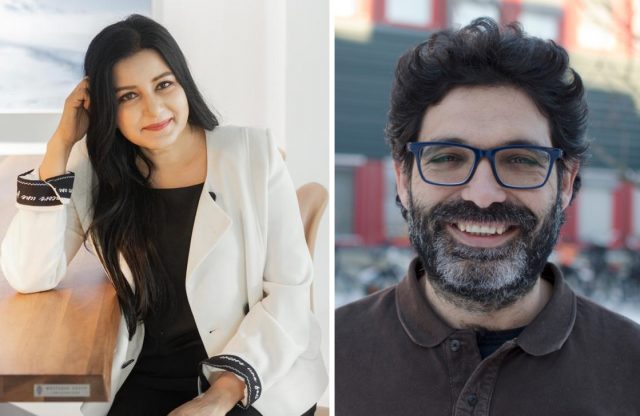
We are happy to introduce Erica Zeglio, Assistant Professor and WISE Fellow & Dr. Biswanath Das, two of our speakers at the WISE Dialogue conference, March 17-18.
2 Mar 2026
We are happy to introduce Francisco Panayo, one of our speakers at the WISE Dialogue conference, March 17-18. Francisco holds a key role as R&D Manager at Hitachi Energy.
27 Feb 2026
“Over the past few decades, computational modeling has gained widespread recognition in both academia and industry as an effective tool for accelerating materials design and deepening our understanding of materials behavior” says Carl-Magnus Lancelot, Technical Sales and Support Engineer at Thermo-Calc Software, responsible for customers in the UK and the Nordics.
26 Feb 2026
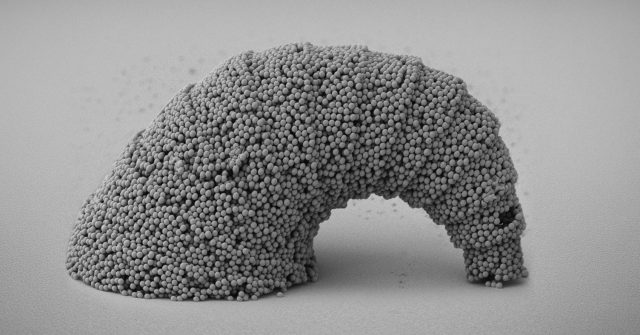
Until recently, most advanced 3D micro- and nanofabrication techniques were limited to polymers, restricting the range of materials that could be used. Now, an international research team has published a landmark study in the journal Nature demonstrating a state-of-the-art fabrication technique that overcomes these long-standing material limitations.
25 Feb 2026
Two cutting-edge research projects at Luleå University of Technology have been awarded Marie Skłodowska-Curie Postdoctoral Fellowships under the EU’s Horizon Europe programme.
23 Feb 2026
We are pleased to introduce Peter Dahlén as one of our speakers at the WISE Dialogue conference on March 17–18.
13 Feb 2026
The call text for the WISE Academic Project Call 2026–2027 (WISE-ap3) is now available. The application portal opens on 1 December 2026.
13 Feb 2026
WISE is introducing the WISE Research Master’s Thesis, a new research preparatory initiative designed for Master’s students in engineering and natural sciences.
Picture credit: Luleå University of Technology
11 Feb 2026
Eight collaborative research projects joining quantum technology and materials science have been approved funding. Together, the projects receive 1 MSEK each.
2 Feb 2026
WASP and WISE hereby announce the WASP–WISE 2026 call for NEST 2 (Novelty, Excellence, Synergy, and Teams) is open.
27 Jan 2026
WISE Dialogue 2026 is approaching – the major annual gathering for the entire WISE community!
20 Jan 2026
Don’t miss the chance to hear from two internationally renowned researchers in an upcoming digital seminar on February 5, 2026, from 3-4 pm CET.
16 Jan 2026
WISE is preparing its 3rd Academic Project Call (WISE-ap3) to fund PhD and postdoc research advancing sustainable, eco-friendly materials and manufacturing processes.
22 Dec 2025
“Sustainability is at the center of everything we do. Our research focuses on some of the greatest challenges of our time – such as how we extract raw materials, use energy, deal with emissions and reduce waste.”
Photo credit: Thor Balkhed, Linköping University
16 Dec 2025
Research on organic solar cells at Karlstad University is advancing with support from WISE.
15 Dec 2025
On February 2, 2026, WASP and WISE will launch a joint call for proposals for five-year NEST projects.
11 Dec 2025
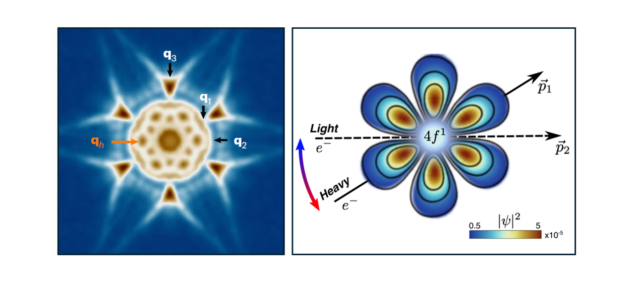
“Ce-based systems continues to surprise us in their unique physical and chemical properties, and the current discovery certainly should be placed under WISE thematic area Discovery, with hope to become a key ingredient in applications for sustainability”, says Prof. Eriksson from Uppsala University and WISE co-director.
5 Dec 2025
“For us it is important to work with sustainable materials and make sure that we manufacture them employing low-energy processes. We think from the beginning what elements we are going to use -their availability, price, recycling possibilities, etc.”, says Professor Thelakkat.
28 Nov 2025
The Uppsala node of the WISE Additive Research and Technology Platform (RTP) was officially inaugurated this week, marking a significant step in strengthening Sweden’s national research capacity in additive manufacturing.
Picture credit: Tobias Sterner, Bildbyrån
25 Nov 2025
Energy storage is one of the great scientific challenges of our time. To move toward a more sustainable society, we need batteries that are not only efficient but also environmentally responsible.
20 Nov 2025
Join us for the 7th Machine Learning Meets Materials Science Seminar, part of the WASP–WISE initiative! Mark your calendars: November 26 at 10:00!
17 Nov 2025
Uppsala University’s WISE Symposium series will spotlight cutting-edge sustainability research on November 26, 2025, with a webinar dedicated to the environmental aspects of additive manufacturing.
12 Nov 2025
On December 4, 2025, from 15:00 to 16:00, Uppsala University will host a WISE Guest Professor Lecture featuring Professor Julie Beth Zimmerman and Dr. Sandrine Lyonnard, both WISE Guest Professors at the university.
11 Nov 2025
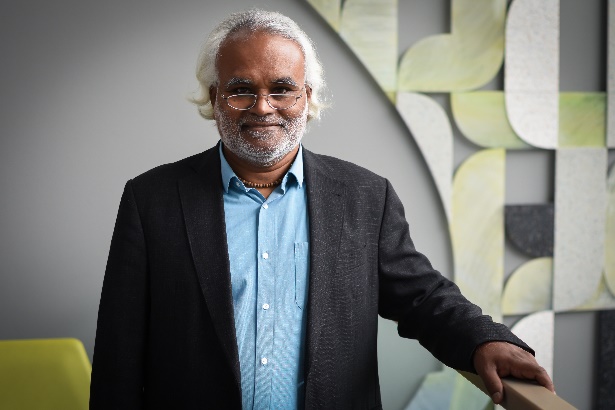
“This talk explores the emerging frontier of biotechnology in enabling greener battery technologies, specifically through biohydrometallurgy and bio-based materials, ” says Prof. Srinivasan Nanyang from the Technological University (NTU), Singapore.
10 Nov 2025
As part of WISE’s Guest Professor (GP) program — one of our key initiatives to foster international collaboration and enrich student learning — we are delighted to welcome Professor Mette Rica Geiker from the Norwegian University of Science and Technology (NTNU) to Chalmers University of Technology.
Picture by Ann-Marie Thoresen at Statens Vegvesen
6 Nov 2025
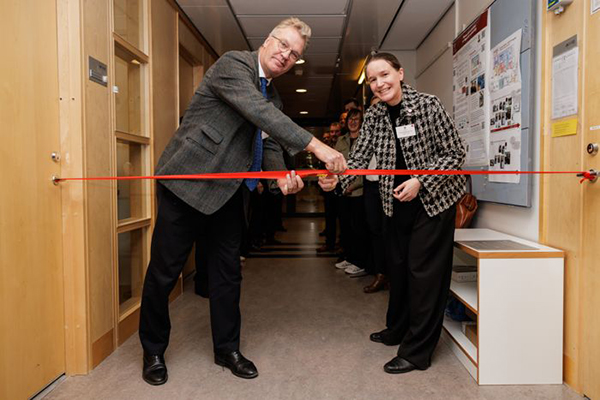
The inauguration of the WISE Additive node at Linköping University (LiU) took place this week, marking an important milestone in the development of Sweden’s research infrastructure for additive manufacturing and soft electronics for sustainability.
Picture by Thor Balkhed, Linköping University