We are excited to announce the 8th seminar in the Machine Learning Meets Materials Science series, a part of a WASP-WISE initiative designed to spark collaboration between two cutting-edge fields.
Hosted by WISE-affiliated researcher Maryna Pankratova (Uppsala University), this session features:
Each seminar in the series provides a unique platform for knowledge exchange, bridging machine learning and materials science to explore new possibilities at their intersection.
Don’t miss this chance to gain fresh perspectives, learn foundational concepts, and connect with leading researchers shaping the future of science and technology.
Date: March 25, 2026
Time: 10:00 AM – 11:00 AM (CET)
Location: Online via Zoom,
Join Zoom Meeting
https://uu-se.zoom.us/j/66761137540
Meeting ID: 667 6113 7540
Agenda
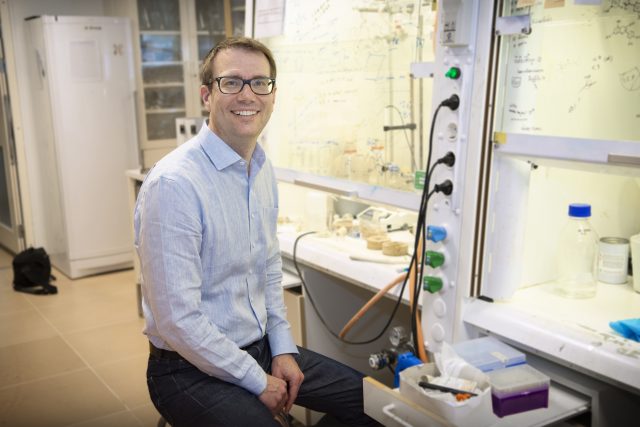
10:00 Pawel Herman, Associate Professor, KTH. “Future pathways for brain-like computing paradigms.”
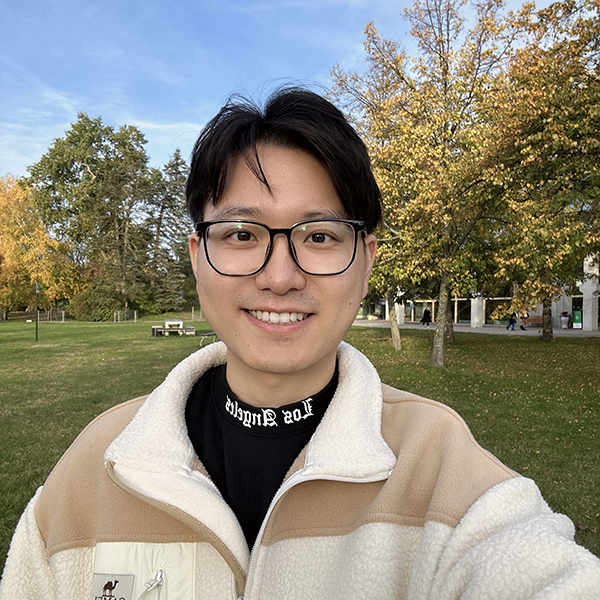
10.30 Shengyu Tao, Marie Skłodowska-Curie Fellow, Chalmers. “Machine Learning-Assisted Sustainable Remanufacturing, Reusing and Recycling of Lithium-Ion Batteries.”
Abstract: This presentation introduces a physics-informed machine learning framework for sustainable lithium-ion battery lifecycle management, spanning manufacturing quality control, second-life deployment, and recycling. By extracting thermodynamic and kinetic features from fast-charging data, the approach enables rapid, non-invasive degradation diagnosis and early lifetime prediction—up to 25× faster than conventional cycling tests. The talk further discusses AI-driven decision support for recycling and life-cycle assessment, highlighting how data-efficient diagnostics and transferable models can accelerate scalable, circular battery ecosystems.
Welcome!