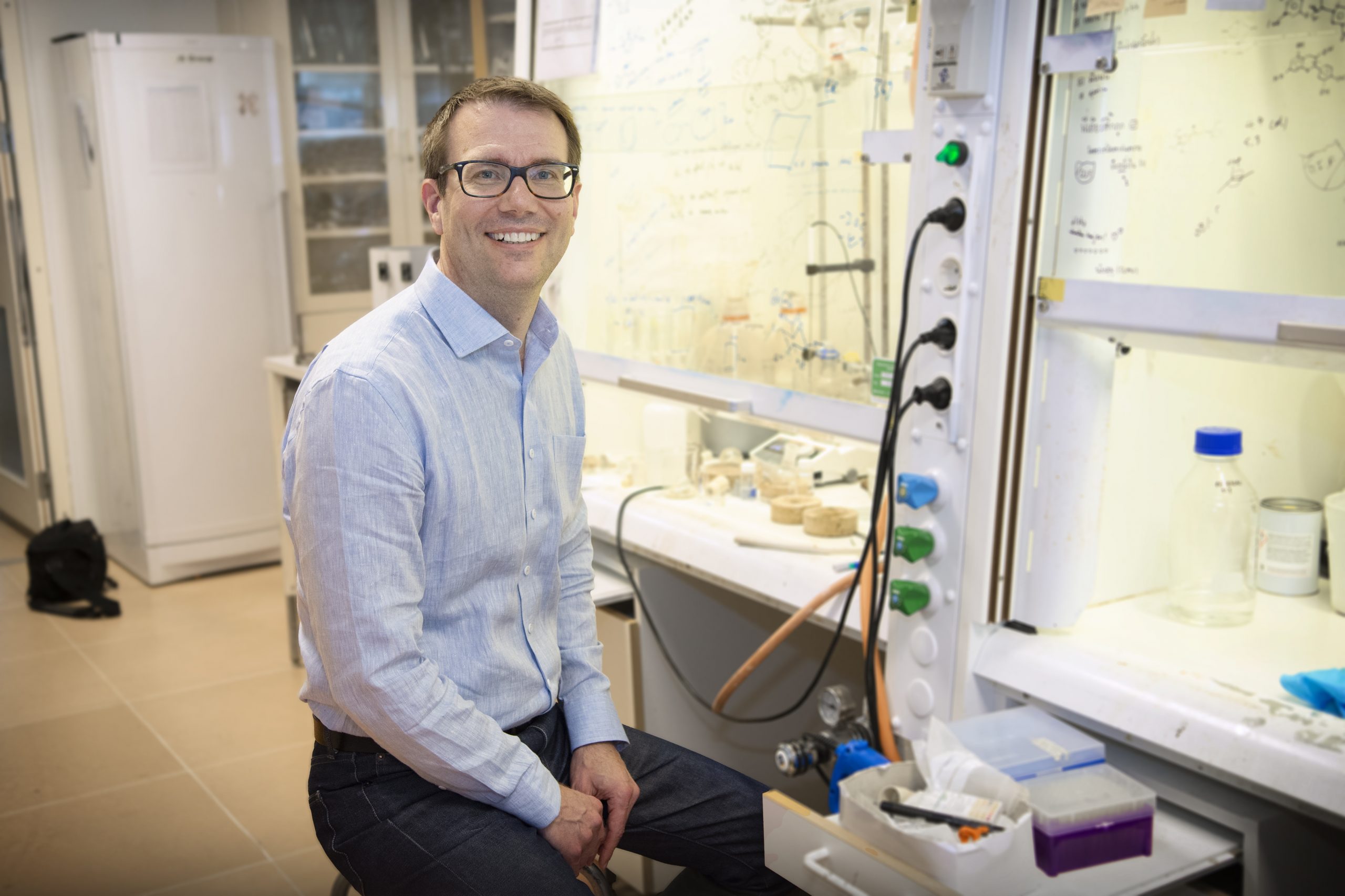
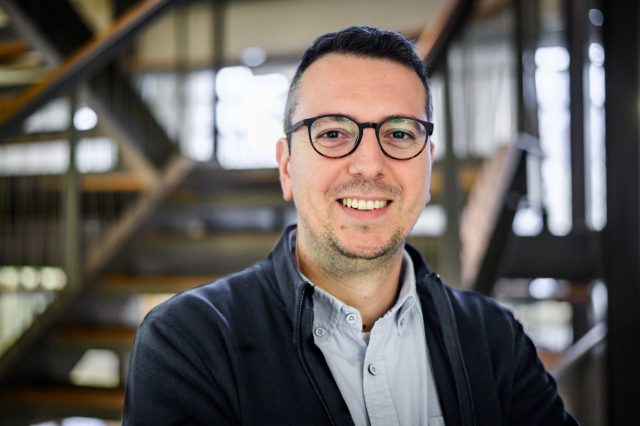
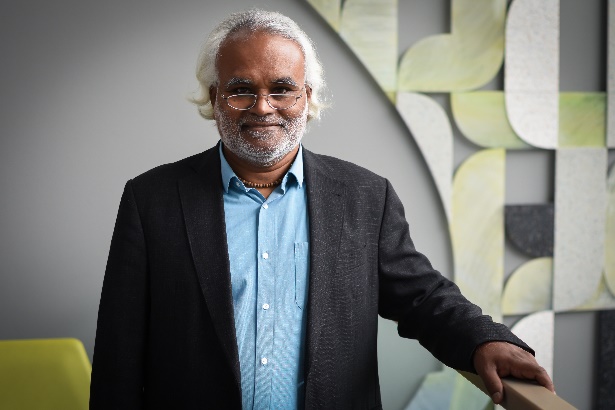
WISE has appointed Joseph Samec as its new Director for Sustainability, marking a significant step in strengthening its sustainability agenda. Samec, a professor at Stockholm University, is widely recognized for his work in green chemistry, particularly in sustainable organic synthesis and biomass utilization. He also brings valuable entrepreneurial experience, having founded RenFuel in 2012 to develop biofuels from lignin.
We sat down with Joseph to discuss his new appointment and explore how he plans to support WISE in fulfilling its mission.
What is your role in WISE?
I have been involved in WISE since almost its beginning as a principal investigator on an academic project. However, it is only now that I have taken on a more active role as Director for Sustainability. My appointment reflects the board’s ambition to further strengthen and embed sustainability within WISE.
In this role, my responsibility is to ensure that sustainability is fully integrated across all WISE activities. This includes building internal competence, supporting the program office on sustainability, and facilitating collaborative efforts.
One of my first assignments was to contribute to the final stages of developing the supportive tool WISE ASSIST, which is designed to help researchers evaluate the sustainability impact of their research projects
How did you end up caring about sustainability?
I did not begin my journey in sustainability. I am an organic chemist, and from early on I developed a strong interest in green chemistry. A decade ago, I participated in an EU project where we collaborated with researchers who had deep expertise in life-cycle assessment (LCA). While we focused on developing composite materials from biomass, their role was to evaluate our work through an LCA perspective.
At first, I found the process quite frustrating. It was time-consuming, and I often felt somewhat out of the loop. However, that experience sparked my curiosity and made me realize that I needed a better understanding of sustainability beyond my own field.
I later decided to take a sabbatical and went to Padova in Italy to learn how to perform LCA. I became a student again! That experience broadened my perspective and helped me understand that sustainability extends far beyond environmental concerns alone.
It can be frustrating and complex at first, but over time I came to appreciate that all the three pillars of sustainability: economic, social, and environmental dimensions are important. With my background as chemist, I also acknowledge the importance of safety that is not fully covered in LCA. Ultimately, it is about understanding the trade-offs between these dimensions and engaging in informed dialogue with different stakeholders to find a balance.
What can people at home do to contribute to a more sustainable world?
Be aware of your responsibility as a consumer. Personally, I try to eat meat less often and repair shoes, clothes, furniture, and bicycles instead of buying new ones. In doing so, you can support small local businesses. Buying used items, such as furniture, and repairing or refurbishing them is another effective way to reduce your impact, and to get a more unique and beautiful home.
What about regulations? Do they have a large impact?
The building sector is a good example. In this field, regulations require builders to consider both economic and environmental sustainability, and to follow well-established sustainability metrics. I advocate the green public procurement as it gradually forces businesses to book keep their environmental performance. It is taking time, but as a university professor I can see changes that can be back-tracked to procurements that have a green awareness. There is also the dimension of getting more resilient, Europe has a lot of renewable resources but not so many fossil ones: why not use these better?