
12 Mar 2026
Pär Jonsén, Chief Technology Officer at LKAB, speaks at WISE Dialogue 2026
We are pleased to introduce Pär Jonsén as one of the speakers at the WISE Dialogue conference on March 17–18.

20 Oct 2025
“I think it is important to observe and learn from nature. Nature does not waste. What one organism discards, another uses as energy. The key question for us is how we can minimize and reuse our own waste, how we can create more with less”, says WISE Guest Professor Alexander Bismarck from University of Vienna.
—What are your current research field and main research activities?
In the PaCE Group, we focus on manufacturing and characterization of advanced materials such as fibre-reinforced high-performance (nano)composites, porous materials, and polymeric drag reducing agents (not sure what those are? Scroll to the end of the page). Our research focuses on the development of manufacturing processes for multifunctional composites for energy storage, fungal materials, and emulsion templating for the synthesis of porous polymers useful for process intensification.
One area of particular interest is structural supercapacitors, multifunctional materials that both carry mechanical loads and store electrical energy. Part of my research on supercapacitors is carried out in collaboration with Luleå University of Technology (LTU).
—What are the sustainability aspects of your research?
Renewable materials are at the core of my research. For all materials we develop, we emphasize on process intensification, that is, designing with less materials, considering manufacturing routes that consume less energy and are more efficient, while keeping recycling in mind.
Although we do not conduct life-cycle assessments ourselves, we collaborate closely with experts in the field to better understand material cycles. This helps us to reuse materials whenever possible, minimize waste, develop processes that emit less carbon dioxide, and make efficient use of available resources.
—How can Materials Science evolve to address sustainability and the climate change crisis?
I think it is important to observe and learn from nature. Nature does not waste. What one organism discards, another uses as energy. The key question for us is how we can minimize and reuse our own waste, how we can create more with less. Whenever possible, we should use organic and renewable materials, and we must understand the energy and carbon costs associated with manufacturing our products. These are the kinds of questions that materials science should focus on.
—What advice would you give to young researchers entering this area?
Be curious and willing to learn. Take inspiration from nature and be critical of what has been done before. We may not have always made the smartest choices in the past, and now is the time to rethink. Use AI wisely. It can be a powerful tool, but it also consumes tremendous amounts of energy.
And finally, collaborate and talk to others. Never think that you can achieve everything alone.
Brief bio:
Composite materials are made by combining two or more different materials with different properties that stay separate within the final structure. Together, they create a new material with improved properties that neither component has on its own
Polymeric drag reducing agents are high molecular weight polymer dissolved in a liquid to reduce the flow resistance in turbulent flow. The polymeric drag reducing agent changes the vortex cascade and the turbulent flow profile and reduces energy dissipation by turbulence. In applications polymeric drag reducing agents enable higher flow rates and/or decrease the energy expended in pumping.
Drag reduction (DR) denotes the phenomenon of reduced flow resistance in turbulent flow of liquids in the presence of drag reducing agents.
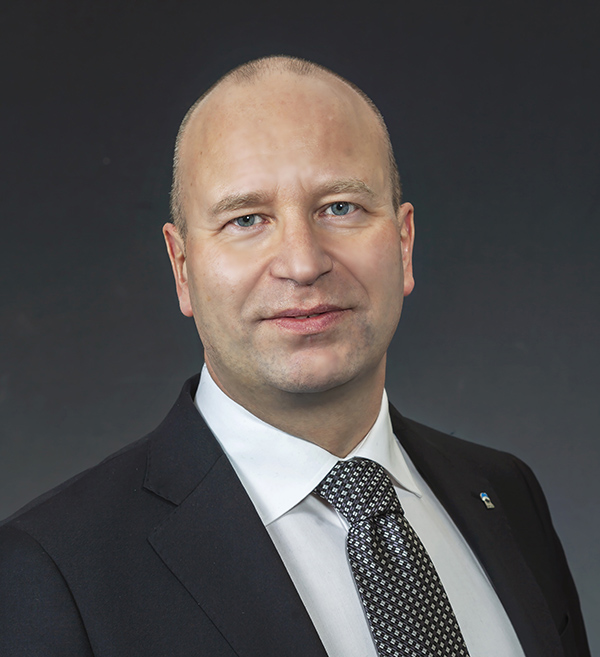
12 Mar 2026
We are pleased to introduce Pär Jonsén as one of the speakers at the WISE Dialogue conference on March 17–18.
11 Mar 2026
WISE Invited Professor Advances Sustainable Nanomaterials for Next Generation Electronics and Energy Technologies.
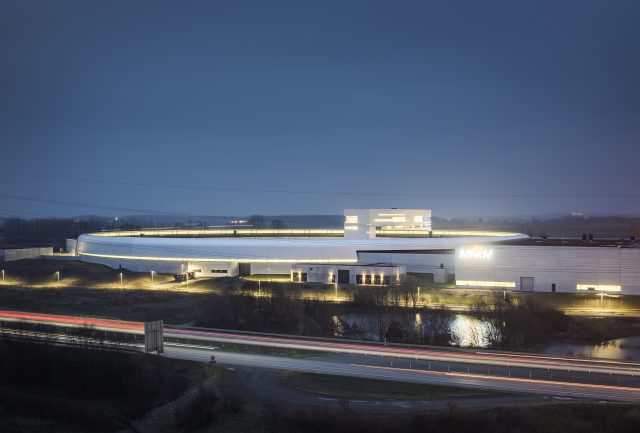
10 Mar 2026
“The WISE initiative is presently the most important initiative in materials science in Sweden. It is both exciting and imperative that MAX IV supports the programme by actively engaging in its activities. The WISE Dialogue is a great opportunity to learn about the latest developments and explore opportunities for deeper collaboration”, says Olof Karis, Director of MAX IV.
6 Mar 2026
“I’m very honored to receive the Göran Gustafsson Prize. For me, it recognizes the work my research group has carried out over many years to understand and control doping in organic semiconductors. I hope it will help us push this research further and develop new types of soft, flexible electronics” says Simone Fabiano.
6 Mar 2026
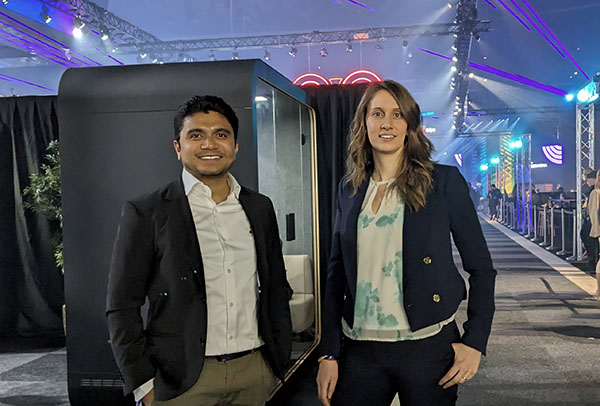
We are happy to introduce Erica Zeglio, Assistant Professor and WISE Fellow & Dr. Biswanath Das, two of our speakers at the WISE Dialogue conference, March 17-18.
2 Mar 2026
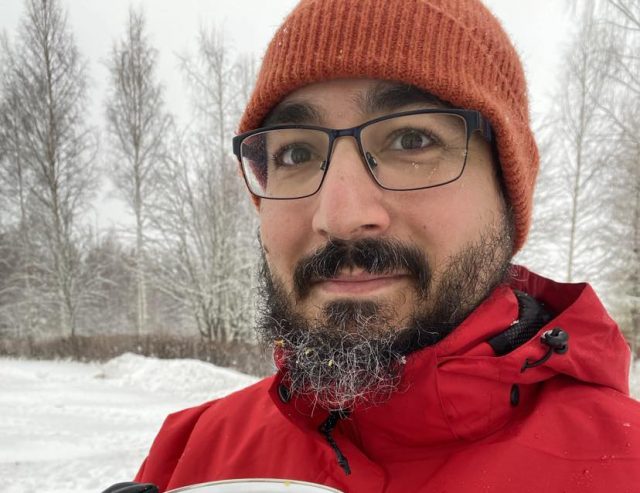
We are happy to introduce Francisco Panayo, one of our speakers at the WISE Dialogue conference, March 17-18. Francisco holds a key role as R&D Manager at Hitachi Energy.
27 Feb 2026
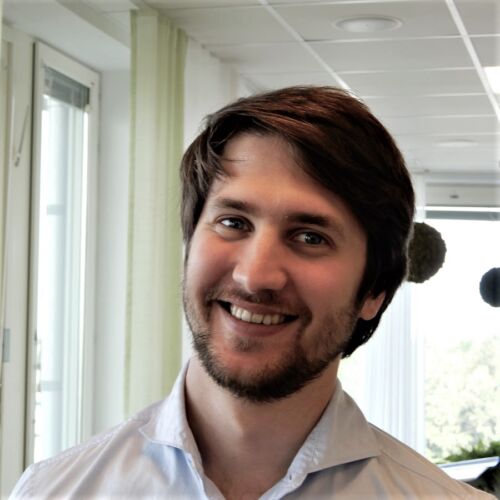
“Over the past few decades, computational modeling has gained widespread recognition in both academia and industry as an effective tool for accelerating materials design and deepening our understanding of materials behavior” says Carl-Magnus Lancelot, Technical Sales and Support Engineer at Thermo-Calc Software, responsible for customers in the UK and the Nordics.
26 Feb 2026
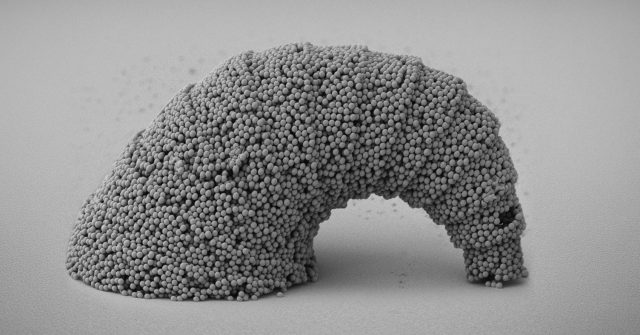
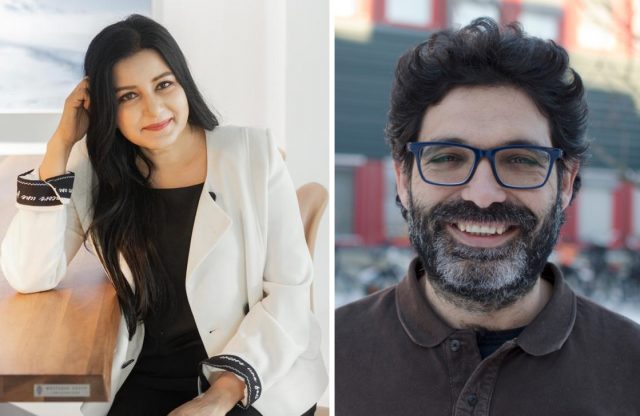
Until recently, most advanced 3D micro- and nanofabrication techniques were limited to polymers, restricting the range of materials that could be used. Now, an international research team has published a landmark study in the journal Nature demonstrating a state-of-the-art fabrication technique that overcomes these long-standing material limitations.
25 Feb 2026
Two cutting-edge research projects at Luleå University of Technology have been awarded Marie Skłodowska-Curie Postdoctoral Fellowships under the EU’s Horizon Europe programme.
23 Feb 2026
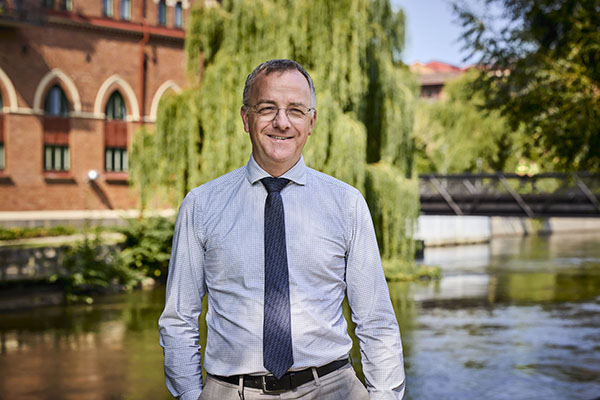
We are pleased to introduce Peter Dahlén as one of our speakers at the WISE Dialogue conference on March 17–18.

13 Feb 2026
The call text for the WISE Academic Project Call 2026–2027 (WISE-ap3) is now available. The application portal opens on 1 December 2026.
13 Feb 2026
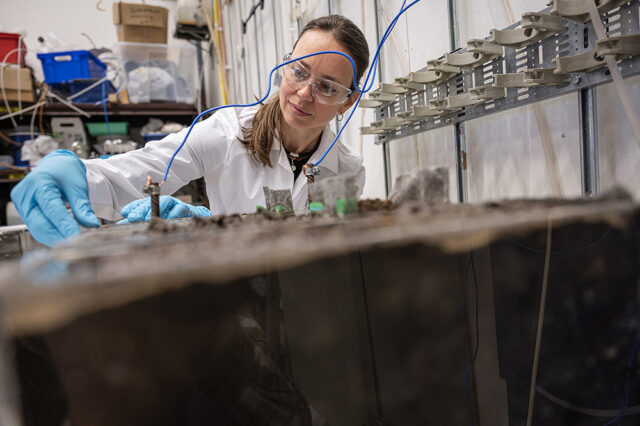
WISE is introducing the WISE Research Master’s Thesis, a new research preparatory initiative designed for Master’s students in engineering and natural sciences.
Picture credit: Luleå University of Technology
11 Feb 2026
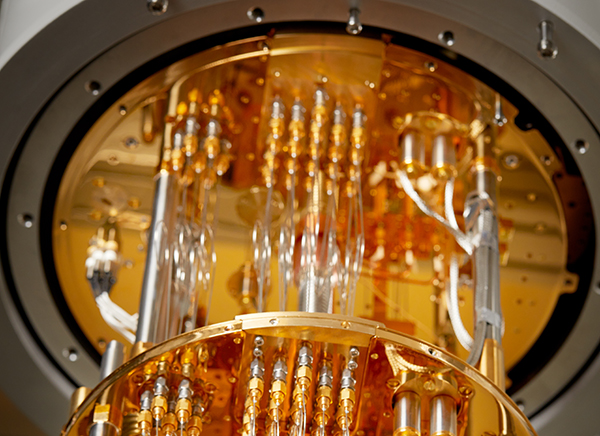
Eight collaborative research projects joining quantum technology and materials science have been approved funding. Together, the projects receive 1 MSEK each.
2 Feb 2026
WASP and WISE hereby announce the WASP–WISE 2026 call for NEST 2 (Novelty, Excellence, Synergy, and Teams) is open.
27 Jan 2026
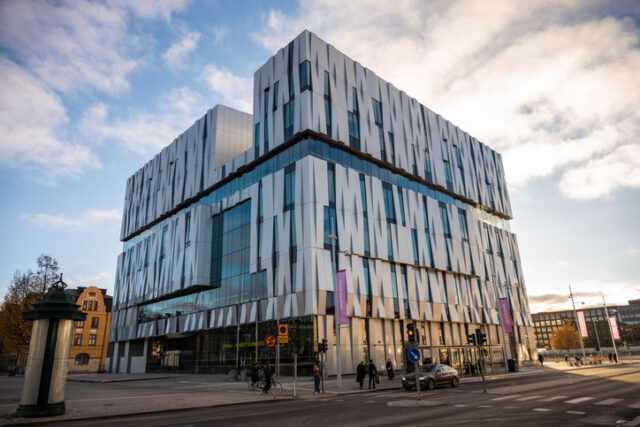
WISE Dialogue 2026 is approaching – the major annual gathering for the entire WISE community!

20 Jan 2026
Don’t miss the chance to hear from two internationally renowned researchers in an upcoming digital seminar on February 5, 2026, from 3-4 pm CET.

16 Jan 2026
WISE is preparing its 3rd Academic Project Call (WISE-ap3) to fund PhD and postdoc research advancing sustainable, eco-friendly materials and manufacturing processes.
22 Dec 2025
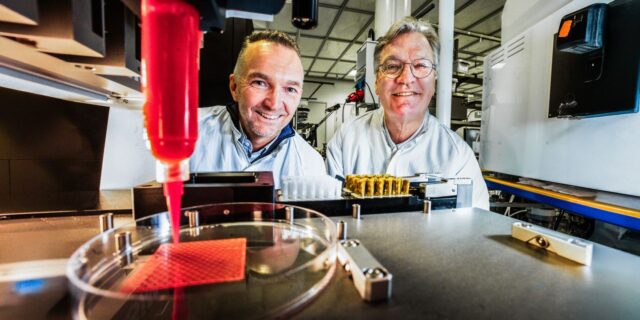
“Sustainability is at the center of everything we do. Our research focuses on some of the greatest challenges of our time – such as how we extract raw materials, use energy, deal with emissions and reduce waste.”
Photo credit: Thor Balkhed, Linköping University
16 Dec 2025
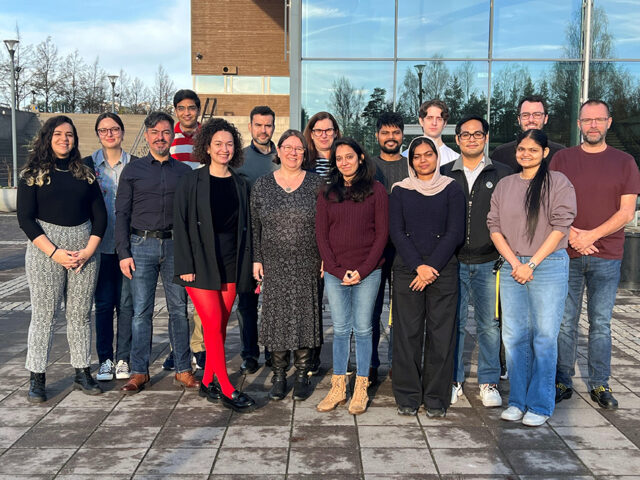
Research on organic solar cells at Karlstad University is advancing with support from WISE.
15 Dec 2025
On February 2, 2026, WASP and WISE will launch a joint call for proposals for five-year NEST projects.
11 Dec 2025
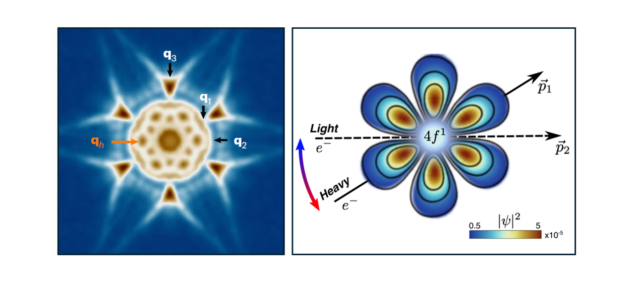
“Ce-based systems continues to surprise us in their unique physical and chemical properties, and the current discovery certainly should be placed under WISE thematic area Discovery, with hope to become a key ingredient in applications for sustainability”, says Prof. Eriksson from Uppsala University and WISE co-director.
5 Dec 2025
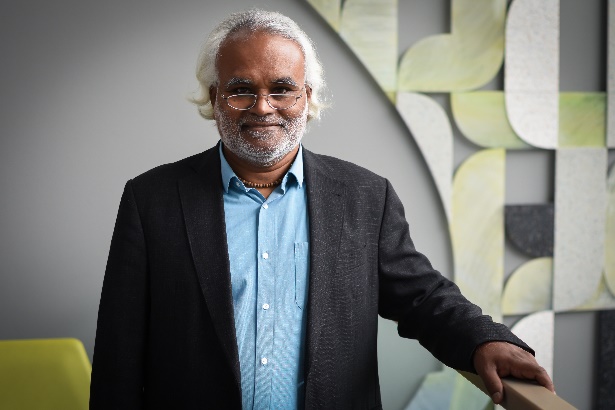
“For us it is important to work with sustainable materials and make sure that we manufacture them employing low-energy processes. We think from the beginning what elements we are going to use -their availability, price, recycling possibilities, etc.”, says Professor Thelakkat.
28 Nov 2025
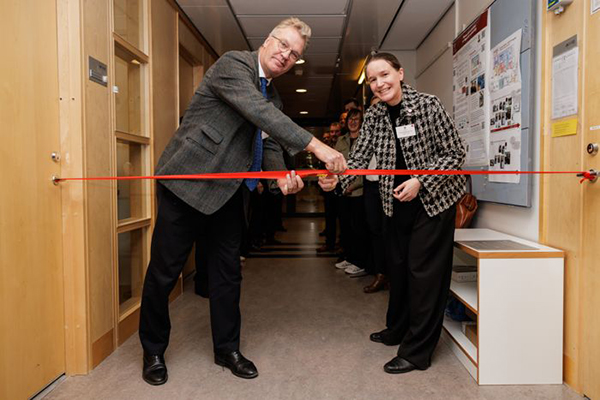
The Uppsala node of the WISE Additive Research and Technology Platform (RTP) was officially inaugurated this week, marking a significant step in strengthening Sweden’s national research capacity in additive manufacturing.
Picture credit: Tobias Sterner, Bildbyrån
25 Nov 2025
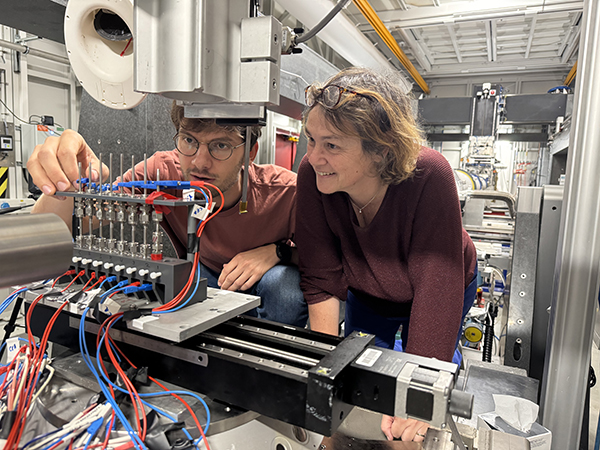
Energy storage is one of the great scientific challenges of our time. To move toward a more sustainable society, we need batteries that are not only efficient but also environmentally responsible.
20 Nov 2025
Join us for the 7th Machine Learning Meets Materials Science Seminar, part of the WASP–WISE initiative! Mark your calendars: November 26 at 10:00!

17 Nov 2025
Uppsala University’s WISE Symposium series will spotlight cutting-edge sustainability research on November 26, 2025, with a webinar dedicated to the environmental aspects of additive manufacturing.

12 Nov 2025
On December 4, 2025, from 15:00 to 16:00, Uppsala University will host a WISE Guest Professor Lecture featuring Professor Julie Beth Zimmerman and Dr. Sandrine Lyonnard, both WISE Guest Professors at the university.
11 Nov 2025
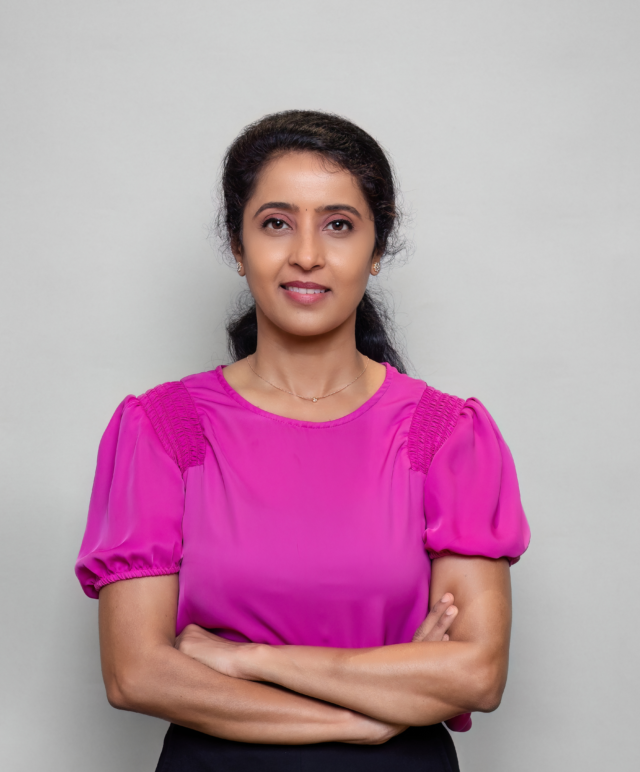
“This talk explores the emerging frontier of biotechnology in enabling greener battery technologies, specifically through biohydrometallurgy and bio-based materials, ” says Prof. Srinivasan Nanyang from the Technological University (NTU), Singapore.
10 Nov 2025
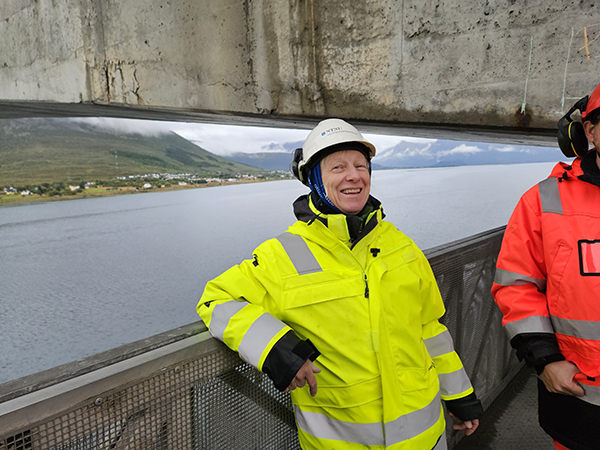
As part of WISE’s Guest Professor (GP) program — one of our key initiatives to foster international collaboration and enrich student learning — we are delighted to welcome Professor Mette Rica Geiker from the Norwegian University of Science and Technology (NTNU) to Chalmers University of Technology.
Picture by Ann-Marie Thoresen at Statens Vegvesen
6 Nov 2025
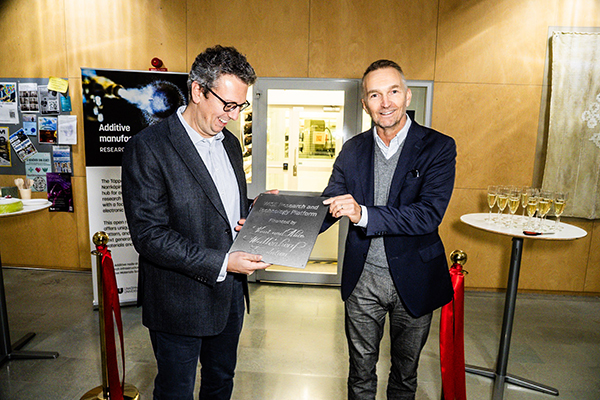
The inauguration of the WISE Additive node at Linköping University (LiU) took place this week, marking an important milestone in the development of Sweden’s research infrastructure for additive manufacturing and soft electronics for sustainability.
Picture by Thor Balkhed, Linköping University